History
Styles of the past: the powdered wig, the Gibson girl, the queue. 51 hairstyles on EveryHairstyle so far.
Hairstyles of the past show the tastes, rules and technology of their age. Ancient Egyptians wore wigs over shaved heads; Roman women built crests of curls; European men of the 17th and 18th centuries wore periwigs and women the fontange and the pouf; Qing China imposed the queue; and the 1920s brought the bob and the Eton crop. Many old styles return, renamed, decades later.
Courts and empires
The Fonseca bust in Rome shows the tall crest of curls of a woman of about AD 90 to 100. In 17th-century Europe, men of fashion wore a lovelock, a long tress over the left shoulder, and then periwigs. At Versailles the fontange rose around 1680 and the pouf in the 1770s. In Qing China, from 1645, Han men were made to wear the Manchu queue, a rule lifted only after 1912.
Revolutions in hair
After the French Revolution of 1789, wigs and powder gave way to short natural styles such as the Titus cut, named after the Roman emperor. In the 1920s many women cut their hair into bobs and the even shorter Eton crop, set with marcel waves. In mid-19th-century Scotland women wore their hair in a gathered knot called a cockernonnie. Hairstyles of the past live on in revivals, costume drama and the work of historians who recreate them.
Famous history hairstyles
 FontangeThe tall headdress of about 1680 to 1710
 PoufThe towering style of the 1770s
 QueueImposed in Qing China from 1645
 LovelockA tress worn over the heart, late 1500s and 1600s
 Roman hairstylesCurls and braids of ancient RomeEton cropThe shortest cut of the 1920s
 Titus cutA short style after the Revolution
 CockernonnieA 19th-century Scottish knot
Further reading
 🇬🇧 United KingdomSnood
A net or cloth bag that holds hair at the back of the head.Wrapped · Any hair · 1590
 🇨🇳 China and 1 moreBuyao
A Chinese hairpin with dangling ornaments that sway when the wearer moves.Adorned · Any hair
 🇮🇳 IndiaHead shaving in Hinduism
A ritual act of head shaving in Hinduism for purification, mourning, and devotion.Shaved · Any hair
 🇮🇳 IndiaTonsure
A religious practice of cutting or shaving scalp hair to signal devotion, humility, or clerical status.Shaved · Any hair
 WorldLong hair
Head hair grown to a considerable length, often past the shoulders.Styled · Any hair
 WorldPayot
Sidelocks worn by Orthodox Jewish men based on religious law.Styled · Curly hair
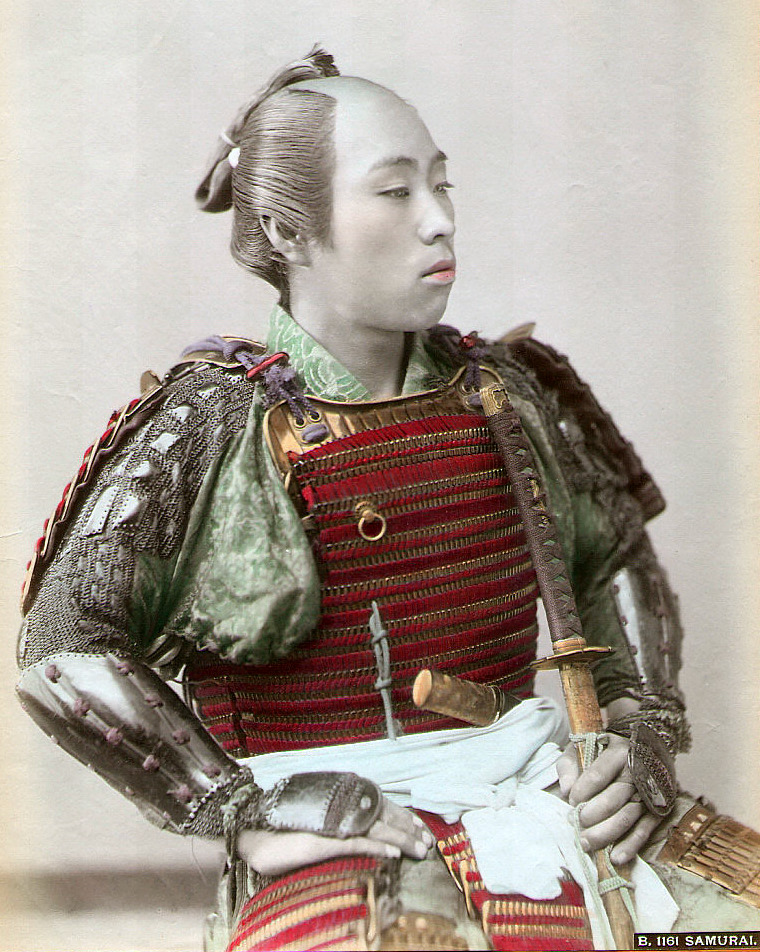 🇯🇵 JapanChonmage
Traditional Japanese topknot worn by men, historically by samurai and now by sumo wrestlers.Updo · Straight hair · 1603
 🇵🇱 Poland and 1 morePolish plait
A matted hair formation viewed as both a medical condition and a folk amulet in Eastern Europe.Styled · Coily and kinky hair · 1600
 🇪🇬 EgyptSidelock of youth
Ancient Egyptian braided side hair worn by royal children.Braid · Any hair
 🇯🇵 JapanNihongami
Traditional Japanese hairstyles characterized by elaborate updos, side wings, and wax styling.Updo · Straight hair
WorldHistorical Christian hairstyles
A survey of hair practices in Christianity from antiquity to the early modern period.Shaved · Any hair
Photo credits on this page
The small pictures above come from Wikimedia Commons under free licences. Some are cropped to fit.
- Long hair: Adam Jones Adam63, CC BY-SA 3.0, source
- Tonsure: Pietro Perugino, Public domain, source
- Fontange: Francesco Solimena, Public domain, source
- Sidelock of youth: Unknown artist, CC BY-SA 3.0, source
- Snood: Adolph von Menzel, Public domain, source
- Head shaving in Hinduism: Napoleon is back, CC0, source
- Buyao: anonymous, Public domain, source
- Queue: Lai Afong, Public domain, source
- Payot: Mark Neyman, CC BY-SA 3.0, source
- Pouf: After Jean-Baptiste André Gautier-Dagoty, Public domain, source
- Nihongami: 都新聞社 Miyako Shinbun, Public domain, source
- Lovelock: Sir Anthony Van Dyck (1599 - 1641) Details on Google Art Project, Public domain, source
- Titus cut: Adrien Pierre François Godefroy, Public domain, source
- Polish plait: Adrian Grycuk, CC BY-SA 3.0 pl, source
- Cockernonnie: Arnold Genthe, Public domain, source
- Roman hairstyles: Colchester Museums, Caroline McDonald, 2004-06-02 14:47:52, CC BY-SA 4.0, source
- Chonmage: not listed, Public domain, source