Eton crop
A very short, slicked-down women's cut from the 1920s.
The Eton crop is a very short hairstyle for women that became popular in the 1920s. It features hair slicked down close to the head and was worn to complement cloche hats. Figures like Josephine Baker helped make the style mainstream during this era.
- Popular in the 1920s to suit cloche hats.
- Named after Eton College schoolboys' hair.
- Worn by Josephine Baker and other stars.
- Adopted by masculine lesbians in England.
- Criticised by Margot Asquith in 1927.
What it is
The Eton crop is a very short hairstyle designed for women. The hair is cut close to the head and styled to lie flat and slicked down. This look creates a smooth silhouette that was considered ideal for wearing under the tight-fitting cloche hats fashionable in the 1920s. It represents a significant shift from longer styles to a more boyish aesthetic.
Where it comes from
Shorter cuts began appearing in the 1910s with figures like Irene Castle and Coco Chanel. By the mid-1920s, the trend had become mainstream. The Eton crop specifically gained popularity because it suited the shape of cloche hats. Josephine Baker was among the notable women who wore this style. The name comes from its resemblance to the haircuts worn by schoolboys at Eton College.
What it means
The style marked a transition in hairdressing and social norms. It was adopted by some masculine lesbians in England as part of their subcultural identity. However, it also faced criticism from traditionalists. Margot Asquith mocked women with the cut, describing them negatively at royal events. The style signified modernity but also provoked debate about gender presentation.
How it is made
The hair is cut very short all over the head. It is then styled using products to keep it slicked down and flat against the scalp. The goal is a smooth, neat appearance without volume or waves. This method ensures the hair fits comfortably under close-fitting hats.
Who and what it suits
This style requires very short hair length. It is suitable for any hair texture since it is slicked down. The cut frames the face closely and exposes the neck. It was historically worn by women seeking a modern, streamlined look.
Versions
Related styles from the period include the soft shingle. Some women chose to let their hair grow instead of adopting the crop. The Eton crop is distinct for its extreme shortness and flat styling compared to other bobs of the era.
In culture
Critics noted the transition in society portraits, mentioning the Eton crop alongside other emerging styles. It appeared in British family photographs from the early twentieth century. The cut remains a symbol of 1920s fashion and the changing role of women in public life.
Questions people ask about Eton crop
Why is it called the Eton crop?
The name derives from its similarity to the hairstyle allegedly popular with schoolboys at Eton College. It reflects the boyish, short aesthetic that defined the cut.
Who made the Eton crop famous?
Josephine Baker was a key figure who wore the style. Earlier influencers of short hair included Irene Castle, Coco Chanel, and Polaire in the 1910s.
What type of hat suits this hairstyle?
The Eton crop was ideal for showcasing the shape of cloche hats. These tight-fitting hats were mainstream fashion in the mid-1920s.
Was the style controversial?
Yes. Margot Asquith derided women with the cut in 1927. It was also associated with masculine lesbians in England, which challenged traditional gender norms.
Good reading and sources
The facts on this page come from the Wikipedia article "Eton crop", written by its contributors and used under the CC BY-SA 4.0 licence, and from its Wikidata record (CC0). EveryHairstyle rewrote the text in its own words, with AI assistance, and compares every page with the article to make sure no passage is copied. It may be reused under the same CC BY-SA 4.0 licence with a link back.
It may contain mistakes, and figures change over time. Nothing here is investment or buying advice. If something is wrong, tell us. Last refreshed 2026-11-15.
Like Eton crop
All cuts 🇬🇧 United Kingdom and 2 moreUndercut
Long top hair with shaved or buzzed sides and back.Cut · Any hair · 1910
 WorldShort hair
A general category for haircuts kept above the shoulders or chin.Cut · Any hair · 1920
 🇷🇸 Serbia and 4 moreBuzz cut
A very short, uniform haircut made with clippers.Cut · Any hair · 1890
 WorldBangs
Strands of hair cut to cover the forehead and fall over the eyebrows.Cut · Any hair · 1880
More from Josephine Baker
All of them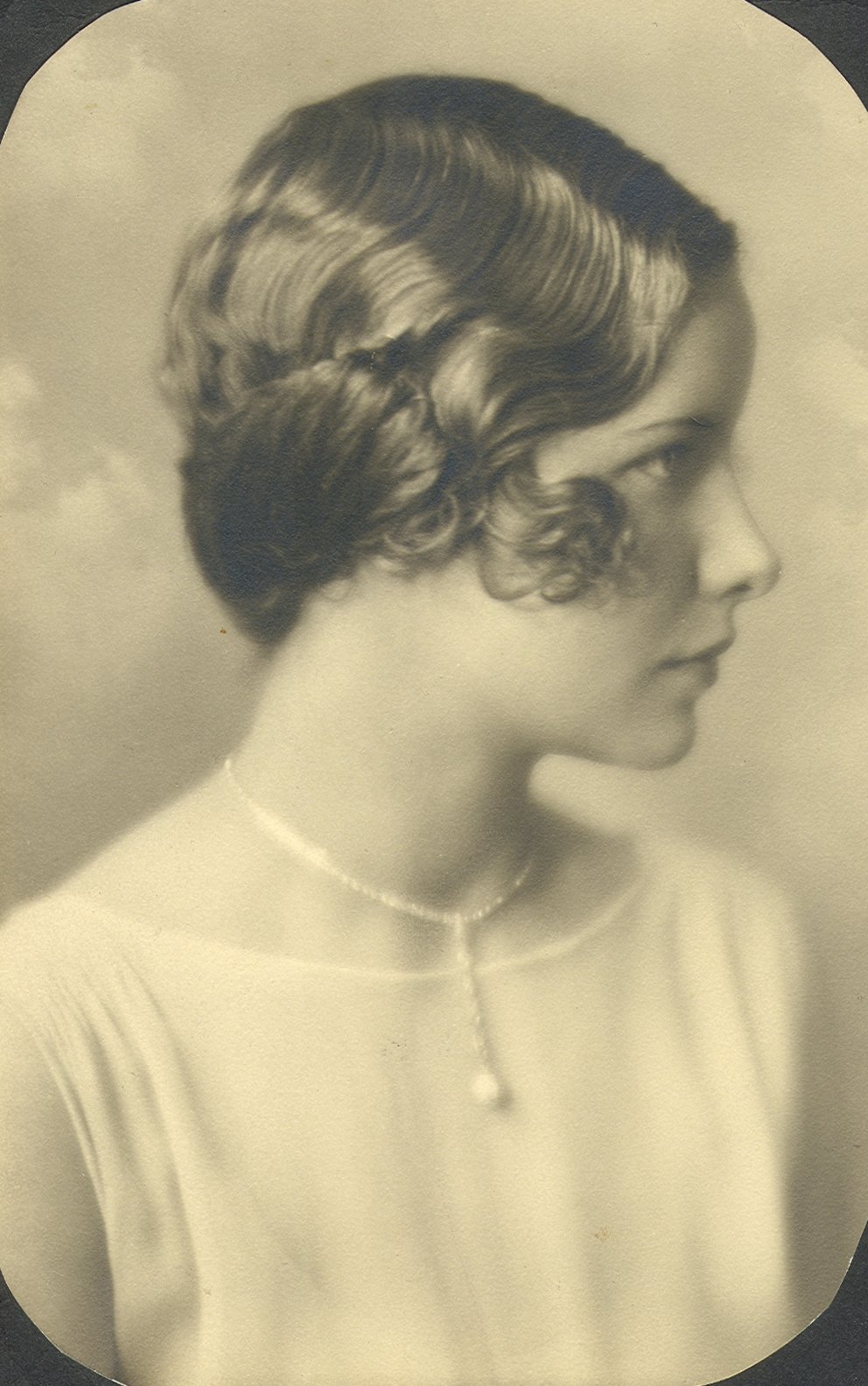 🇺🇸 United StatesFinger wave
S-shaped waves set by hand with comb and gelStyled · Straight hair · 1920
 WorldMarcelling
A heat-styled curl technique from the 1870s.Curls · Any hair · 1872
 🇺🇸 United StatesLaid edges
A style arranging fine hair at the hairline into flat decorative waves or swirls.Styled · Fine hair · 1990
 WorldKiss curl
A single lock of hair curled and flattened against the cheek or forehead.Curls · Curly hair