
Titus cut
Short layered cut with curls from late 18th-century France
The Titus cut is a short, layered hairstyle with curls that became popular in France and England at the end of the 18th century. It replaced elaborate wigs as a simple classical style linked to the French Revolution and was worn by both men and women.
- Popularized in 1791 by actor François-Joseph Talma
- Worn by both men and women in France and England
- Associated with the French Revolution and anti-aristocratic sentiment
- Known as coiffure à la guillotine in England
- Fallen out of fashion by the 1810s
What it is
The Titus cut features short hair that is layered and typically arranged in curls. It represents a significant shift from the large, elaborate wigs and hairstyles that dominated the previous quarter of the 18th century. This style was worn by both men and women, marking it as a unisex fashion choice of its time. The look is defined by its simplicity and classical aesthetic, avoiding the excesses associated with aristocratic grooming habits of the era.
Where it comes from
This hairstyle gained prominence in 1791 in Paris. French actor François-Joseph Talma is credited with popularizing it after playing the role of Titus in a production of Voltaire's Brutus. The style spread quickly from France to England. By 1802, reports indicated that more than half of elegant women wore their hair or wigs in this manner. It remained fashionable into the early 19th century but declined in popularity by the 1810s.
What it means
The Titus cut served as a political and social statement during the French Revolution. Its simple, classical design contrasted sharply with the ornate wigs of the aristocracy, aligning wearers with revolutionary ideals. In England, it was sometimes called coiffure à la guillotine, referencing the beheadings of the revolution. Another name, coiffure à la victime or Haircut of the Victim, further tied the style to the turbulent political events of the period.
How it is made
The style involves cutting the hair short and adding layers to create volume and shape. The hair is then styled to form curls, which are a defining characteristic of the look. While originally a men's cut, women adopted it by cutting their natural hair short or wearing wigs styled in the same short, curled manner. The focus is on a neat, classical appearance rather than complex structural styling.
Who and what it suits
The Titus cut is suitable for any hair type, though it is typically styled with curls. It was worn by both men and women, indicating its versatility across genders. The short length makes it a practical option for those seeking a departure from long, high-maintenance styles. It suits individuals looking for a historical or classical aesthetic rooted in late 18th-century fashion.
Versions
The style is known by several names that reflect its cultural context. In France, it was called coiffure à la Titus or coiffure à la victime. In England, it was often referred to as coiffure à la guillotine. These variations highlight the different ways the style was perceived in each country, either through its theatrical origins or its association with revolutionary violence.


Questions people ask about Titus cut
Who made the Titus cut famous?
The French actor François-Joseph Talma popularized the style in 1791. He wore it while playing the role of Titus in a Parisian production of Voltaire's play Brutus, which helped bring the short, curly look into fashion.
Why was it called coiffure à la guillotine?
In England, the style was often called coiffure à la guillotine. This name referenced the beheadings that took place during the French Revolution, linking the short haircut to the political turmoil and executions of the era.
Did only men wear the Titus cut?
No, although it started as a men's style, women quickly adopted it. By 1802, reports stated that more than half of elegant women wore their hair or wigs in the Titus style, making it a popular unisex fashion.
Good reading and sources
The facts on this page come from the Wikipedia article "Titus cut", written by its contributors and used under the CC BY-SA 4.0 licence, and from its Wikidata record (CC0). EveryHairstyle rewrote the text in its own words, with AI assistance, and compares every page with the article to make sure no passage is copied. It may be reused under the same CC BY-SA 4.0 licence with a link back.
It may contain mistakes, and figures change over time. Nothing here is investment or buying advice. If something is wrong, tell us. Last refreshed 2026-11-15.
Like Titus cut
All cuts WorldBangs
Strands of hair cut to cover the forehead and fall over the eyebrows.Cut · Any hair · 1880
 WorldShort hair
A general category for haircuts kept above the shoulders or chin.Cut · Any hair · 1920
 🇬🇧 United Kingdom and 2 moreUndercut
Long top hair with shaved or buzzed sides and back.Cut · Any hair · 1910
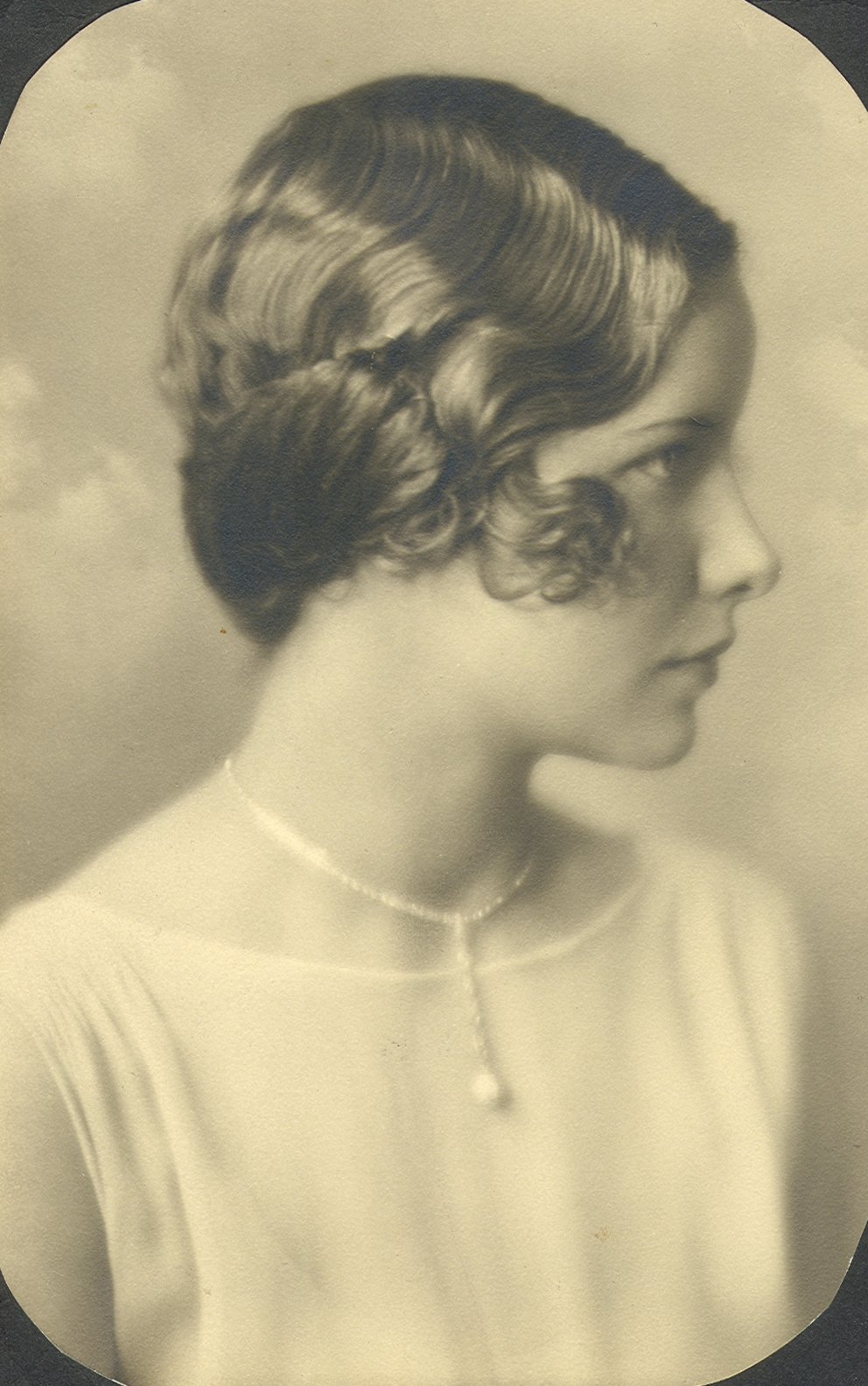 🇺🇸 United StatesFinger wave
S-shaped waves set by hand with comb and gelStyled · Straight hair · 1920