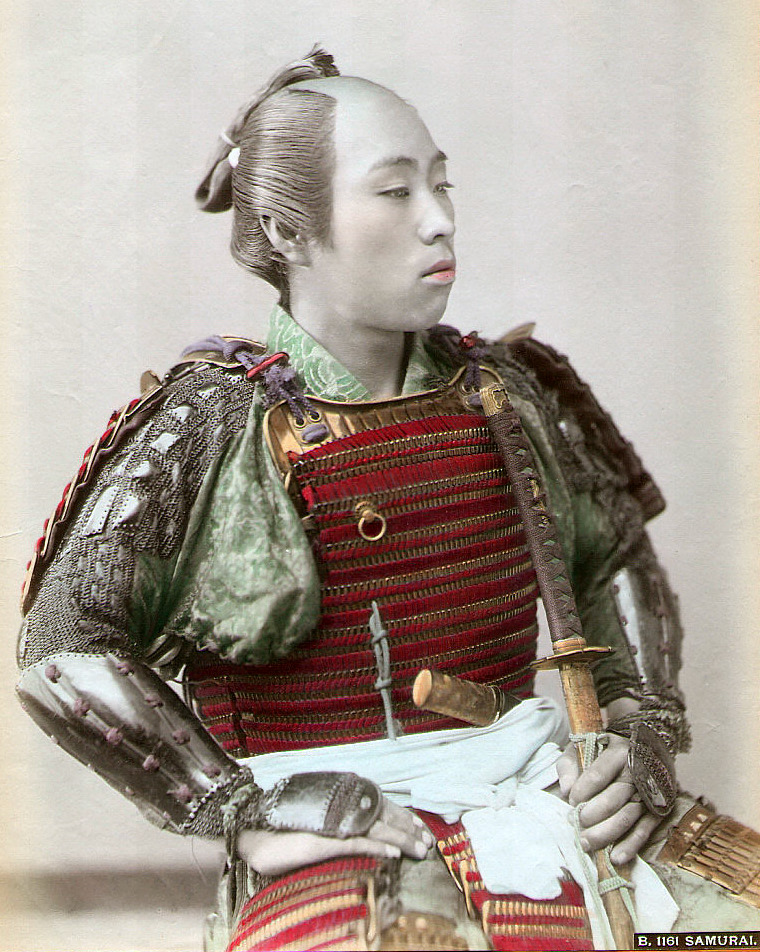
Chonmage
Traditional Japanese topknot worn by men, historically by samurai and now by sumo wrestlers.
The chonmage is a traditional Japanese male hairstyle featuring a shaved pate and a folded topknot. It originated in the Heian period for helmet stability and became a status symbol during the Edo era before being banned in 1871. Today, it is preserved exclusively by sumo wrestlers and kabuki actors.
- Originated in the Heian period to secure aristocratic crowns.
- Became mandatory for all Japanese men during the Edo period.
- Abolished in 1871 by the Meiji government's modernization edicts.
- Now worn exclusively by sumo wrestlers and kabuki actors.
- Cutting the topknot is the central ritual of a sumo wrestler's retirement.
What it is
The chonmage is a distinct male hairstyle from Japan characterized by a shaved scalp and a gathered topknot. The front and sides of the head are shaved or thinned, while the remaining hair at the crown is oiled, waxed, and tied into a small tail that is folded flat onto the head. This creates a smooth, rounded shape on the upper skull. Historically, this style served a practical purpose for warriors but evolved into a marker of social rank. In contemporary times, the look is maintained almost entirely within the world of professional sumo wrestling and traditional theatre.
Where it comes from
The practice began in the Heian period when aristocrats tied their hair to secure heavy crowns. By the late Warring States period, attitudes shifted toward shaving the head as a sign of peace and civilization after centuries of conflict. During the Edo period, the shaven pate became mandatory for all men, particularly samurai, who used the style to hold their kabuto helmets in battle. The specific knot style indicated social standing. The Meiji Restoration ended the tradition in 1871 with the Dampatsurei Edict, which forced upper-class men to cut their hair short to modernize Japan's appearance.
What it means
Originally functional for helmet wear, the chonmage became a powerful symbol of identity and status. For samurai, it denoted military class and loyalty. For commoners, wearing it was a legal requirement until the mid-Edo period. The style also carried political weight; Japanese commanders forced Koreans to adopt it during invasions to erase local identity. In modern sumo, the topknot represents the wrestler's connection to tradition. Cutting it off is the central act of retirement, symbolizing the end of one's career and return to ordinary life.
How it is made
To create a traditional chonmage, the front and sides of the head are shaved completely. The remaining hair at the crown is treated with oil and wax to make it pliable. The hair is then gathered and tied into a small tail, which is folded over onto the top of the head to form the knot. Modern sumo wrestlers may not shave the entire pate but instead thin the area or shave the crown center, known as nakazori, to help the knot sit neatly. Specialist hairdressers called tokoyama perform these cuts and preparations every few months.
Versions
The basic chonmage varies by social rank. Samurai knots were more pronounced than those of artisans or merchants. Ronin, or masterless samurai, were often exempt from shaving their heads, making them easily identifiable. In sumo, higher-ranked wrestlers called sekitori wear an elaborate version called the oichō, where the knot is splayed out to resemble a ginkgo leaf. Most wrestlers only wear this complex style during major tournaments or their final retirement ceremony.
In culture
The chonmage is deeply embedded in Japanese history and popular culture. It is instantly recognized as the signature look of the samurai era. In modern Japan, it is preserved by sumo wrestlers and kabuki actors, keeping the aesthetic alive in sports and performance arts. The style has influenced perceptions of Asian masculinity and colonialism, particularly regarding its forced adoption in Korea. It remains a potent visual symbol of Japanese heritage, discipline, and historical transition.


Questions people ask about Chonmage
Who wears the chonmage today?
Only professional sumo wrestlers and kabuki actors wear the chonmage in modern Japan. The Japan Sumo Association employs specialist hairdressers called tokoyama to maintain the style for wrestlers.
Why did Japanese men start shaving their heads?
Initially, it helped secure helmets in battle. Later, during the Edo period, shaving the head became a cultural shift away from the 'barbaric' full-haired look of the war-torn Warring States period, symbolizing peace and civilization.
What is the oichō hairstyle?
The oichō is an elaborate version of the topknot worn by high-ranking sumo wrestlers called sekitori. The knot is splayed out to resemble a ginkgo leaf and is typically worn during major tournaments or retirement ceremonies.
How is the chonmage different from other topknots?
Unlike many global topknots, the chonmage requires a shaved pate or significantly thinned crown. The hair is oiled and waxed heavily to allow it to be folded flat onto the head rather than just tied up.
Good reading and sources
The facts on this page come from the Wikipedia article "Chonmage", written by its contributors and used under the CC BY-SA 4.0 licence, and from its Wikidata record (CC0). EveryHairstyle rewrote the text in its own words, with AI assistance, and compares every page with the article to make sure no passage is copied. It may be reused under the same CC BY-SA 4.0 licence with a link back.
It may contain mistakes, and figures change over time. Nothing here is investment or buying advice. If something is wrong, tell us. Last refreshed 2026-11-15.
Like Chonmage
All buns and updos 🇺🇸 United StatesCrew cut
A short, graduated men's haircut with upright top hair.Cut · Thick hair · 1920
 🇩🇪 GermanySuebian knot
A historical male bun worn by the Suebi and other Germanic tribes to signal status and identity.Updo · Straight hair
 🇯🇵 JapanNihongami
Traditional Japanese hairstyles characterized by elaborate updos, side wings, and wax styling.Updo · Straight hair
 🇨🇳 ChinaQueue
A historical hairstyle featuring a shaved forehead and a long braided tail of hair.Braid · 1645