Historical Christian hairstyles
A survey of hair practices in Christianity from antiquity to the early modern period.
Christian hair traditions shifted across eras and regions, reflecting social status, denomination, and religious role. Early depictions show varied lengths and veils, while later church councils enforced specific cuts for clergy to distinguish them from laypeople.
- Early Christian art shows men with short hair and women with curled braids.
- Church councils enforced hair rules for clergy to ensure uniformity.
- The tonsure involved shaving part of the scalp to mark religious dedication.
- Women often wore veils covering their hair as a sign of modesty.
- Byzantine mosaics depict leaders with medium-length hair cut straight across.
What it is
Christian hair styles have changed significantly over centuries, influenced by local culture, class, and church rules. In early art, men often wore short hair while women wore curled braids or hair twined around the head. Clergy and monks had distinct looks, such as the tonsure, which involved shaving parts of the scalp. Women frequently covered their hair with veils that fell to the shoulders. These visual cues helped identify a person’s role within the faith community and their social standing.
Where it comes from
Before 500 AD, Christians followed contemporary fashions, as seen in catacomb paintings. Men kept short hair, and women styled curls and braids. Byzantine art showed medium-length hair cut squarely across the forehead. During the Middle Ages, invading tribes let their hair grow freely. Later, church councils regulated clerical hair, forbidding long beards or unkempt locks. By the twelfth century, some styles included shaved tops with long curls behind. In the early modern period, clergy adopted wigs but kept the tonsure area bare.
What it means
Hair served as a marker of identity and obedience. For clergy, specific cuts like the tonsure distinguished them from laypeople and signaled their commitment to church discipline. Councils used hair regulations to enforce conformity, sometimes using force to cut hair that violated rules. For women, veiling was a sign of modesty and piety. The style communicated one’s place in the religious hierarchy and adherence to divine law.
How it is made
Styles were achieved through cutting, shaving, braiding, and covering. The tonsure involved shaving the crown or part of the head. Women twisted hair around the brow or arranged it in tiers. Veils were draped over the head to cover the hair completely. Men might wear wigs in the early modern era, leaving the tonsure spot exposed. Councils mandated specific lengths, such as exposing the ears or keeping hair short.
Versions
Variations included the full tonsure versus partial versions, different wig styles for priests, and regional differences in veiling. Barbarian styles featured long, unrestrained hair, contrasting with the regulated cuts of the clergy. Some monks grew beards, while others were required to shave them. Women’s styles ranged from simple braids to elaborate tiered curls adorned with jewels in imperial contexts.
In culture
Christian iconography established lasting images of Jesus with long braided hair parted in the middle and the Virgin Mary with a veil. These depictions influenced artistic representations for centuries. Church councils played a major role in shaping public perception of holy living through appearance. The regulation of hair reflected broader societal controls over morality and order.
Questions people ask about Historical Christian hairstyles
What did early Christian men typically wear?
Men usually wore short hair before 500 AD, following the fashion of the time. Later periods saw variations, including medium-length cuts or the adoption of wigs by clergy, though the tonsure remained a key identifier for religious figures.
Why did church councils regulate hair?
Councils regulated hair to distinguish clergy from laypeople and to enforce discipline. Rules prevented unkempt appearances and ensured that religious officials adhered to standards of modesty and order, sometimes using physical force to correct violations.
How were women's hair styles depicted in early art?
Women are often shown with braids curled into tiers or hair twined around the head. They frequently wore veils that covered the hair and fell to the shoulders, symbolizing modesty and piety in accordance with cultural and religious norms.
Good reading and sources
The facts on this page come from the Wikipedia article "Historical Christian hairstyles", written by its contributors and used under the CC BY-SA 4.0 licence, and from its Wikidata record (CC0). EveryHairstyle rewrote the text in its own words, with AI assistance, and compares every page with the article to make sure no passage is copied. It may be reused under the same CC BY-SA 4.0 licence with a link back.
It may contain mistakes, and figures change over time. Nothing here is investment or buying advice. If something is wrong, tell us. Last refreshed 2026-11-15.
Like Historical Christian hairstyles
All shaved and partly shaved 🇪🇬 Egypt and 4 moreWig
Artificial head covering made from human, animal or synthetic hair.Wrapped · Any hair
 🇬🇧 United KingdomSnood
A net or cloth bag that holds hair at the back of the head.Wrapped · Any hair · 1590
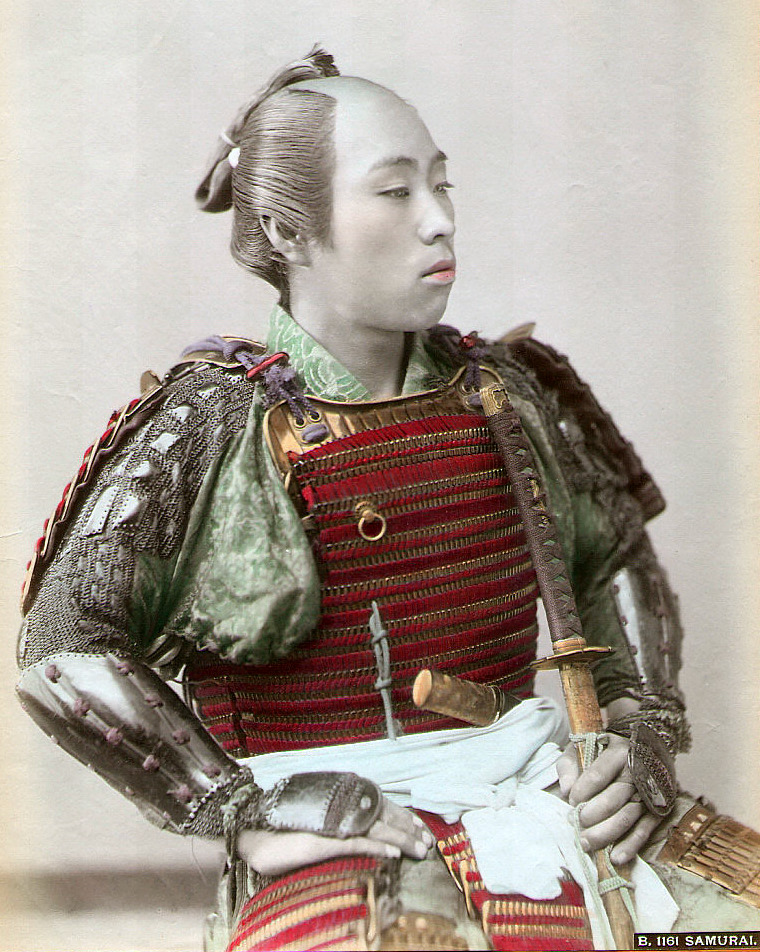 🇯🇵 JapanChonmage
Traditional Japanese topknot worn by men, historically by samurai and now by sumo wrestlers.Updo · Straight hair · 1603
 🇮🇳 India and 3 moreDastar
A turban worn by Sikhs to cover uncut hair and signify faith.Wrapped · Any hair · 1699