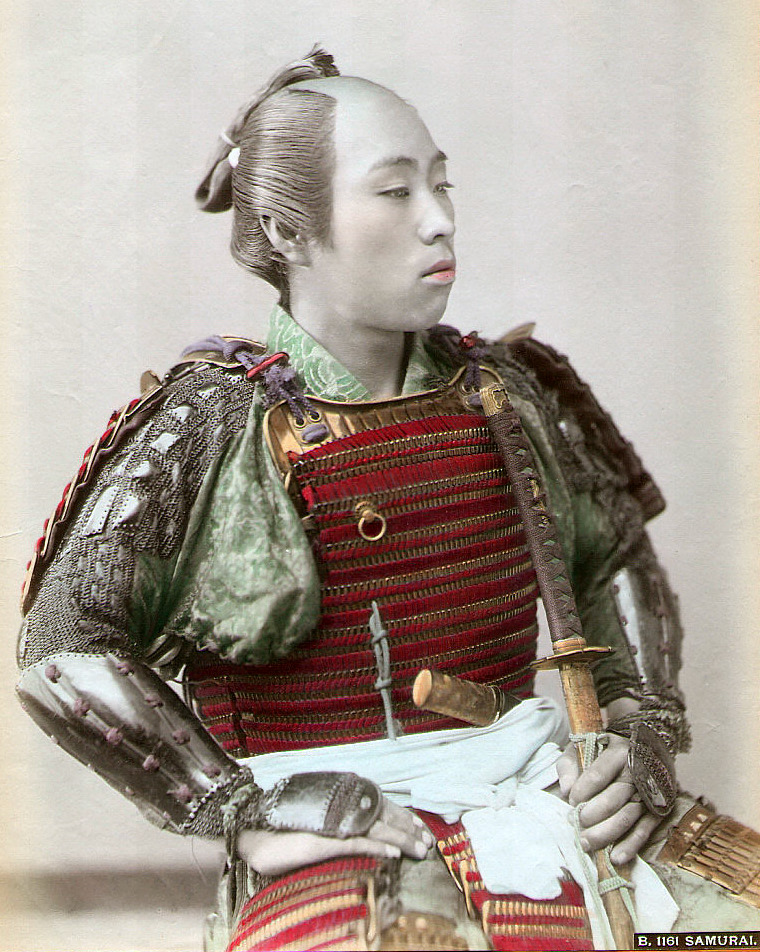
Nihongami
Traditional Japanese hairstyles characterized by elaborate updos, side wings, and wax styling.
Nihongami refers to a collection of traditional Japanese hairstyles distinguished by their complex construction and social significance. Developed over centuries, these styles utilized wax, combs, and extensions to create structured forms that indicated the wearer's age, status, and occupation.
- Most styles use abura wax to harden and shape the hair.
- Maiko change hairstyles five times during their apprenticeship.
- Geisha typically wear pre-styled wigs called katsura.
- Styles indicate social status, age, and occupation.
- Bamboo and boxwood combs are essential tools for styling.
What it is
Nihongami describes a group of traditional Japanese hairstyles defined by their intricate structure. Most styles feature two side sections curving upward to meet at a topknot or bun, with a long loop of hair hanging below. The look is rigid and polished, held together by wax and supported by internal wires or extensions. These styles were primarily worn by women, with specific variations denoting gender, age, marital status, and social rank. Today, they are mostly seen on geisha, maiko, sumo wrestlers, and in theatrical performances.
Where it comes from
Early Japanese noblewomen adopted high, boxy styles inspired by Chinese fashion in the 7th century. By the Heian period, loose straight hair became fashionable. The Edo period saw a shift toward elaborate upswept styles originating among courtesans and actors before spreading to merchants. Many modern nihongami styles were developed during this era. After World War II, geisha began using wigs to reduce styling time, while maiko styles were redesigned due to a shortage of skilled stylists.
What it means
These hairstyles served as visual markers of identity. Variations in shape, accessories, and color indicated the wearer’s position in society, such as age or profession. For example, maiko changed hairstyles five times during their apprenticeship to reflect their seniority. The styles also carried cultural weight, appearing in literature like The Tale of Genji and in ukiyo-e prints, symbolizing beauty and social order.
How it is made
Hair is divided into five sections: front fringe, side wings, topknot, nape loop, and back volume. Stylists use heated tongs to straighten hair, then apply abura wax to harden and shape it. Bamboo or boxwood combs are used to smooth and arrange the hair. Waxed yak hair extensions and wire cords provide structural support. The style is secured with various combs and ornaments, requiring weekly restyling unless a wig is worn.
Who and what it suits
The styles are designed for straight hair, which is easier to wax and shape into rigid forms. Extensions are often added to increase volume and length. Because the styles are highly structured and customized, they can be adapted to suit individual face shapes, particularly in the case of geisha wigs which are tailored to each wearer.
Versions
Key variants include the shimada, worn by geisha and brides, and the wareshinobu, worn by junior maiko. Other styles include the takashimada for weddings, the katsuyama for festivals, and the sakkō for graduations. Historical styles like the kinshōjo and yugao were worn by high-class courtesans. Each variant differs in the shape of the bun, the size of the side wings, and the type of accessories used.
In culture
Nihongami appears frequently in kabuki theatre, where historical styles are reproduced faithfully. They are depicted in ukiyo-e woodblock prints by artists like Utamaro. The styles remain part of contemporary Japanese culture through geisha and maiko communities, though few traditional hairstylists remain. The craft relies on handmade combs and specialized knowledge passed down through generations.


Questions people ask about Nihongami
What is nihongami?
Nihongami is a term for traditional Japanese hairstyles known for their complex construction. They typically feature side wings curving to a topknot and are held in place with wax and combs.
Who wears nihongami today?
Today, these styles are mainly worn by geisha, maiko, sumo wrestlers, and courtesan re-enactors. They are also featured in kabuki theatre performances.
How is nihongami styled?
Hair is divided into sections, straightened with heated tongs, and shaped with abura wax. Combs and wire cords support the structure, and yak hair extensions may be added for volume.
Why did geisha start wearing wigs?
After World War II, geisha began wearing wigs to avoid the time-consuming process of restyling their own hair weekly. This allowed them to go weeks between major styling sessions.
Good reading and sources
The facts on this page come from the Wikipedia article "Nihongami", written by its contributors and used under the CC BY-SA 4.0 licence, and from its Wikidata record (CC0). EveryHairstyle rewrote the text in its own words, with AI assistance, and compares every page with the article to make sure no passage is copied. It may be reused under the same CC BY-SA 4.0 licence with a link back.
It may contain mistakes, and figures change over time. Nothing here is investment or buying advice. If something is wrong, tell us. Last refreshed 2026-11-15.
Like Nihongami
All buns and updos 🇨🇳 ChinaChinese hairpin
Traditional Chinese hair ornaments used to secure buns and signify status.Adorned · Any hair
 WorldLong hair
Head hair grown to a considerable length, often past the shoulders.Styled · Any hair
 WorldBun
A hairstyle where hair is gathered and coiled into a circular shape on the head.Updo · Any hair