Style capital, United States
Harlem
The Manhattan neighbourhood of finger waves and conks, the afro, and the African braiding salons of 125th and 116th streets.
Harlem, in upper Manhattan, has been a capital of Black hair culture for more than a century. In the 1920s Harlem Renaissance its salons set finger waves and marcel waves, and its barbers straightened men's hair into conks. In the 1960s the afro became a statement of pride on its streets. Today the salons of 125th Street and Little Senegal on 116th Street are known for African braiding.
Waves and conks
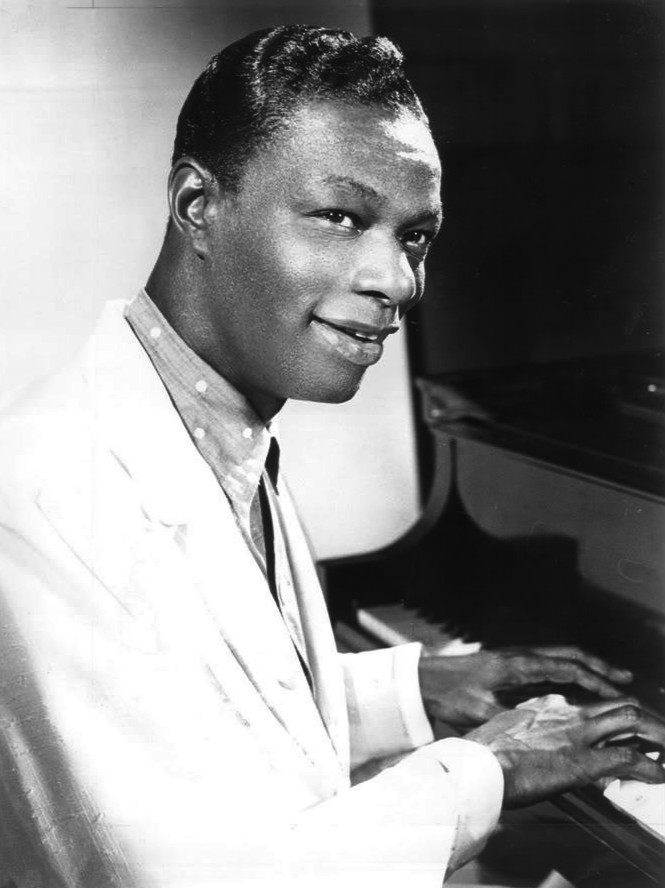
In the early 20th century many Black women in Harlem pressed their hair with hot combs and set it in finger waves or marcel waves, and Madam C. J. Walker, whose hair-care business made her one of America's first self-made women millionaires, moved to Harlem in 1916. Men wore the conk, hair straightened with a harsh chemical paste and slicked into waves or a pompadour. Malcolm X, who wore a conk as a young man, later described it in his autobiography as a sign of shame.
Black is beautiful
In the 1960s the afro, hair grown out and shaped round, became a symbol of the civil rights and Black Power movements, worn by activists, students and musicians. Harlem's barbershops and salons have also been meeting places for politics and news. From the 1980s, braiders from Senegal, Guinea, Mali and Côte d'Ivoire opened salons in Harlem, spreading box braids, twists and cornrows across the city.
Hairstyles of Harlem




Still to be written: Laid edges.
Also tied to Harlem
 🇺🇸 United States and 3 moreNatural hair movement
A social and cultural campaign for wearing textured hair without chemical straightening.Natural · Coily and kinky hair · 1960
 🇬🇧 United Kingdom and 1 morePerm
A chemical or thermal treatment that sets permanent waves or curls into the hair.Styled · Curly hair · 1872
 🇺🇸 United StatesShag
A layered, unisex haircut featuring feathered top sections and thin edges.Cut · 1969
 🇺🇸 United StatesHi-top fade
Tall flat top with shaved sides from hip hop cultureCut · Coily and kinky hair · 1984
Photo credits on this page
The small pictures above come from Wikimedia Commons under free licences. Some are cropped to fit.
- Perm: Louis Calvete, CC BY-SA 3.0, source
- Afro: Jason Melcher, CC BY 2.0, source
- Natural hair movement: livepict.com, CC BY-SA 3.0, source
- Box braids: Randen Pederson, CC BY 2.0, source
- Marcelling: The Bridgeport times and evening farmer, Public domain, source
- Finger wave: Unknown author Unknown author (Either deceased family member or work f, CC BY-SA 2.0, source
- Conk: NBC Television, Public domain, source
- Shag: ABC Television Network ., Public domain, source
- Hi-top fade: Kct02, CC BY-SA 4.0, source