
Perm
A chemical or thermal treatment that sets permanent waves or curls into the hair.
A perm is a hairstyle where waves or curls are chemically or thermally set into the hair to last for months. The process evolved from early thermal tongs in the nineteenth century to complex electric machines and alkaline reagents in the twentieth century.
- Marcel Grateau created the first thermal waving method in 1872.
- Karl Nessler demonstrated his electric perm machine in 1905.
- Eugene Suter and Isidoro Calvete improved heater designs in London.
- Perms became common for middle-class women by the 1930s.
- Chemicals like ammonia and borax help set the curls.
What it is
A perm creates lasting waves or curls in the hair through chemical or thermal means. The result resembles natural curls but is artificially set. It typically lasts for several months as the treated hair grows out. The style can produce two-dimensional flat waves or three-dimensional spiral curls depending on the winding technique used during the application process.
Where it comes from
The first practical thermal method was created by Marcel Grateau in 1872 using heated tongs. In 1905, Karl Nessler invented an electric machine using sodium hydroxide and brass rollers. Eugene Suter and Isidoro Calvete later improved the technology with better heaters and windings. By the 1930s, the process was well-established, with many women perming regularly.
What it means
Perms became a symbol of modernity and self-determination for women in the early twentieth century. As women cut their hair short during World War I, waving became a way to add volume and style to shorter lengths. The treatment allowed women to maintain styled hair without daily effort, reflecting changing social roles and fashion trends.
How it is made
Hair is washed and sectioned. Each lock is wound onto rods or curlers. Chemical reagents containing ammonia or borax are applied to break and reform hair bonds. Heat is often used to accelerate the reaction. After processing, the chemicals are neutralized, and the hair is rinsed while still on the rods before being released.
Who and what it suits
Originally suited for long hair, perms were adapted for shorter styles as electric equipment became smaller. The treatment works on various hair types to create waves or curls. The size of the curl depends on the diameter of the rods used and the tension of the winding.
Versions
Variations include root winding for three-dimensional curls and point winding for flatter waves. Cold-waving methods were developed to avoid high heat. Chemical straightening uses similar processes but flattens the hair instead of curling it. Different reagents and heater designs have led to numerous specific techniques over time.
In culture
Perms were heavily marketed through magazines like The Eugène Waver. Companies produced specialized equipment and reagents for salons. The treatment became a staple of hairdressing services, with regular appointments for maintenance. Legal battles over patents occurred between major manufacturers like Nessler and Eugene.


Questions people ask about Perm
How long does a perm last?
A perm typically lasts for several months. The curls remain until the treated hair grows out and is cut off, replaced by new unpermed hair growing from the scalp.
What chemicals are used in a perm?
Common ingredients include ammonia and borax, which are mildly alkaline. These substances help break and reform the hair's keratin bonds to hold the new shape. Reducing agents like sulfites may also be used.
Who invented the electric perm machine?
German hairdresser Karl Nessler invented an early electric permanent wave machine in 1905. He used brass rollers and sodium hydroxide to create curls on long hair.
Can perms be done on short hair?
Yes, although early methods required long hair. Later developments by Eugene Suter and others allowed for smaller equipment suitable for shorter hairstyles, making perming accessible to more women.
Good reading and sources
- Perm (hairstyle) on WikipediaEncyclopedia
- More photos on Wikimedia CommonsPhotos
- Wikidata recordOpen data
The facts on this page come from the Wikipedia article "Perm (hairstyle)", written by its contributors and used under the CC BY-SA 4.0 licence, and from its Wikidata record (CC0). EveryHairstyle rewrote the text in its own words, with AI assistance, and compares every page with the article to make sure no passage is copied. It may be reused under the same CC BY-SA 4.0 licence with a link back.
It may contain mistakes, and figures change over time. Nothing here is investment or buying advice. If something is wrong, tell us. Last refreshed 2026-11-15.
Like Perm
All styled and set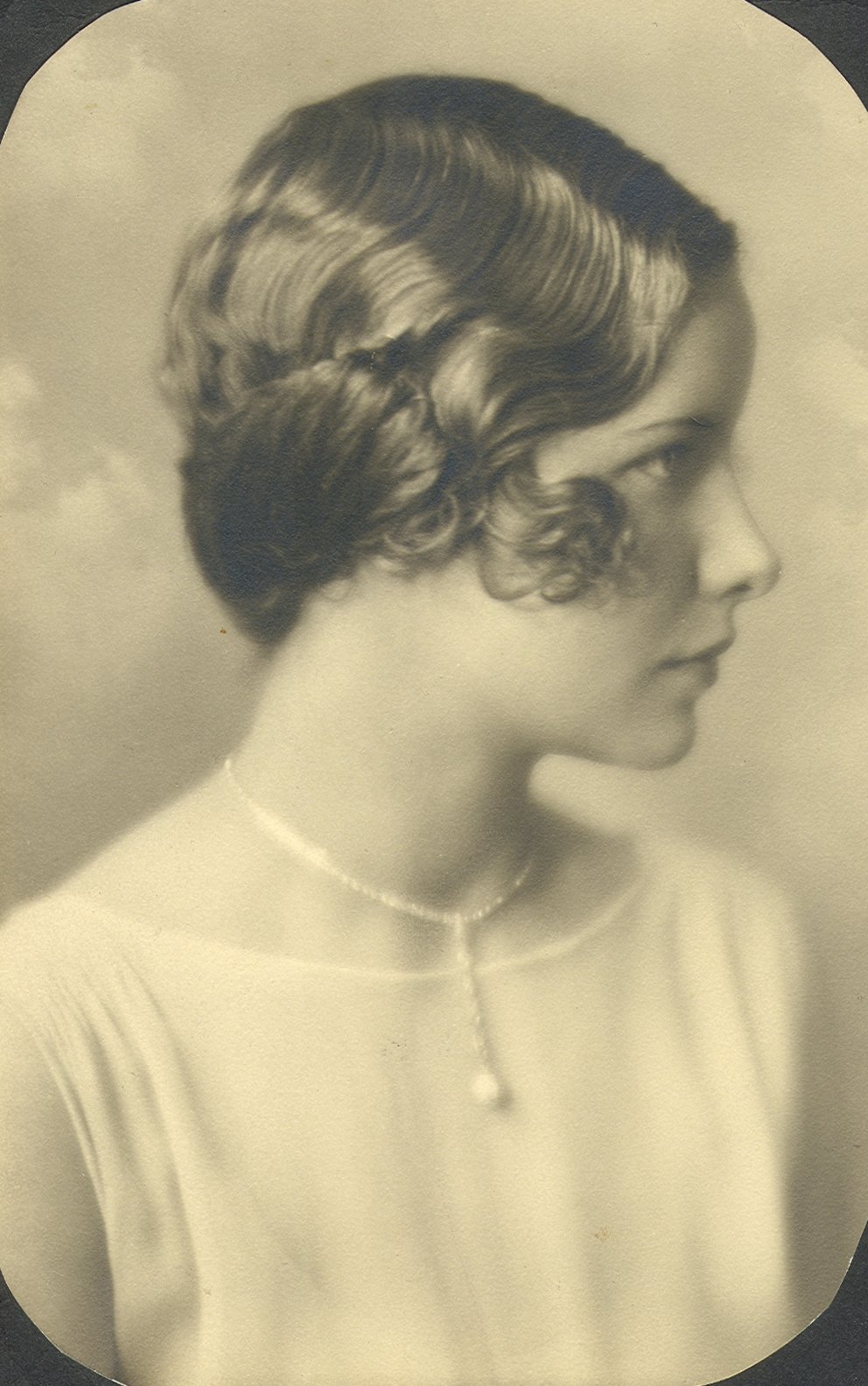 🇺🇸 United StatesFinger wave
S-shaped waves set by hand with comb and gelStyled · Straight hair · 1920
 🇺🇸 United States and 3 moreNatural hair movement
A social and cultural campaign for wearing textured hair without chemical straightening.Natural · Coily and kinky hair · 1960
🇬🇧 United KingdomVictory rolls
A 1940s women's hairstyle featuring voluminous side rolls shaped like the letter V.Styled · Straight hair · 1940
 🇺🇸 United StatesAfro
A rounded style of combed-out natural hair.Natural · Coily and kinky hair · 1960