Barber street or district, Japan
Ryōgoku, Tokyo
The sumo district of Tokyo, where wrestlers' oiled topknots are dressed by tokoyama and cut off at retirement.
Ryōgoku, on the east bank of the Sumida river in Tokyo, is the home of sumo. The Ryōgoku Kokugikan, opened in its present building in 1985, holds three of the six grand tournaments each year, in January, May and September, and many sumo stables are nearby. Every wrestler wears his hair long and tied in a topknot, the chonmage, which is dressed daily by a special hairdresser, the tokoyama.
The topknot
The chonmage descends from the topknots of samurai of the Edo period. When the Meiji government's 1871 decree allowed men to cut off topknots, sumo wrestlers kept theirs, and it is now required. Junior wrestlers wear a simple folded knot. Wrestlers in the top two divisions wear the oicho-mage for bouts and ceremonies, its end spread like a ginkgo leaf, and the knot also helps cushion the head in falls.
The tokoyama and the last cut
Tokoyama are hairdressers employed by the Japan Sumo Association, ranked by skill and experience, who comb the wrestlers' hair with scented wax, bintsuke abura, and tie the knots by hand. When a wrestler retires, a danpatsu-shiki, or hair-cutting ceremony, is held, often at the Kokugikan for senior wrestlers: hundreds of guests may each make a snip, and the stablemaster makes the final cut of the topknot.
Hairstyles of Ryōgoku, Tokyo
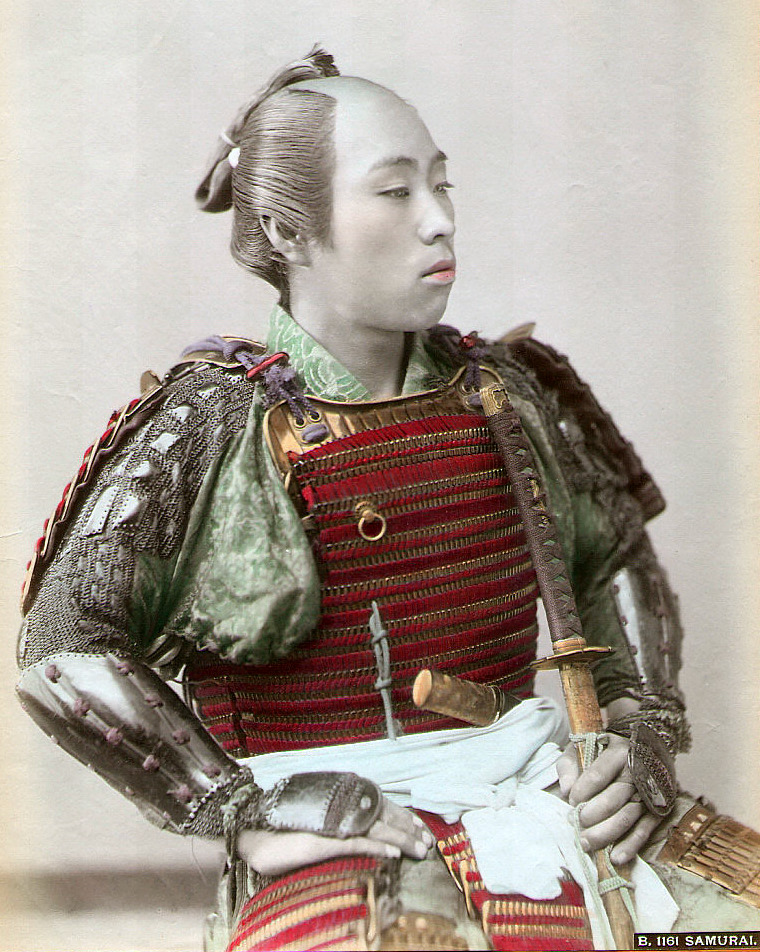
Photo credits on this page
The small pictures above come from Wikimedia Commons under free licences. Some are cropped to fit.
- Chonmage: not listed, Public domain, source