Style capital, South Korea
Seoul
Joseon topknots, braided ribbons and court wigs, the topknot ban of 1895, and today's K-pop salons.
Seoul, capital of Korea's Joseon kingdom from 1394, kept strict rules of hair. Boys and unmarried girls wore a long single braid tied with a ribbon, the daenggi. On marriage a man tied his hair into the sangtu, a topknot under his hat, and a woman wound hers into a low bun fixed with a long pin, the binyeo. Court women wore huge wigs, the kach'e. Today Seoul's salons shape K-pop hair.
Hair and adulthood
Under Confucian teaching, the body and hair were gifts from one's parents and not to be harmed, so men grew their hair long. A boy's braid was put up into a sangtu at his coming-of-age or marriage, marking him as an adult. Wealthy women wore kach'e, wigs built of added hair and ornaments, which grew so large and costly that King Yeongjo banned them in the 1750s, encouraging the simpler chignon and binyeo.
The short hair order
In late 1895 the government, under Japanese influence, issued the danballyeong, an order for men to cut off their topknots, and King Gojong cut his own. Many Koreans saw it as an insult to their parents and their country, and it helped spark armed uprisings; the scholar Choe Ik-hyeon is remembered for saying he would lose his head before his hair. Short hair spread over the following decades. Since the 2000s Seoul's salons have set Asian trends through K-pop and Korean drama.
Hairstyles of Seoul


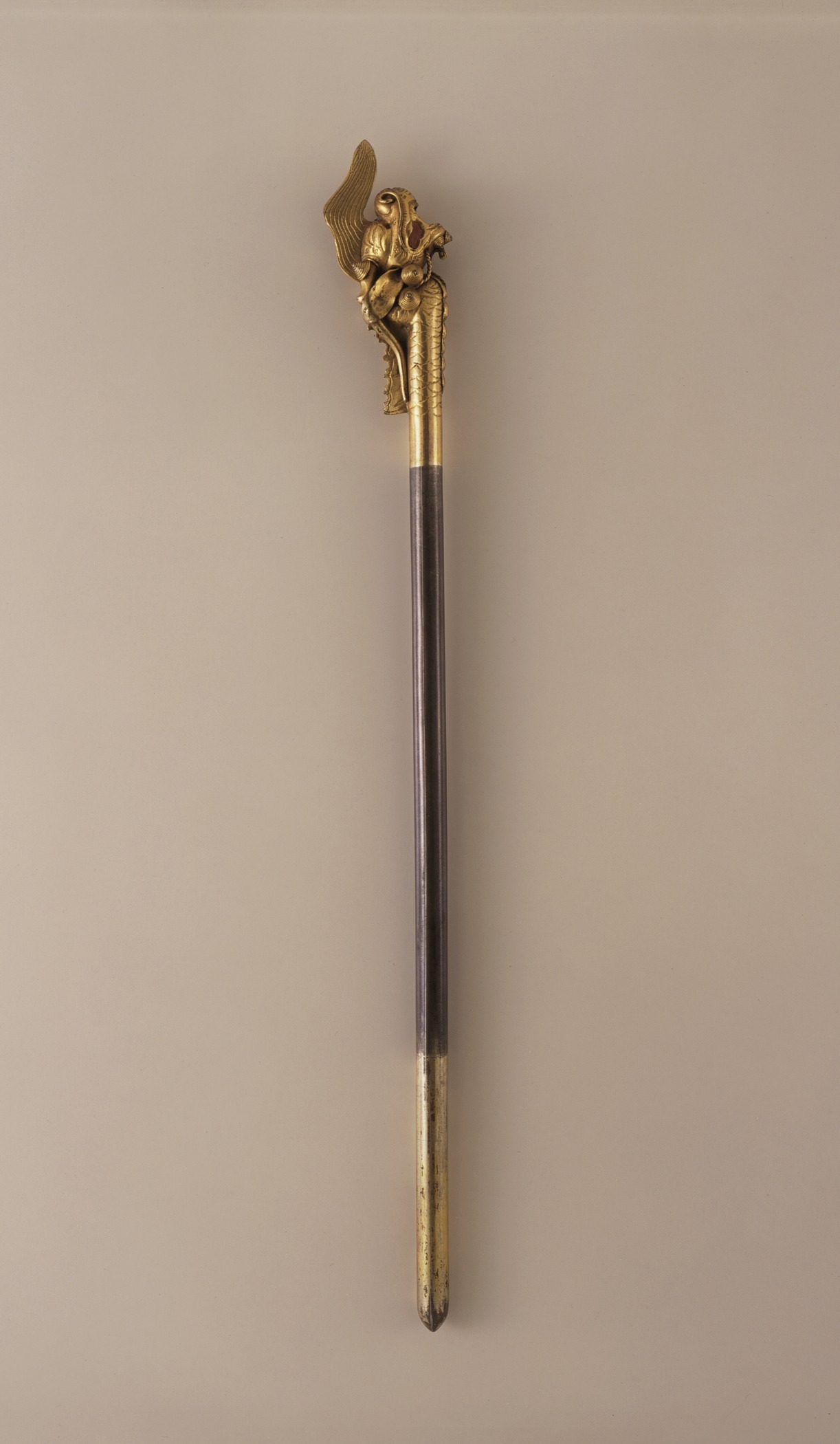

Photo credits on this page
The small pictures above come from Wikimedia Commons under free licences. Some are cropped to fit.
- Binyeo: Unknown author, Public domain, source
- Daenggi: Korean_Folk_Village-Women_in_hanbok-02.jpg : parhessiastes, CC BY-SA 2.0, source
- Gache: KIYOUNG KIM, CC BY 2.0, source
- Sangtu: Internet Archive Book Images, No restrictions, source