
Afro
A rounded style of combed-out natural hair.
The afro is a hairstyle formed by combing out natural kinky or curly hair into a rounded shape. It rose to prominence in the late 1960s among African Americans as a symbol of black pride and political identity. The style rejects chemical straightening and celebrates natural texture.
- Popularised in the late 1960s as a symbol of black pride.
- Created by combing hair out from the scalp with a pick.
- Protected from discrimination by the CROWN Act in some US states.
- Aevin Dugas holds the record for the largest female afro.
- Banned in Tanzania in the 1970s as a neocolonial symbol.
What it is
The afro is a hairstyle created by combing hair away from the scalp to form a rounded, cloud-like shape. It relies on the natural growth pattern of kinky or curly hair, which extends outward as it lengthens. For those with straight or wavy hair, chemical products may be used to mimic the texture. The style is worn by men and women and varies in size from close-cropped to very large volumes. It is distinct for its domelike silhouette and lack of chemical straightening agents.
Where it comes from
Before the 1960s, many African Americans straightened their hair to align with European beauty standards, often using harsh chemicals. The Civil Rights Movement sparked a shift toward natural aesthetics under the Black is beautiful banner. The afro emerged as a political statement of black pride and rejection of assimilation. It gained massive popularity in the late 1960s and early 1970s, worn by activists and entertainers alike. By the mid-1970s, its mainstream adoption diluted its radical edge, leading to a decline in favor of braids. The style saw a resurgence in the 1990s and 2000s among musicians and athletes.
What it means
The afro served as a powerful symbol of black identity and political resistance during the 1960s. It represented a reconnection with African heritage and a refusal to conform to white societal norms. Critics noted that some Africans viewed the style as a Western import rather than an authentic traditional look. In Tanzania, the government banned the afro in the 1970s, viewing it as a sign of neocolonial cultural invasion. Today, it remains a marker of natural hair advocacy and self-love, protected by laws like the CROWN Act in California and New York against discrimination.
How it is made
To create an afro, one combs the hair outward from the roots using a wide-toothed tool known as an Afro pick. This picking motion stretches the curls and builds volume into a spherical shape. For individuals with straight or wavy hair, permanent curling creams or gels are applied to alter the hair structure temporarily. The style requires minimal daily maintenance compared to braids or chemically relaxed hair. Some people tease or backcomb the hair for extra volume, though this can cause damage. The hair is left untreated by relaxers to maintain its natural kinkiness.
Who and what it suits
This style is best suited for hair with a kinky, coily, or tightly curled texture. It can also be achieved on wavy or straight hair using chemical treatments. The afro works for both men and women across various ages. It does not require specific face shapes but relies on the hair's ability to stand away from the head. Those with fine or straight hair must use solidifying products to hold the shape. The style is practical for those seeking a low-maintenance routine that avoids frequent salon visits.
Versions
Variations include the Jewfro or Isfro, terms used for similar styles worn by Jewish individuals. In Somalia, young men sometimes comb long hair into large bushes held with ghee. The Hadendoa Beja people shaped mop-like hairstyles using butter or mutton fat. Modern afros may incorporate braids, beads, or twists. Sizes range from small, tight crops to expansive wigs. Aevin Dugas holds the Guinness World Record for the largest female afro. Some versions use backcombing to increase height and width beyond natural growth limits.
In culture
The afro is deeply tied to African American culture and the Black Power movement. Figures like Angela Davis and Jimi Hendrix made the style globally recognizable. It appeared in films and music, influencing fashion trends worldwide. In the Caribbean, dreadlocks were more popular than afros due to Rastafari influence. The style has faced legal challenges, prompting laws in US states to ban hair-based discrimination. It continues to appear in pop culture, such as Beyoncé’s role in Austin Powers in Goldmember. The natural hair movement keeps the style relevant in contemporary society.


Questions people ask about Afro
What tools are needed to style an afro?
The primary tool is a wide-toothed comb known as an Afro pick. Its long teeth reach the scalp to lift and stretch the hair from the roots. This creates the desired rounded volume and shape without damaging the strands excessively.
Can people with straight hair wear an afro?
Yes, individuals with straight or wavy hair can achieve this look. They typically use permanent hair structure-changing creams, gels, or other solidifying liquids. These products help hold the hair in a curled or puffed position to mimic the natural texture.
Why was the afro considered political in the 1960s?
It symbolized black pride and a rejection of European beauty standards. During the Civil Rights Movement, wearing natural hair was an act of resistance against assimilation. It represented a renewed sense of identity and appreciation for black aesthetics within the community.
Is the afro originally an African hairstyle?
While it links to African heritage, some critics argue it is not traditionally African. Mid-20th century African societies did not always view it as denoting Africanness. Some nationalists saw its adoption by African Americans as a Western imposition rather than an authentic cultural revival.
Good reading and sources
The facts on this page come from the Wikipedia article "Afro", written by its contributors and used under the CC BY-SA 4.0 licence, and from its Wikidata record (CC0). EveryHairstyle rewrote the text in its own words, with AI assistance, and compares every page with the article to make sure no passage is copied. It may be reused under the same CC BY-SA 4.0 licence with a link back.
It may contain mistakes, and figures change over time. Nothing here is investment or buying advice. If something is wrong, tell us. Last refreshed 2026-11-15.
Like Afro
All natural and afro 🇺🇸 United States and 3 moreNatural hair movement
A social and cultural campaign for wearing textured hair without chemical straightening.Natural · Coily and kinky hair · 1960
 🇸🇩 Sudan and 4 moreDreadlocks
A hairstyle of rope-like hair strands formed by matting or twisting.Natural · Coily and kinky hair · 1970
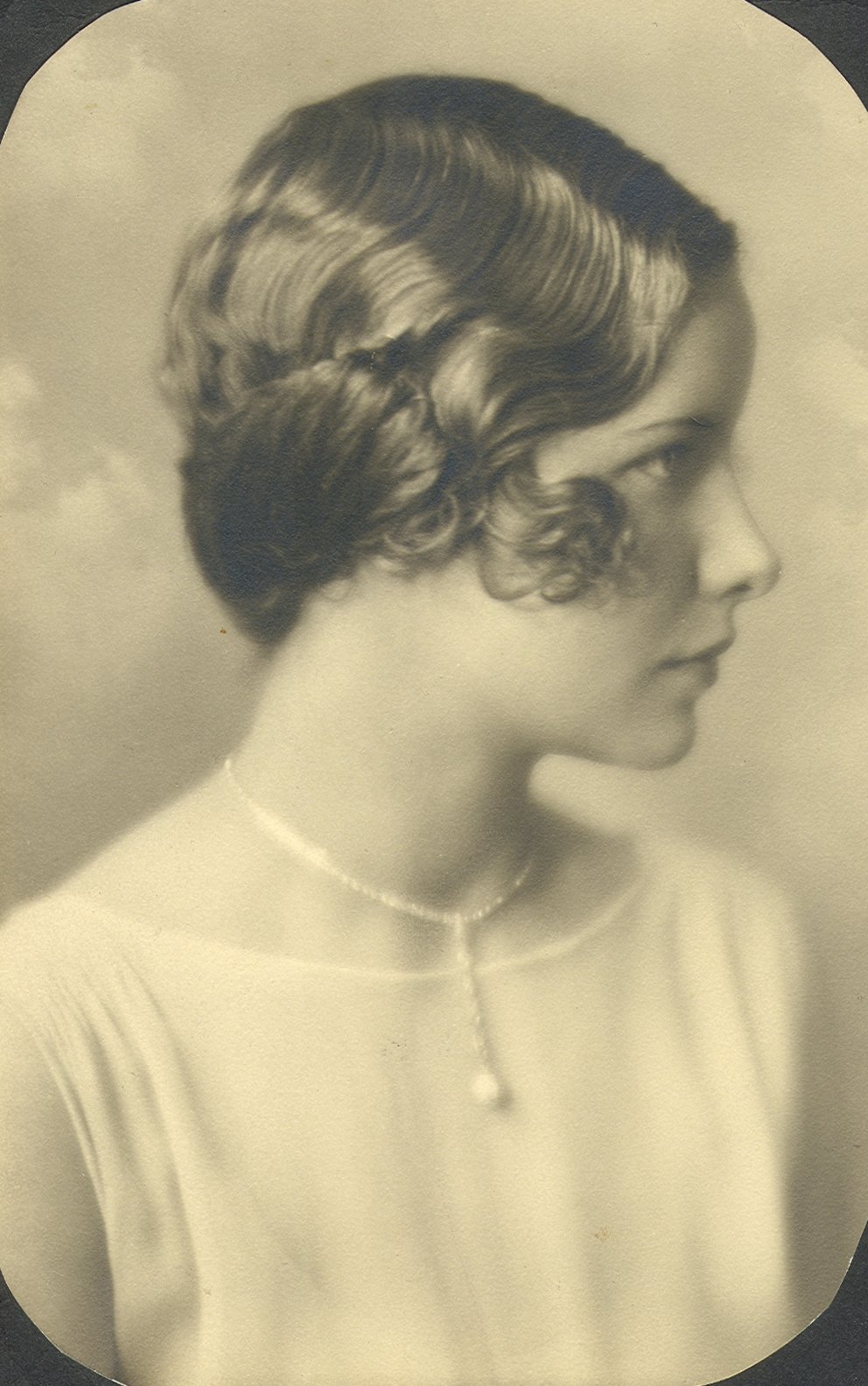 🇺🇸 United StatesFinger wave
S-shaped waves set by hand with comb and gelStyled · Straight hair · 1920
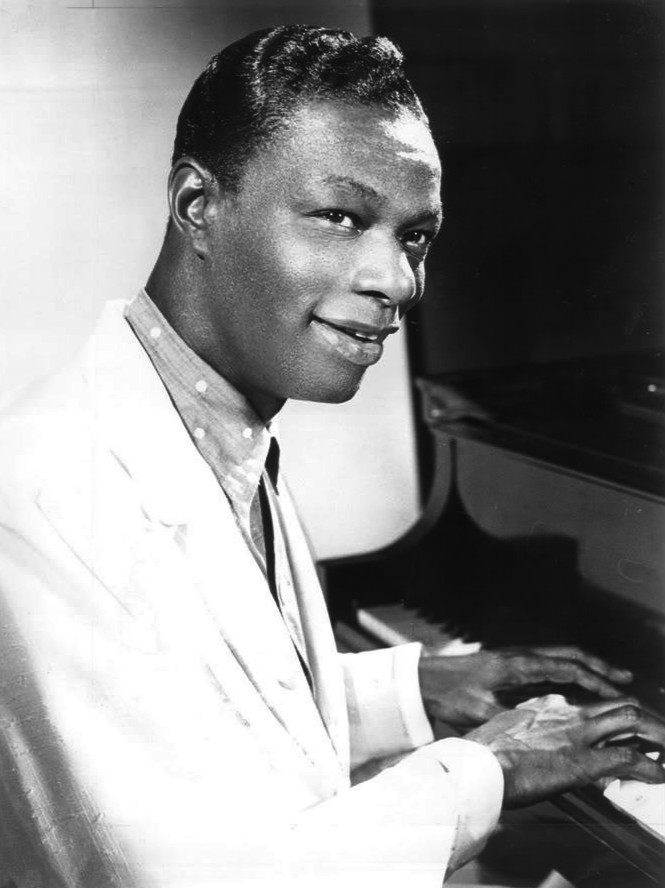 🇺🇸 United StatesConk
Chemically straightened hair popular with African-American men mid-20th century.Styled · Coily and kinky hair · 1920
