Style capital, United States
Hollywood
The film and television capital whose stars made the bob, victory rolls, the pixie, feathered hair and the Rachel.
Hollywood, the district of Los Angeles that gave its name to the American film industry, has spread more haircuts around the world than any salon. Silent-film stars of the 1920s helped make the bob respectable; wartime actresses wore victory rolls; Audrey Hepburn made the pixie famous in 1953; and television later gave the world Farrah Fawcett's feathered hair and the Rachel.
From the bob to victory rolls
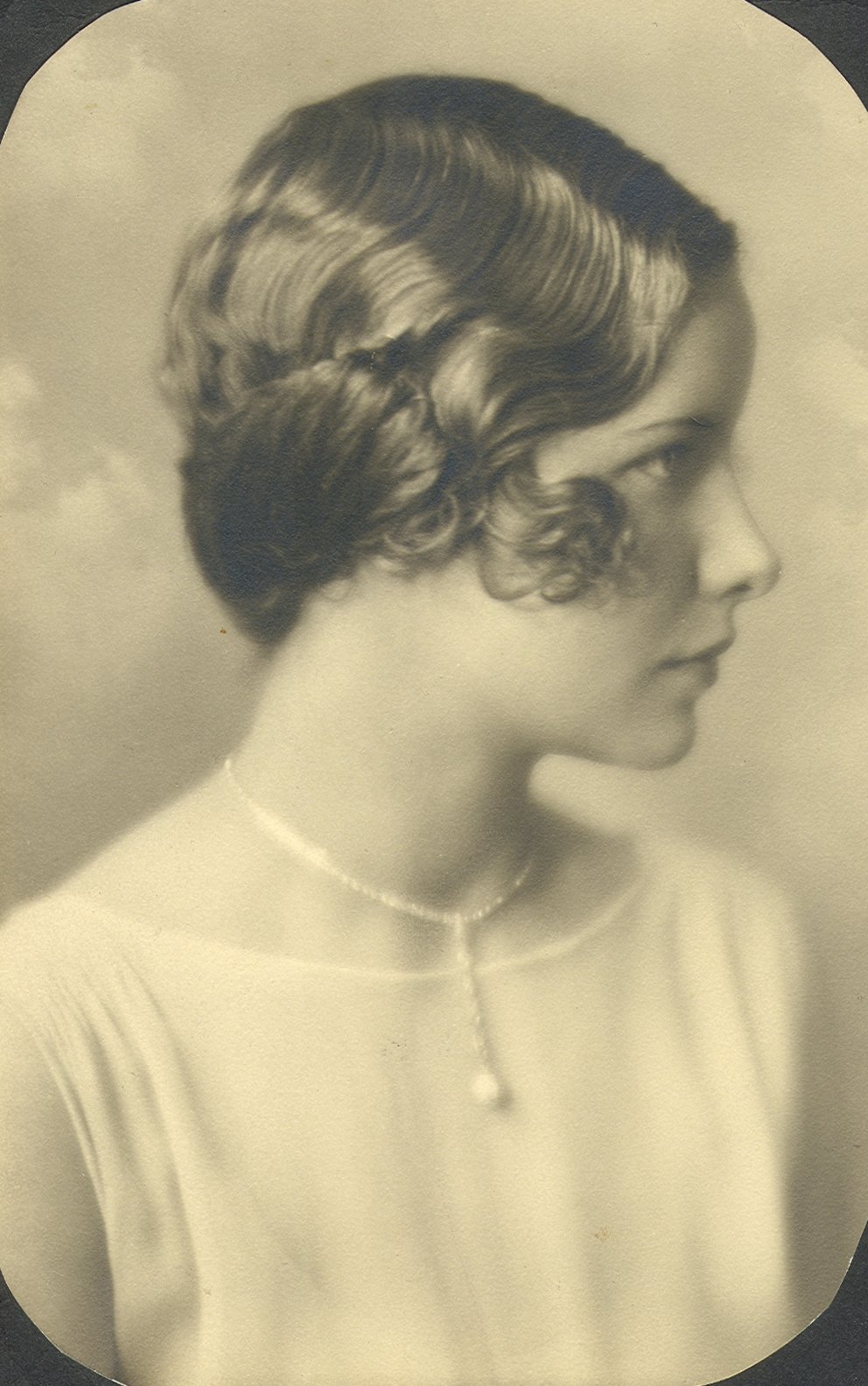
In the 1920s actresses such as Colleen Moore and Louise Brooks wore short, sleek bobs, often with a heavy fringe, that showed the style on screen to millions. In the 1930s and 1940s studio hairdressers set finger waves, pin curls and the rolled styles called victory rolls. Veronica Lake's long hair falling over one eye was so widely copied that in 1943 she changed it at the government's request, to discourage factory workers from catching their hair in machines.
Television hair
Audrey Hepburn's cropped pixie in Roman Holiday (1953) made very short hair glamorous. In 1976 Farrah Fawcett's flicked, layered hair in Charlie's Angels set off a craze for feathered hair. In 1995 Jennifer Aniston's shoulder-length layered cut in the television comedy Friends, cut by the stylist Chris McMillan, became known as the Rachel and was asked for in salons around the world, though Aniston later said she found it hard to style.
Hairstyles of Hollywood



Still to be written: Feathered hair.
Photo credits on this page
The small pictures above come from Wikimedia Commons under free licences. Some are cropped to fit.
- Bob cut: 147 Company, CC BY 4.0, source
- The Rachel: ABC Television, Public domain, source
- Pixie cut: dvna creative agency: https://www.dvna.fr/, CC BY 3.0, source
- Finger wave: Unknown author Unknown author (Either deceased family member or work f, CC BY-SA 2.0, source