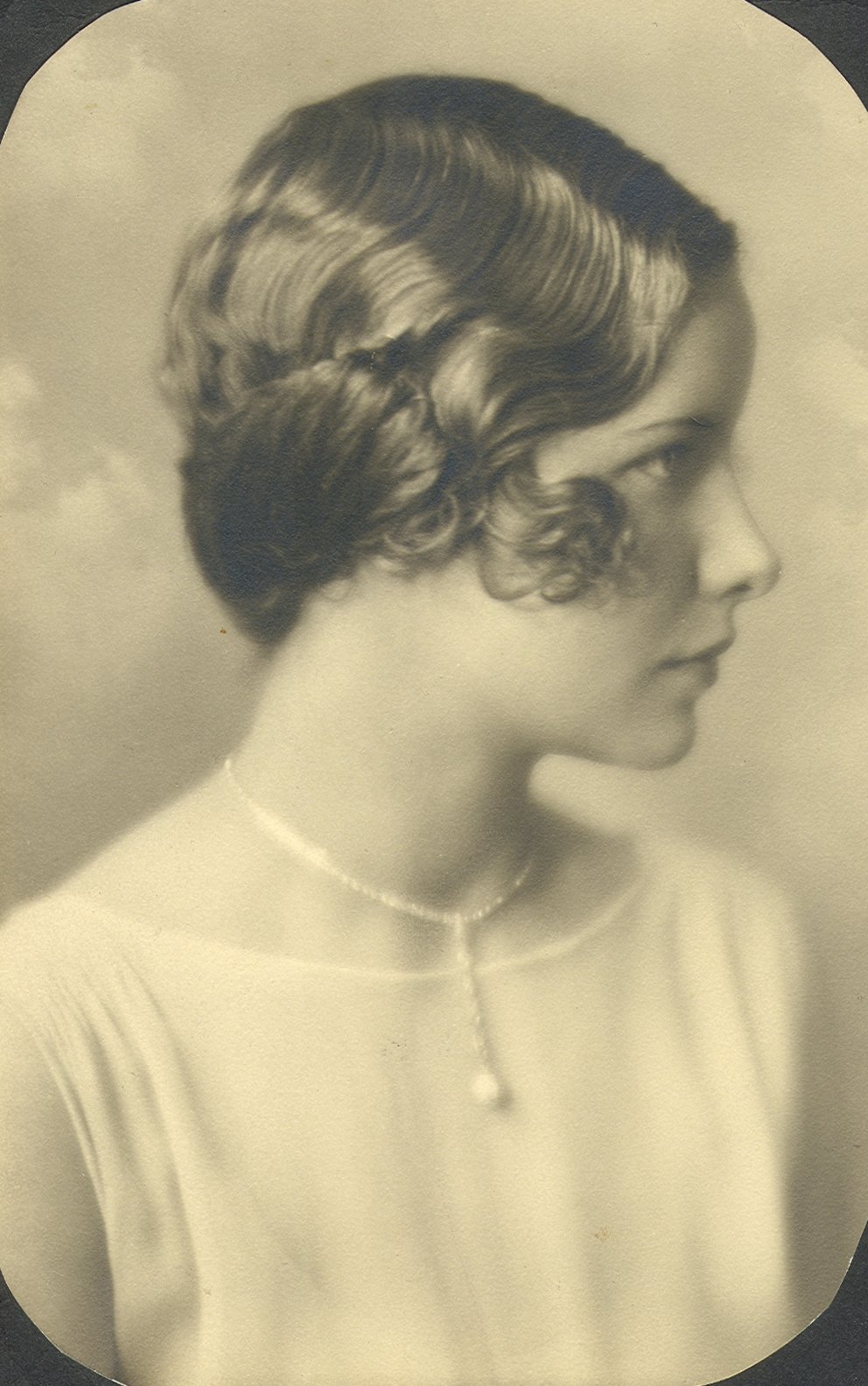
Finger wave
S-shaped waves set by hand with comb and gel
A styling technique that moulds wet hair into S-shaped curves using fingers and a comb. It rose to fame in the 1920s flapper era and returned in the late 1990s. The method avoids heat, relying on lotions or gels to hold the shape until dry.
- Uses fingers and comb to create S-shaped waves
- Popularised by 1920s flappers and 1990s pop stars
- Requires no heated irons or thermal tools
- Works on both straight and curly hair types
- Often secured with clips while drying
What it is
This style features deep, S-shaped undulations pressed close to the head. It creates a sculpted look without using heated irons. The hair is moulded while wet and left to dry in place. It works on various textures, including straight and naturally curly strands. Wearers often choose this for its vintage appeal or dramatic effect. The waves can be left sharp for formal events or brushed out for a softer daily look.
Where it comes from
The technique emerged in the 1920s to add softness to the popular bob cut of the flapper period. Silver screen stars like Josephine Baker and Esther Phillips helped spread its fame. Historical records note similar styles among enslaved people in the early 1800s. The look saw a major revival in the late 1990s, driven by pop icons like Madonna and hip-hop artists such as Missy Elliott. This resurgence coincided with a trend toward shorter, natural hair in African-American communities.
What it means
Originally, it served to refine the harsh lines of short bobbed haircuts. It became a symbol of glamour during the Jazz Age, heavily promoted by Hollywood cinema. In the 1990s, it represented a blend of retro fashion and modern natural hair movements. Today, it appears on high-fashion runways, linking past elegance with contemporary design. It stands as a testament to non-thermal styling methods.
How it is made
Apply a waving lotion, gel, or hairspray to damp hair to help it hold shape. Pinch sections of hair between the fingers and use a comb to push the hair in alternating directions. This action forms the characteristic S-curve. Use clips or tape to secure the heavy, damp waves while they dry. Do not disturb the hair until it is completely dry to ensure the waves set properly. Remove clips gently once the style is fixed.
Who and what it suits
It is effective on straight, wavy, and curly hair types. Naturally curly or permanently waved hair holds the shape well, but straight hair also responds successfully. The style typically requires short to medium length, such as a bob. It suits those willing to invest time in the setting process. Brushing out the dried waves offers a more casual alternative for everyday wear.
Versions
It is often confused with the Marcel wave, which uses hot irons instead of fingers. Another similar method is the croquignole, which employs heated curlers for a permanent result. Finger waves are temporary and heat-free. Modern variations may use different gels or tapes for holding. Designers like Marc Jacobs and Prada have featured updated versions on recent runways.
In culture
Hollywood movies cemented its status as a glamorous standard in the 1920s and 1930s. Bette Davis helped maintain its visibility through television performances. In the late 1990s, it crossed into music videos and pop culture via stars like Missy Elliott. Recent fashion weeks have showcased the style, proving its enduring influence. It remains a key reference for vintage-inspired hair design.
Questions people ask about Finger wave
How is a finger wave different from a Marcel wave?
Finger waves are moulded by hand using a comb and lotion on wet hair. Marcel waves use heated irons to create the shape. Finger waves are temporary and heat-free, while Marcel waves are more permanent and involve thermal styling tools.
What products are needed to set finger waves?
You need a waving lotion, liquid styling gel, or hairspray to help the hair retain its shape. Clips or tape are also used to hold the damp waves in place until they dry. Traditional recipes used karaya gum, but modern gels are common now.
Can straight hair hold finger waves?
Yes, the technique is successful on straight hair as well as naturally curly or permanently waved hair. The key is using enough product to hold the shape and allowing the hair to dry completely without disturbance to set the S-curve.
Good reading and sources
The facts on this page come from the Wikipedia article "Finger wave", written by its contributors and used under the CC BY-SA 4.0 licence, and from its Wikidata record (CC0). EveryHairstyle rewrote the text in its own words, with AI assistance, and compares every page with the article to make sure no passage is copied. It may be reused under the same CC BY-SA 4.0 licence with a link back.
It may contain mistakes, and figures change over time. Nothing here is investment or buying advice. If something is wrong, tell us. Last refreshed 2026-11-15.
Like Finger wave
All styled and set 🇺🇸 United StatesThe Rachel
Voluminous layered cut popularised by FriendsCut · Straight hair · 1995
🇬🇧 United KingdomVictory rolls
A 1940s women's hairstyle featuring voluminous side rolls shaped like the letter V.Styled · Straight hair · 1940
 🇺🇸 United States and 3 moreNatural hair movement
A social and cultural campaign for wearing textured hair without chemical straightening.Natural · Coily and kinky hair · 1960
 🇺🇸 United StatesAfro
A rounded style of combed-out natural hair.Natural · Coily and kinky hair · 1960
More from Josephine Baker
All of them WorldBig hair
A hairstyle style defined by large volume and significant space around the head.Styled · Curly hair · 1960
 WorldMarcelling
A heat-styled curl technique from the 1870s.Curls · Any hair · 1872
 🇺🇸 United StatesLaid edges
A style arranging fine hair at the hairline into flat decorative waves or swirls.Styled · Fine hair · 1990