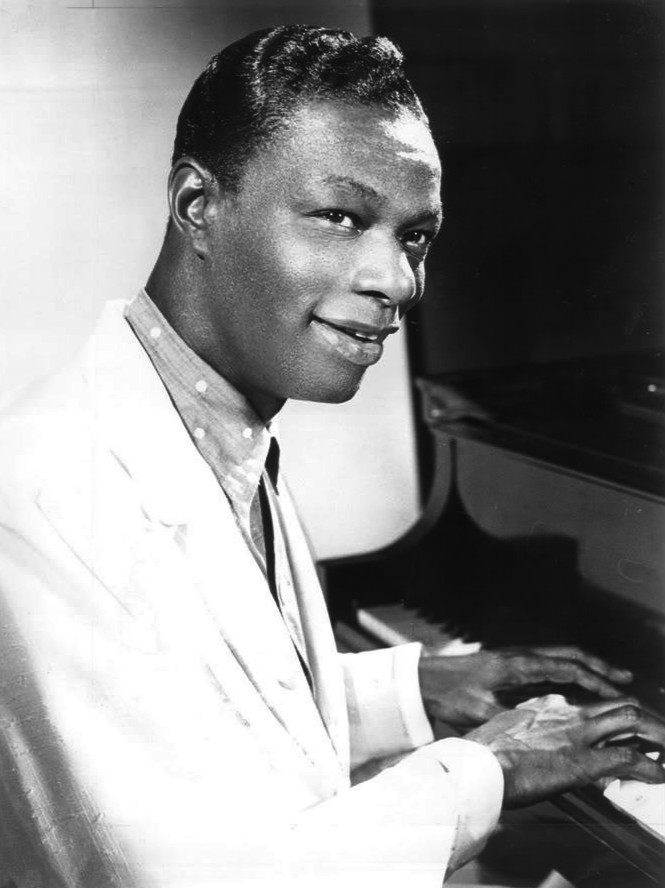
Conk
Chemically straightened hair popular with African-American men mid-20th century.
The conk was a hairstyle for African-American men featuring chemically straightened kinky hair. It used a corrosive gel called congolene to achieve a sleek look. Popular from the 1920s to the 1960s, it fell out of favour during the Black Power movement.
- Used corrosive lye gel called congolene for straightening
- Popular among African-American men from 1920s to 1960s
- Declined due to Black Power movement and pride in natural hair
- Malcolm X criticised it as a symbol of self-degradation
- Worn by musicians like Chuck Berry and James Brown
What it is
The conk is a hairstyle where naturally kinky hair is chemically straightened to lie flat or stand up in a pompadour. It was worn primarily by African-American men. The process involved applying a harsh gel to alter the hair texture permanently until new growth appeared. The result was a sleek, smooth appearance that mimicked straight hair textures. Men often slicked the hair back or styled it into a high volume shape at the front. Maintenance required covering the head at home to prevent sweat from reverting the hair to its natural state.
Where it comes from
This style gained popularity in the 1920s and remained common until the mid-1960s. Many famous musicians adopted the look, including Chuck Berry, Little Richard, and James Brown. The trend declined sharply with the rise of the Black Power and Black Pride movements. Activists and cultural leaders began to view the conk as a symbol of self-degradation and an attempt to mimic white aesthetic standards. The Afro and the Natural cut replaced it as symbols of racial pride and political protest. By the late 1960s, the conk was largely abandoned in favour of styles that celebrated natural hair texture.
What it means
The conk carried complex social meanings. For many wearers, it was a fashionable choice aligned with mainstream entertainment trends. However, critics like Malcolm X described it as a painful step toward losing one's identity. He argued that enduring chemical burns to look like a white man was degrading. The shift away from the conk reflected a broader cultural change. Embracing natural hair became an act of political defiance and self-acceptance. The style is now viewed through a historical lens, often cited in discussions about beauty standards and racial identity in America.
How it is made
The process used a homemade or commercial gel called congolene. This mixture contained lye, a highly corrosive chemical, often combined with eggs and potatoes. The applier wore gloves to protect their hands. The gel was applied to the hair and left on for a specific time. Timing was critical to avoid severe chemical burns to the scalp. After processing, the hair was rinsed thoroughly with cold water. The straightened hair could then be styled. Regular touch-ups were needed as new kinky hair grew in, requiring repeated chemical applications.
Who and what it suits
The conk was designed specifically for men with naturally kinky or coily hair textures. It required hair that could be chemically altered using strong relaxers. The style did not suit straight hair types, as the process was intended to change tight curls into a smoother form. It demanded significant upkeep and tolerance for harsh chemicals. Those with sensitive scalps risked injury from the lye-based solution. The style was not suitable for individuals unwilling to undergo regular, painful maintenance treatments.
Versions
Men styled their conked hair in different ways. Some chose a large pompadour, lifting the hair high at the forehead. Others simply slicked the straightened hair back so it lay flat against the head. As the style faded, safer relaxed looks emerged in later decades, such as the Jheri curl and the S-Curl. These later styles used less dangerous chemicals but followed the same principle of altering natural texture. The full Afro and the moderate Afro became the primary alternatives during the 1960s transition.
In culture
The conk features prominently in cultural critiques of racial assimilation. Spike Lee’s film Malcolm X highlights the pain and social implications of the style. Chris Rock’s documentary Good Hair also examines its history and legacy. The hairstyle is associated with the early rock and roll and blues eras. Images of artists like Muddy Waters and Sammy Davis Jr. preserve the look. Today, it serves as a historical marker of pre-civil rights era aesthetics within the African-American community.

Questions people ask about Conk
What chemical was used to create a conk?
The style used a gel called congolene. This mixture contained lye, which is extremely corrosive. It was often mixed with eggs and potatoes. The chemical straightened kinky hair but could cause severe burns if not timed correctly.
Why did the conk fall out of fashion?
The style declined in the 1960s with the rise of the Black Power movement. Activists promoted natural hair as a symbol of pride and protest. The conk was seen by many as an attempt to mimic white appearance standards.
Who were some famous wearers of the conk?
Many mid-20th century musicians sported this look. Notable figures include Chuck Berry, Little Richard, James Brown, and Muddy Waters. It was a common style in the blues and early rock and roll scenes.
Was the conk process safe?
No, it carried significant risks. The lye-based gel was corrosive and could burn the scalp. Appliers had to wear gloves and rinse the hair with cold water immediately after processing to minimise damage.
Good reading and sources
The facts on this page come from the Wikipedia article "Conk", written by its contributors and used under the CC BY-SA 4.0 licence, and from its Wikidata record (CC0). EveryHairstyle rewrote the text in its own words, with AI assistance, and compares every page with the article to make sure no passage is copied. It may be reused under the same CC BY-SA 4.0 licence with a link back.
It may contain mistakes, and figures change over time. Nothing here is investment or buying advice. If something is wrong, tell us. Last refreshed 2026-11-15.
Like Conk
All styled and set 🇫🇷 France and 2 morePompadour
High-volume hair swept up and back from the forehead.Updo · Any hair · 1950
 🇺🇸 United StatesAfro
A rounded style of combed-out natural hair.Natural · Coily and kinky hair · 1960
 🇺🇸 United StatesHi-top fade
Tall flat top with shaved sides from hip hop cultureCut · Coily and kinky hair · 1984
 🇬🇧 United KingdomQuiff
A voluminous front sweep with short sides and back.Styled · Any hair · 1950