
Marcelling
A heat-styled curl technique from the 1870s.
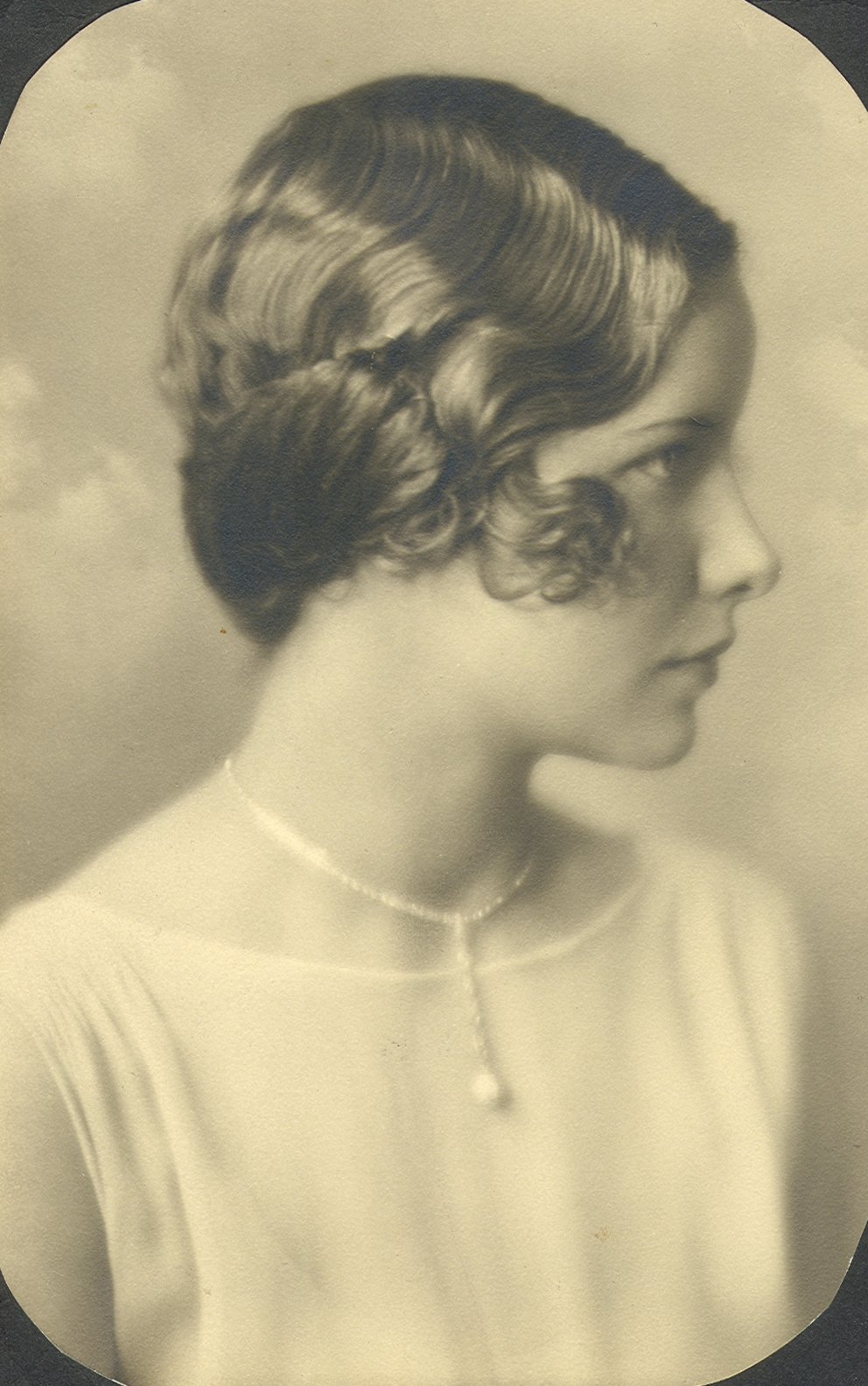
Marcelling is a method of creating uniform curls in hair using heated tongs. Developed by Marcel Grateau in the 1870s, it became a defining look for women in the 1920s. The style offered a structured alternative to natural waves and was often paired with short bob cuts.
- Invented by Marcel Grateau in the 1870s.
- Popularised in the 1920s with bob cuts.
- Uses hot tongs to create uniform waves.
- Josephine Baker was a famous wearer.
- The band the Marcels was named after it.
What it is
Marcelling creates a series of uniform, S-shaped waves in the hair. The result looks similar to finger waves but is achieved through heat rather than setting lotions alone. It was commonly worn with a bob cut, keeping the hair around jaw length. Women with longer locks would often tie their hair at the nape and pin it above the ear. This allowed the marcelled waves to remain visible and neat. The style presents a polished, geometric appearance that frames the face.
Where it comes from
Marcel Grateau, a French inventor and stylist, developed the technique in the 1870s. Records differ on the exact year, citing either 1872 or 1875. He later moved to the United States and adopted the name François Marcel Woelfflé. Grateau secured patents for his tools, including a curling iron in 1905 and an electric waving iron in 1918. The style reached peak popularity during the 1920s. It became a standard look for modern women of that era, often associated with the flapper aesthetic.
What it means
The style represented modernity and sophistication in the early twentieth century. It allowed women to achieve a consistent, manufactured wave pattern that differed from natural texture. Wearing marcelled hair signaled adherence to contemporary fashion trends. It was a professional service, as seen in cultural references to women working as marcellers. The look conveyed a sense of order and deliberate grooming during a period of significant social change for women.
How it is made
The process requires special heated tongs designed for this purpose. The stylist clamps sections of hair between the hot plates of the tool. By rotating the tongs and pulling them through the strand, a curl is induced. This differs from finger waving, which uses hands and setting agents. For longer hair, the ends are often tied back. Pins or decorative flowers may secure the hair above the ear. The heat sets the shape until the next wash.
Who and what it suits
This technique works on various hair types that can hold a heat-set curl. It was particularly popular for those with bobbed haircuts. The structured waves complement the sharp lines of a short cut. It requires hair that can withstand the temperature of the tongs. The style frames the face effectively, drawing attention to facial features. It is less suited for those who prefer low-maintenance or natural textures.
Versions
The primary variation involves the length of the hair. Short bobs display the waves all around the head. Longer styles involve pinning the hair up to showcase the marcelled sections near the face. The electric version of the tool, patented later, offered a different heating method. The visual result remains consistent across these variations, maintaining the signature S-wave pattern.
In culture
The hairstyle appears in several cultural touchstones from the early 1900s. The 1914 song By the Beautiful Sea mentions a character who marcells hair. Keep Young and Beautiful, a hit in 1934, also references the practice. The doo-wop group the Marcels took their name from this style. In cinema, Some Like It Hot features a character complaining about her marcelled hair. Comedian Kenny Everett parodied the style with a character named Marcel Wave.
Questions people ask about Marcelling
Who invented marcelling?
Marcel Grateau is widely credited with inventing the technique in the 1870s. He later emigrated to the United States and patented his curling irons under the name François Marcel.
How is it different from finger waves?
While the appearance is similar, marcelling uses hot curling tongs to create the wave. Finger waves are typically set using fingers and styling products without the application of direct heat from tongs.
What hair length works best?
It was most popular with bob cuts in the 1920s. Women with longer hair would often tie it at the nape and pin it up to display the marcelled waves near the face.
Good reading and sources
The facts on this page come from the Wikipedia article "Marcelling", written by its contributors and used under the CC BY-SA 4.0 licence, and from its Wikidata record (CC0). EveryHairstyle rewrote the text in its own words, with AI assistance, and compares every page with the article to make sure no passage is copied. It may be reused under the same CC BY-SA 4.0 licence with a link back.
It may contain mistakes, and figures change over time. Nothing here is investment or buying advice. If something is wrong, tell us. Last refreshed 2026-11-15.
Like Marcelling
All curls and waves WorldShort hair
A general category for haircuts kept above the shoulders or chin.Cut · Any hair · 1920
 🇺🇸 United StatesFinger wave
S-shaped waves set by hand with comb and gelStyled · Straight hair · 1920
 🇫🇷 France and 2 morePompadour
High-volume hair swept up and back from the forehead.Updo · Any hair · 1950
 🇫🇷 FranceTitus cut
Short layered cut with curls from late 18th-century FranceCut · Curly hair · 1791
More from Josephine Baker
All of them 🇺🇸 United StatesLaid edges
A style arranging fine hair at the hairline into flat decorative waves or swirls.Styled · Fine hair · 1990
 WorldKiss curl
A single lock of hair curled and flattened against the cheek or forehead.Curls · Curly hair