
Natural hair movement
A social and cultural campaign for wearing textured hair without chemical straightening.
The natural hair movement advocates for embracing unmanipulated textured hair as a form of bodily autonomy and anti-discrimination. Originating in the Black pride activism of the 1960s, it gained global digital momentum in the 2000s to challenge Eurocentric beauty standards.
- California passed the CROWN Act in 2019 banning hair discrimination.
- The Afro became a symbol of Black Power in the 1960s.
- Relaxer sales dropped significantly as natural hair grew popular.
- Dreadlocks gained visibility through Rastafarianism and reggae music.
- Online communities expanded the movement globally in the 2000s.
What it is
This movement promotes wearing hair in its inherent state, avoiding chemical relaxers or permanent heat straightening. It encompasses waves, curls, and kinks across various typologies. Styling includes twists, braids, and locs. Participants reject rigid product regimens and align with diverse political views. The term 'nappy' is reclaimed positively, especially in Francophone regions where it blends 'natural' and 'happy'.
Where it comes from
Rooted in African societies where hair signaled identity, slavery stripped this autonomy. Post-abolition, straightening became common for social mobility. The 1960s saw natural styles like the Afro become symbols of Black Power and resistance. Celebrities popularized these looks. The 1970s introduced the Jheri curl, while dreadlocks gained traction via Rastafarianism. A digital resurgence occurred in the 2000s through online communities.
What it means
It asserts bodily autonomy and challenges racial hierarchies. Hair serves as a shared cultural language expressing local identities and shared histories. The movement destigmatizes unmanipulated textures and fights discrimination in professional environments. It reclaims derogatory terms and celebrates African heritage against Eurocentric beauty norms.
How it is made
Individuals wear their hair without chemical alteration. Styles range from afros, which extend outward, to bantu knots, which are twisted rolls. Protective styles like box braids prevent breakage. The 'big chop' involves cutting chemically treated hair to reveal natural texture. Styling relies on mechanical methods rather than harsh chemicals.
Who and what it suits
The movement applies broadly to diverse hair types and heritages. It specifically supports coily, kinky, tight curly, and wavy patterns. Scholars emphasize that principles of autonomy apply to all textures. The focus is on accepting inherent shapes rather than conforming to specific face shapes.
Versions
Variations include the Afro, Bantu knots, box braids, and the big chop. Cultural expressions include 'soul style' and events like CurlFest and Miss Nappy. Legal variants involve anti-discrimination laws like California's CROWN Act. Commercial responses include shifts from relaxers to natural-friendly products.
In culture
Hair has been a site of creativity and political activism. Figures like Angela Davis and Bob Marley linked styles to resistance. Media and capitalism have commodified these looks, leading to appropriation debates. Legal reforms in the US and UK address workplace discrimination. Online platforms amplify voices and share tutorials globally.


Questions people ask about Natural hair movement
What defines natural hair in this movement?
It is hair worn in its inherent state without chemical relaxers or permanent heat straightening. This includes waves, curls, and kinks of various typologies.
When did the movement begin?
It traces origins to Black pride and civil rights activism in the 1960s. Natural hairstyles became symbols of resistance and self-definition during this era.
How does the movement address discrimination?
It advocates for anti-discrimination in professional environments. Laws like California's CROWN Act prohibit bias against natural hairstyles in workplaces and schools.
What role does social media play?
Since Web 2.0, creators share advice via blogs and websites. These platforms expand the movement globally, highlighting beauty and providing tutorials for natural care.
Good reading and sources
- Natural hair movement on WikipediaEncyclopedia
- More photos on Wikimedia CommonsPhotos
- Wikidata recordOpen data
The facts on this page come from the Wikipedia article "Natural hair movement", written by its contributors and used under the CC BY-SA 4.0 licence, and from its Wikidata record (CC0). EveryHairstyle rewrote the text in its own words, with AI assistance, and compares every page with the article to make sure no passage is copied. It may be reused under the same CC BY-SA 4.0 licence with a link back.
It may contain mistakes, and figures change over time. Nothing here is investment or buying advice. If something is wrong, tell us. Last refreshed 2026-11-15.
Like Natural hair movement
All natural and afro 🇺🇸 United StatesAfro
A rounded style of combed-out natural hair.Natural · Coily and kinky hair · 1960
 🇸🇩 Sudan and 4 moreDreadlocks
A hairstyle of rope-like hair strands formed by matting or twisting.Natural · Coily and kinky hair · 1970
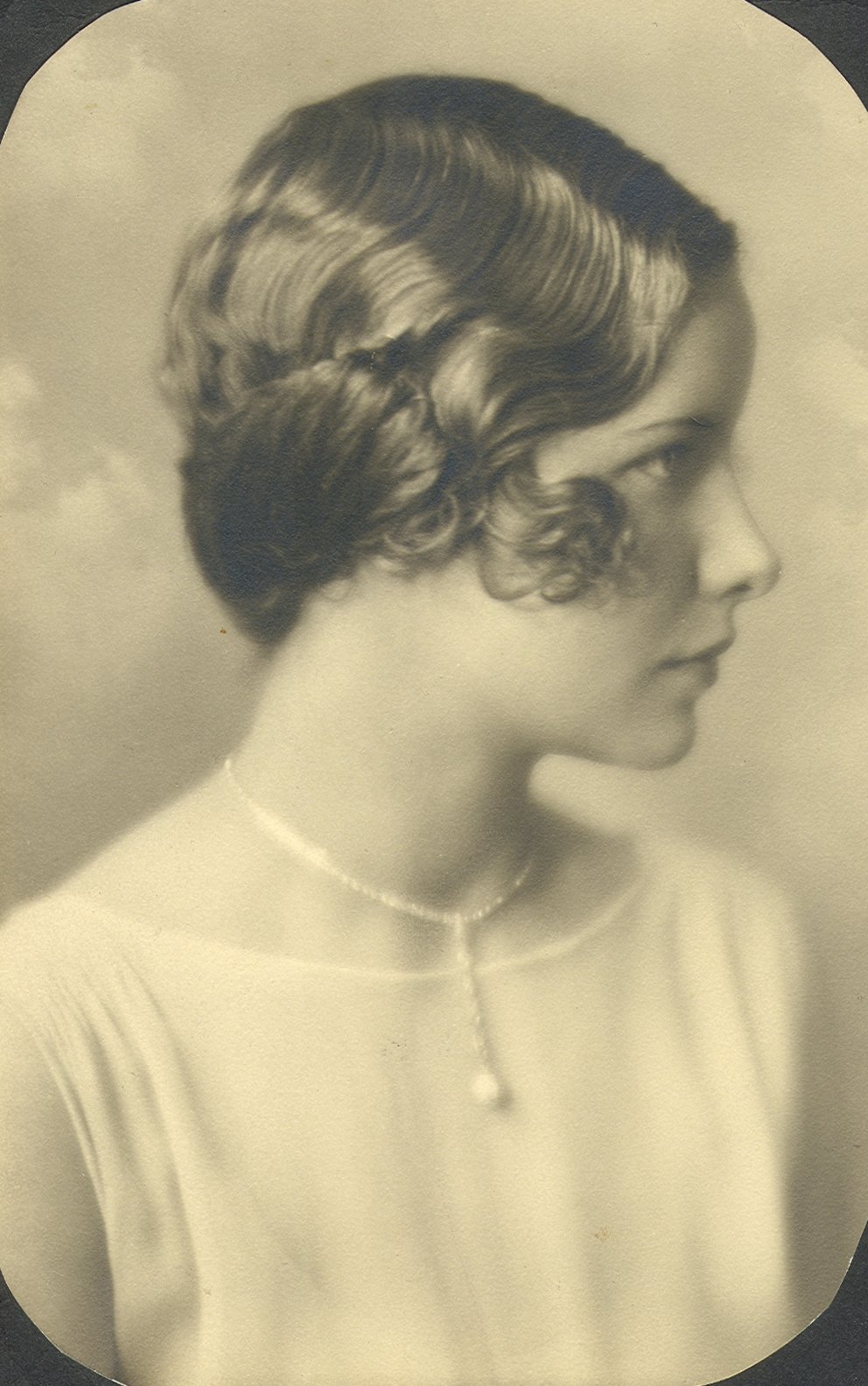 🇺🇸 United StatesFinger wave
S-shaped waves set by hand with comb and gelStyled · Straight hair · 1920
🇬🇧 United KingdomVictory rolls
A 1940s women's hairstyle featuring voluminous side rolls shaped like the letter V.Styled · Straight hair · 1940
