
The Rachel
Voluminous layered cut popularised by Friends
A shoulder-length layered style with outward flicks, created for Jennifer Aniston in 1995. It became a global trend during the Friends era and saw a modern revival in the 2020s.
- Debuted on Friends in 1995
- Created by stylist Chris McMillan
- Revived in 2020s via TikTok
- Requires round brush and blow dryer
- Aniston called it hard to maintain
What it is
This style features voluminous, shoulder-length hair with distinct choppy layers. The strands frame the face and flick outwards at the ends. It often includes chunky highlights that blend from natural roots to lighter tips. The look is defined by its movement and feathered texture, sitting just above the collarbone. It combines elements of both shag and bob cuts, creating a full-bodied silhouette that requires significant styling effort to maintain its shape and volume.
Where it comes from
Hairstylist Chris McMillan designed the cut in 1994 to help Jennifer Aniston grow out her bangs and repair damaged hair. Drawing inspiration from male surfers and model bobs, he created a layered look that debuted on Friends in 1995. It quickly became a global phenomenon, with salons overwhelmed by requests. Aniston wore it for two seasons before growing it out. The style saw a major resurgence in the early 2020s, driven by social media and the Friends reunion special.
What it means
The haircut represents a defining moment in 1990s pop culture, linking television fashion directly to consumer behaviour. It established Jennifer Aniston as a style icon beyond her acting role. For many, it symbolises the era of sitcom influence on daily life. Its recent revival highlights nostalgia for 90s aesthetics. Despite its fame, the creator and wearer have expressed mixed feelings about its high maintenance demands and cultural ubiquity.
How it is made
Stylists cut choppy layers into shoulder-length hair to create volume. Highlights are added from roots to ends for a sun-faded effect. To style, one must use a blow dryer and a round brush to define the outward flicks. Velcro rollers may be used to set the shape. Regular trims are essential to keep the layers sharp. Without professional tools and technique, the hair can appear frizzy rather than sleek.
Who and what it suits
This cut works best on straight or wavy hair textures that can hold a blowout. It frames the face effectively, making it suitable for various face shapes. However, it requires thick enough hair to support the voluminous layers. Those with very fine hair may struggle to achieve the desired body. It demands a commitment to daily styling and regular salon visits for maintenance.
Versions
The Modern Rachel is a softer, longer version with less volume at the crown. It retains the face-framing flicks but allows for more natural movement. Some variations incorporate curtain bangs inspired by Goldie Hawn. Earlier versions featured heavier highlights and more aggressive layering. The contemporary take reduces the bulk while keeping the signature outward turn at the ends.
Questions people ask about The Rachel
Who created The Rachel haircut?
Chris McMillan, a hairstylist in Los Angeles, created the cut for Jennifer Aniston. He designed it to help her grow out her bangs and repair damaged hair, drawing inspiration from surfers and model bobs.
Why is it called The Rachel?
It is named after Rachel Green, the character Jennifer Aniston played on the sitcom Friends. The style became so popular that it was identified by the character's first name rather than a technical hair term.
Is The Rachel hard to maintain?
Yes, it is considered high maintenance. It requires regular trims, a blow dryer, a round brush, and sometimes rollers to achieve the signature flicks. Aniston herself stated she disliked the upkeep involved.
Did The Rachel come back in style?
Yes, it experienced a resurgence in the early 2020s. Social media trends and the Friends reunion special drove renewed interest, with celebrities like Selena Gomez wearing modern, softer versions of the cut.
Good reading and sources
The facts on this page come from the Wikipedia article "The Rachel", written by its contributors and used under the CC BY-SA 4.0 licence, and from its Wikidata record (CC0). EveryHairstyle rewrote the text in its own words, with AI assistance, and compares every page with the article to make sure no passage is copied. It may be reused under the same CC BY-SA 4.0 licence with a link back.
It may contain mistakes, and figures change over time. Nothing here is investment or buying advice. If something is wrong, tell us. Last refreshed 2026-11-15.
Like The Rachel
All cuts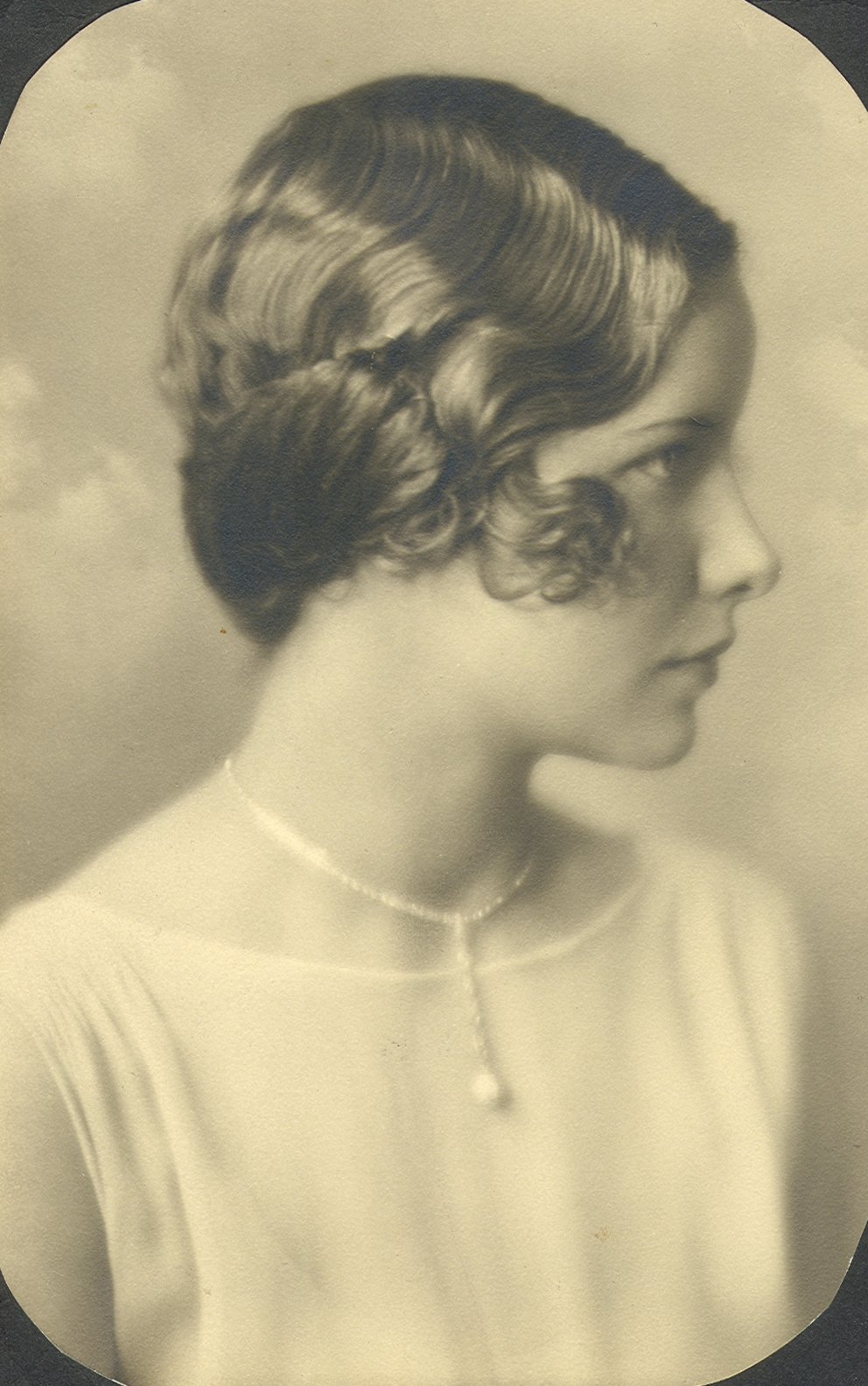 🇺🇸 United StatesFinger wave
S-shaped waves set by hand with comb and gelStyled · Straight hair · 1920
 🇯🇵 JapanSeiko-chan cut
A feathered Japanese idol hairstyle from the 1980s.Cut · Straight hair · 1980
🇰🇷 South KoreaHush cut
A soft, layered haircut from South Korea designed for natural movement and easy styling.Cut · Straight hair · 2023
