
Laid edges
A style arranging fine hair at the hairline into flat decorative waves or swirls.
Laid edges involve styling the fine baby hairs along the hairline into flat, decorative patterns. This practice originated with Black American women and gained widespread popularity in the 1990s through prominent musicians.
- Originated with Black American women inspired by 1920s kiss curls.
- Popularized in the 1990s by musicians like Missy Elliott and Brandy.
- Uses toothbrushes and gel to shape fine hairline hairs into patterns.
- Can help blend lace wigs and extensions naturally.
- Subject to criticism regarding cultural appropriation by non-Black users.
What it is
Laid edges refer to the deliberate arrangement of fine baby hairs along the hairline into flat, decorative waves or swirls. Also known as slayed or swooped edges, this technique transforms loose strands into structured designs. It is primarily worn by women and can be applied to various hairstyles, including braids, ponytails, and afros. The style focuses on the perimeter of the head rather than the main volume of hair.
Where it comes from
The roots of this style trace back to the kiss curls popularized by African American performers like Josephine Baker in the 1920s. Modern laid edges emerged within the African American community during the 1990s. The trend was significantly amplified by music icons such as Chilli from TLC, Ginuwine, Missy Elliott, and Brandy. It remains closely associated with Black cultural expression in America.
What it means
Within its origin community, the style serves as a form of creative self-expression and aesthetic refinement. However, its adoption by non-Black groups has sparked debate. Critics argue that using laid edges alongside other features to mimic Black aesthetics constitutes cultural appropriation or blackfishing, particularly when it commercializes elements of Black women's appearances without acknowledging their origins.
How it is made
Stylists typically use a toothbrush or small bristle brush to apply hair gel or pomade to the fine hairs. The brush shapes the strands into specific patterns, allowing for artistic variation. Decorations like small gems may be added for extra flair. The style is often used to blend wigs or extensions seamlessly with the natural hairline, sometimes requiring the trimming of wig hairs to create baby hairs for styling.
Who and what it suits
This style is designed specifically for fine baby hairs found at the edge of the hairline. It works best with hair types that have soft, thin strands capable of being flattened and held in place by product. It is not intended for thick or coarse hair textures but focuses entirely on the delicate perimeter hairs.
Versions
Finger waves from the 1920s share similarities in their use of gelled waves. The Jheri curl, also popular in the 1990s among African Americans, represents another textured style from the same era. Laid edges are frequently combined with protective styles like braids or used to enhance the natural look of lace wigs and hair extensions.
In culture
The style is deeply embedded in Black American culture and has been featured prominently in 1990s fashion and music. Its visibility increased through high-profile artists who made it a staple of their look. In recent years, the style has entered broader mainstream discourse, leading to discussions about identity, authenticity, and the boundaries of cultural appreciation versus appropriation.
Questions people ask about Laid edges
What are laid edges?
Laid edges are fine baby hairs at the hairline styled into flat, decorative waves or swirls using gel or pomade. They are also called slayed or swooped edges and are a common feature in Black American hairstyles.
How do you lay edges?
Apply hair gel or pomade to a toothbrush or small bristle brush. Gently press and shape the fine hairs along the hairline into desired patterns. Add gems if desired. Reapply if the gel flakes or loses hold.
Where did the style come from?
It originates with Black American women, drawing inspiration from the kiss curls worn by performers like Josephine Baker in the 1920s. It became widely popular in the 1990s within the African American community.
Why is there controversy around laid edges?
Non-Black adoption of the style is sometimes criticized as cultural appropriation or blackfishing. Critics argue it commercializes Black aesthetics when used to create an ambiguous appearance without acknowledging its cultural roots.
Good reading and sources
The facts on this page come from the Wikipedia article "Laid edges", written by its contributors and used under the CC BY-SA 4.0 licence, and from its Wikidata record (CC0). EveryHairstyle rewrote the text in its own words, with AI assistance, and compares every page with the article to make sure no passage is copied. It may be reused under the same CC BY-SA 4.0 licence with a link back.
It may contain mistakes, and figures change over time. Nothing here is investment or buying advice. If something is wrong, tell us. Last refreshed 2026-11-15.
Like Laid edges
All styled and set 🇺🇸 United StatesThe Rachel
Voluminous layered cut popularised by FriendsCut · Straight hair · 1995
 WorldHair crimping
A heat or braid technique creating zig-zag waves in long hair.Styled · Straight hair · 1985
🇺🇸 United States and 1 moreSenegalese twists
Smooth two-strand protective style using synthetic hair.Locs · Any hair · 1984
 🇯🇵 JapanSeiko-chan cut
A feathered Japanese idol hairstyle from the 1980s.Cut · Straight hair · 1980
More from Josephine Baker
All of them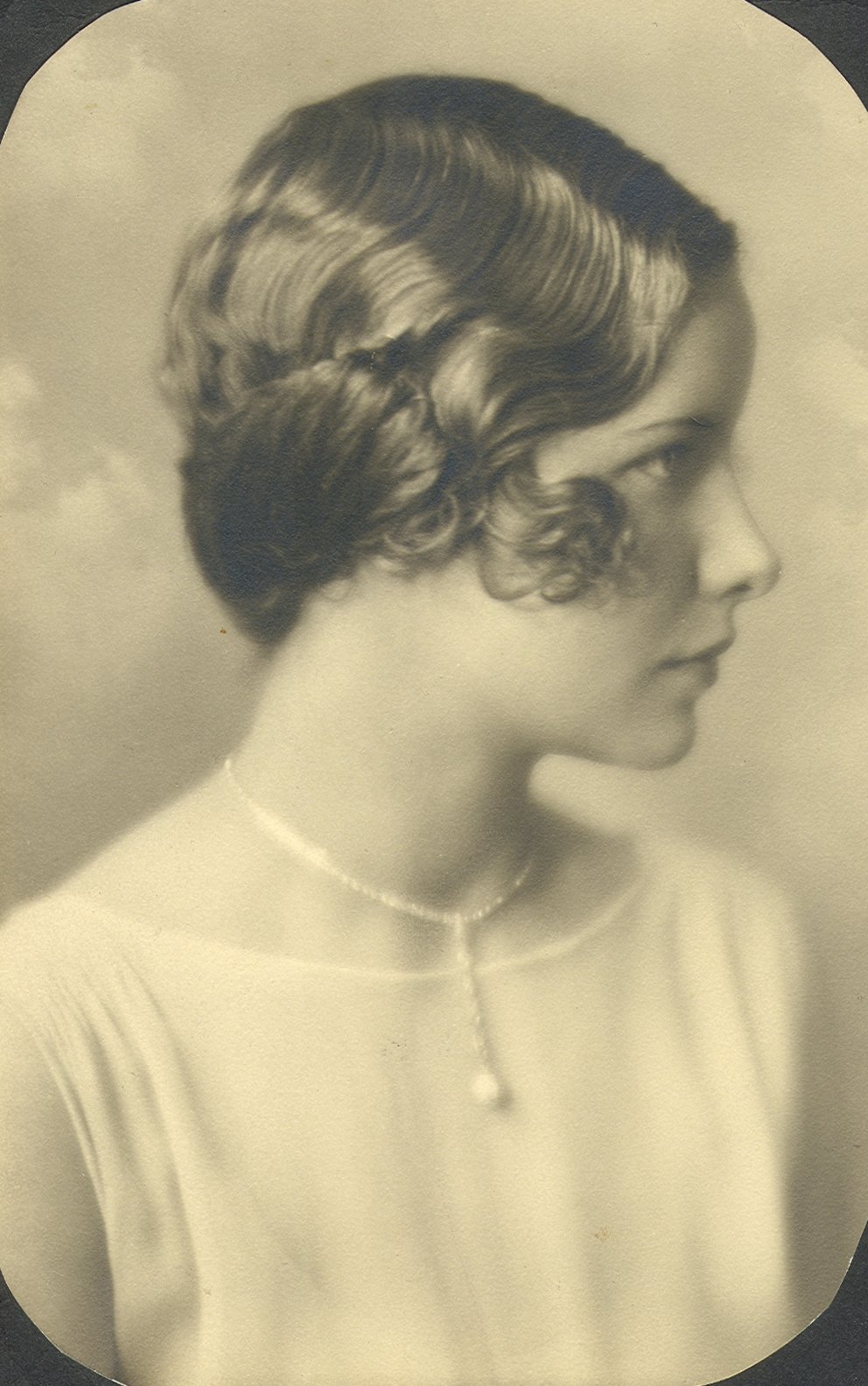 🇺🇸 United StatesFinger wave
S-shaped waves set by hand with comb and gelStyled · Straight hair · 1920
🇬🇧 United KingdomEton crop
A very short, slicked-down women's cut from the 1920s.Cut · Any hair · 1920
 WorldMarcelling
A heat-styled curl technique from the 1870s.Curls · Any hair · 1872
 WorldKiss curl
A single lock of hair curled and flattened against the cheek or forehead.Curls · Curly hair