Victory rolls
A 1940s women's hairstyle featuring voluminous side rolls shaped like the letter V.
Victory rolls are a distinctive women's hairstyle from the 1940s known for large, sausage-shaped curls positioned above the ears. The style gained fame during World War II as a symbol of patriotism and practicality, later experiencing revivals in vintage subcultures and swing dance communities.
- Popularized during World War II as a symbol of patriotism.
- Features large, sausage-shaped rolls above the ears.
- Film stars Ingrid Bergman and Greta Garbo wore the style.
- Namesake theories include aircraft maneuvers and 'V for Victory'.
- Revived today through swing dance and vintage subcultures.
What it is
This hairstyle features large, cylindrical rolls of hair that resemble sausages. The curls are typically positioned on the sides of the head above the ears or on top of the crown. A defining characteristic is the open curl facing forward, creating a distinct shape. The style was primarily worn by women and required significant volume. Variations included single rolls or pairs, sometimes incorporating smaller curls to mimic Morse code dots and dashes associated with victory symbols.
Where it comes from
The style peaked between 1940 and 1945 during World War II. Its name likely derives from the horizontal spinning of aircraft during victory celebrations, the practical need to keep hair away from factory machinery, or the 'V for Victory' campaign popularized in London. Film stars like Ingrid Bergman and Greta Garbo helped cement its status as a beauty ideal. After 1945, smoother styles replaced it until modern revivals in swing dance and vintage parties brought it back.
What it means
Beyond fashion, the style carried strong patriotic weight. It symbolized support for the war effort and the new roles women took on in factories and military service. The practical aspect of securing hair safely around dangerous equipment reinforced its association with diligence and national duty. The visual link to victory signals and aircraft maneuvers further embedded it in the cultural narrative of triumph and resilience during the conflict.
How it is made
Creating the look involves several steps. First, hair is backcombed at the roots to build volume. Then, sections are rolled into cylindrical shapes using pins to hold them in place. Hair spray is applied to maintain the structure. The rolls can be placed above the ears to frame the face or centered on top. Women with thinner faces often positioned the rolls in front of their ears to create width. Achieving a sleek finish required either professional salon services or careful home styling with wigs.
Who and what it suits
Placing the rolls in front of the ears can make thinner faces appear wider. It suits women who desire a dramatic, voluminous look aligned with 1940s beauty standards. The technique relies on backcombing, which adds body, making it adaptable for different hair densities if sufficient product and skill are used.
Versions
Variations included single rolls versus pairs. Some designs incorporated three small curls representing dots and one long curl for a dash, mimicking telegraph codes. Other styles featured a 'V' shape in the parting itself. The bottom of the 'V' could start at the nape of the neck and sweep up toward the temples. These variations maintained the core element of the prominent side roll while altering placement and decorative details.
In culture
The style is deeply tied to pin-up culture and mid-century femininity. It appears in modern artistic homages, such as those by designer Paulo Persil, who recreated 1940s looks in 2016. Beauty salons occasionally collaborate with photographers to produce vintage-inspired lingerie imagery. The aesthetic remains popular within swing dance communities and themed events, preserving its connection to the social history of the 1940s.
Questions people ask about Victory rolls
Why were victory rolls called that?
Theories suggest the name comes from aircraft spinning horizontally in victory, the 'V for Victory' campaign, or the visual 'V' shape of the curls. It also reflected women's patriotic support during the war.
How do you achieve the volume?
Women used backcombing to add bulk at the roots. Sections were then rolled, pinned, and sprayed to hold the cylindrical shape. This created the signature voluminous look above the ears.
Who made this hairstyle famous?
Actresses Ingrid Bergman and Greta Garbo popularized the style. Pin-up models also embodied the look, linking it to 1940s beauty ideals and wartime morale.
Is it still worn today?
Yes, it has seen resurgence in the 21st century. It is common in swing dance scenes, vintage-themed parties, and modern artistic homages to mid-century fashion.
Good reading and sources
- Victory rolls on WikipediaEncyclopedia
- More photos on Wikimedia CommonsPhotos
- Wikidata recordOpen data
The facts on this page come from the Wikipedia article "Victory rolls", written by its contributors and used under the CC BY-SA 4.0 licence, and from its Wikidata record (CC0). EveryHairstyle rewrote the text in its own words, with AI assistance, and compares every page with the article to make sure no passage is copied. It may be reused under the same CC BY-SA 4.0 licence with a link back.
It may contain mistakes, and figures change over time. Nothing here is investment or buying advice. If something is wrong, tell us. Last refreshed 2026-11-15.
Like Victory rolls
All styled and set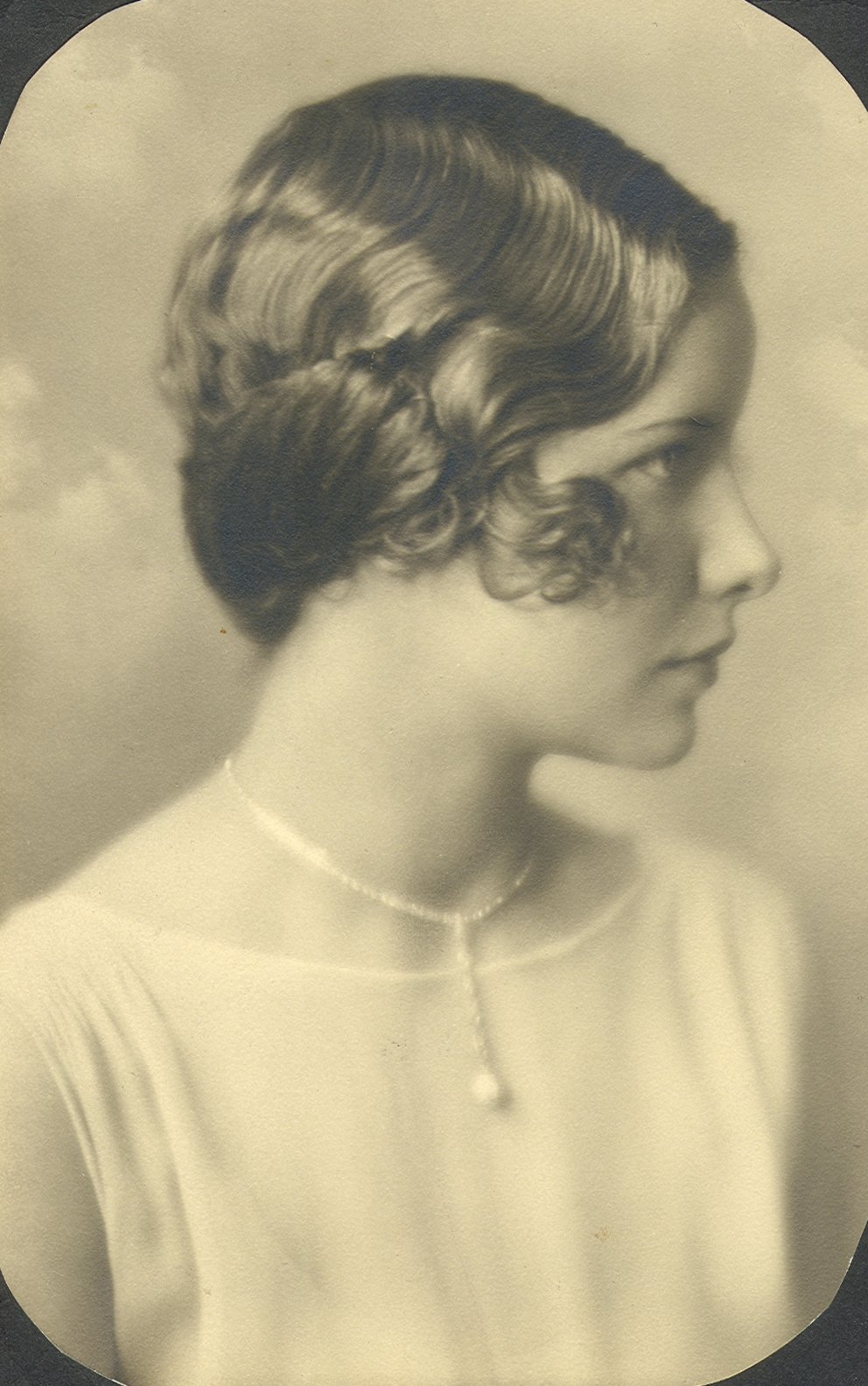 🇺🇸 United StatesFinger wave
S-shaped waves set by hand with comb and gelStyled · Straight hair · 1920
 🇺🇸 United States and 3 moreNatural hair movement
A social and cultural campaign for wearing textured hair without chemical straightening.Natural · Coily and kinky hair · 1960
 🇯🇵 JapanNihongami
Traditional Japanese hairstyles characterized by elaborate updos, side wings, and wax styling.Updo · Straight hair
 🇺🇸 United States and 1 moreDucktail
A 1950s men's cut with a central rear parting.Cut · Straight hair · 1950