
Big hair
A hairstyle style defined by large volume and significant space around the head.
Big hair refers to hairstyles that create substantial volume above and around the head. The term emerged in the late 1970s as these styles gained widespread popularity across various decades and cultures.
- The term originated in the late 1970s.
- Actresses like Raquel Welch popularized it in the 1960s.
- Madonna made it iconic in the mid-1980s.
- Backcombing and hairspray are key styling tools.
- Natural volume can lead to school discrimination cases.
What it is
This style focuses on creating maximum volume, making the hair occupy a large amount of space above and around the head. It can be achieved through artificial means like backcombing or may occur naturally in people with curly textures. The look is often associated with exaggerated femininity and has been worn by women, men, and performers in subcultures like glam rock and drag.
Where it comes from
The label originated in the late 1970s during a period of rising popularity. Actresses such as Raquel Welch and Jane Fonda popularized the look in the 1960s and 1970s. Farrah Fawcett became an icon through her swimsuit poster. The trend persisted in southern US subcultures and country music. In the 1980s, it expanded to men and was embraced by glam rock and alternative scenes. Brooke Shields influenced early 1980s fashion, while Madonna cemented its status mid-decade.
What it means
The style represents exaggerated stereotypical femininity, particularly in drag performance. For some, it is seen as artificial or trendy. However, for those with naturally voluminous hair, it is simply their default state. This distinction has led to misunderstandings and discrimination, where natural textures are unfairly labeled as distracting or odd in communities dominated by straight hair types.
How it is made
Artificial big hair typically requires specific techniques to achieve height and body. Stylists use backcombing or teasing to lift the roots. Styling aids like hair spray, mousse, or gel are applied liberally to hold the shape. Hair dryers are used to set the volume. Additional methods include crimping irons, perms, and rollers to add texture and fullness to the strands.
Who and what it suits
Naturally voluminous hair, found in about sixty percent of the global population with curly textures, achieves this look without effort. Straight hair requires significant styling intervention to mimic this effect. The style is noted for its visual impact rather than suitability for specific face shapes.
Versions
Related styles include the beehive and afros. The look appears in Japanese street fashions like Harajuku and ganguro. It is also linked to the natural hair movement, which celebrates unaltered textures. Frizz is mentioned as a related concept regarding volume and texture management.
In culture
The style features prominently in film and music history. It is tied to glam rock, hair metal, goth, and alternative cultures. Drag queens use it to emphasize gender performance. Socially, it intersects with debates on hair discrimination, such as the case of Vanessa VanDyke facing expulsion for natural volume. Children's literature like Big Hair, Don't Care addresses self-esteem issues related to this appearance.

Questions people ask about Big hair
What defines big hair?
It is a hairstyle emphasizing large volume, occupying significant space above and around the head. It can be created artificially or occur naturally in curly hair types.
Who made big hair famous?
Icons include Raquel Welch, Brigitte Bardot, Farrah Fawcett, Brooke Shields, and Madonna. It is also associated with glam rock musicians and drag performers.
How is big hair styled?
Techniques involve backcombing or teasing roots. Stylists apply liberal amounts of hair spray, mousse, or gel. Dryers, crimping irons, and rollers help set the volume.
Is big hair only artificial?
No. About sixty percent of people have naturally curly hair that provides volume without styling. This natural state is sometimes mistaken for a deliberate fashion choice.
Has big hair caused controversy?
Yes. Natural volume has led to discrimination. For example, a student faced expulsion threats because officials called her natural hair a distraction. Some view it as an oddity in straight-haired communities.
Good reading and sources
The facts on this page come from the Wikipedia article "Big hair", written by its contributors and used under the CC BY-SA 4.0 licence, and from its Wikidata record (CC0). EveryHairstyle rewrote the text in its own words, with AI assistance, and compares every page with the article to make sure no passage is copied. It may be reused under the same CC BY-SA 4.0 licence with a link back.
It may contain mistakes, and figures change over time. Nothing here is investment or buying advice. If something is wrong, tell us. Last refreshed 2026-11-15.
Like Big hair
All styled and set 🇫🇷 France and 2 morePompadour
High-volume hair swept up and back from the forehead.Updo · Any hair · 1950
 🇺🇸 United States and 1 moreSurfer hair
Tousled, sun-bleached locks from the sea.Styled · Wavy hair · 1950
 🇺🇸 United StatesFinger wave
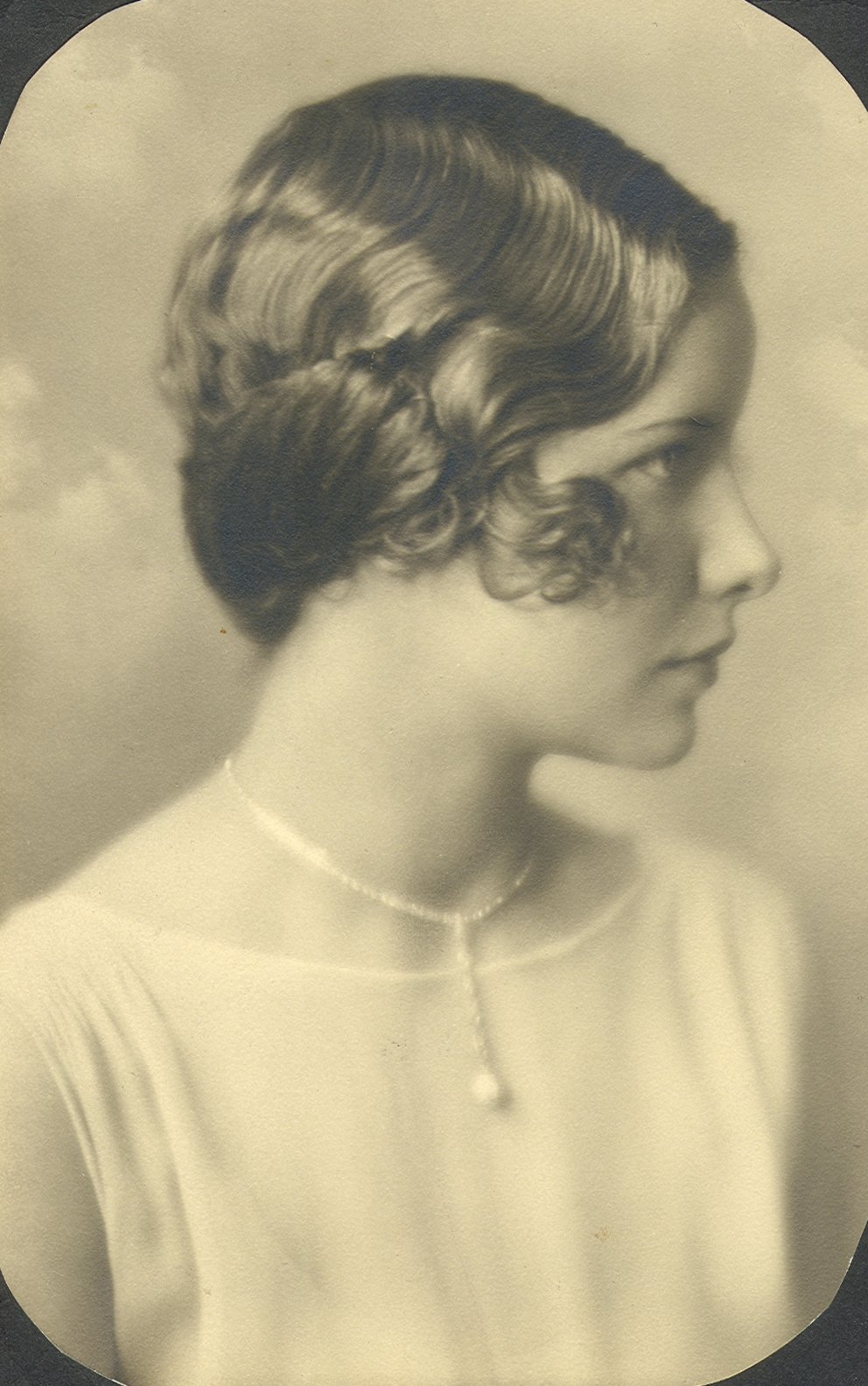
S-shaped waves set by hand with comb and gelStyled · Straight hair · 1920
 WorldWings
A layered cut where side hair flips out like wings.Cut · Wavy hair · 1830
