
Daenggi
A traditional Korean ribbon used to tie and decorate braided hair.
The daenggi is a decorative ribbon from Korea that secures braided hairstyles. Historical records from the Baekje era describe its use by maidens and married women, while later Joseon court ladies wore specific types like negadak daenggi.
- A traditional Korean ribbon for braided hair.
- Used by Baekje maidens and married women.
- Court ladies wore negadak and patip types.
- Ceremonial versions include tteoguji and maegae.
- Reflects social status and age.
What it is
This item is a ribbon originating from Korea. It serves to fasten and embellish hair that has been plaited into braids. The accessory varies based on the wearer's age, social standing, and the specific occasion. Different styles exist for ceremonies and daily wear among nobility.
Where it comes from
Ancient texts such as the History of Northern Dynasties document early practices in the Baekje kingdom. Young unmarried women tied their hair at the back before braiding it. Married females created two plaits and secured them to the top of their heads. During the Joseon dynasty, court ladies known as kungnyeo utilized specific ribbons like negadak and patip varieties.
What it means
The choice of ribbon reflected the wearer's status and life stage. Ceremonial types included tteoguji, maegae, doturak, and deurim variants. Other forms such as jebiburi, doturank, jjok, and malttuk served different functions. Social hierarchy dictated which patterns were appropriate for court officials versus general populations.
How it is made
The ribbon is wrapped around sections of braided hair to hold them in place. It acts as both a functional fastener and a visual decoration. The method involves securing the plaited strands against the scalp or allowing them to hang freely depending on the desired look.
Versions
Multiple categories exist based on purpose. Ceremonial options include tteoguji, maegae, doturak, and deurim. Everyday or other uses feature jebiburi, doturank, jjok, and malttuk. Court ladies specifically employed negadak and patip designs during the Joseon era.
In culture
The practice is rooted in Korean tradition and historical dress codes. It appears alongside hanbok and hwarot in cultural contexts. The style connects to broader East Asian aesthetics through its use in formal attire and ceremonial gatherings.
Questions people ask about Daenggi
What is a daenggi?
It is a traditional Korean ribbon used to tie up and decorate braided hair. Various types exist for different ages, social statuses, and ceremonial purposes.
Who wore daenggi historically?
Maidens in Baekje bound their hair at the back. Married women secured two plaits to the crown. Joseon court ladies used specific types like negadak and patip.
Are there different types of daenggi?
Yes. Ceremonial ones include tteoguji, maegae, doturak, and deurim. Others are jebiburi, doturank, jjok, and malttuk. Court ladies used negadak and patip.
Good reading and sources
The facts on this page come from the Wikipedia article "Daenggi", written by its contributors and used under the CC BY-SA 4.0 licence, and from its Wikidata record (CC0). EveryHairstyle rewrote the text in its own words, with AI assistance, and compares every page with the article to make sure no passage is copied. It may be reused under the same CC BY-SA 4.0 licence with a link back.
It may contain mistakes, and figures change over time. Nothing here is investment or buying advice. If something is wrong, tell us. Last refreshed 2026-11-15.
Like Daenggi
All adorned 🇨🇳 China and 1 moreBuyao
A Chinese hairpin with dangling ornaments that sway when the wearer moves.Adorned · Any hair
 🇪🇸 SpainPeineta
Large decorative comb worn under a lace veilAdorned · Any hair · 1800
 🇮🇳 IndiaPunjabi paranda
A multicoloured silk braid extension from Punjab.Adorned · Any hair
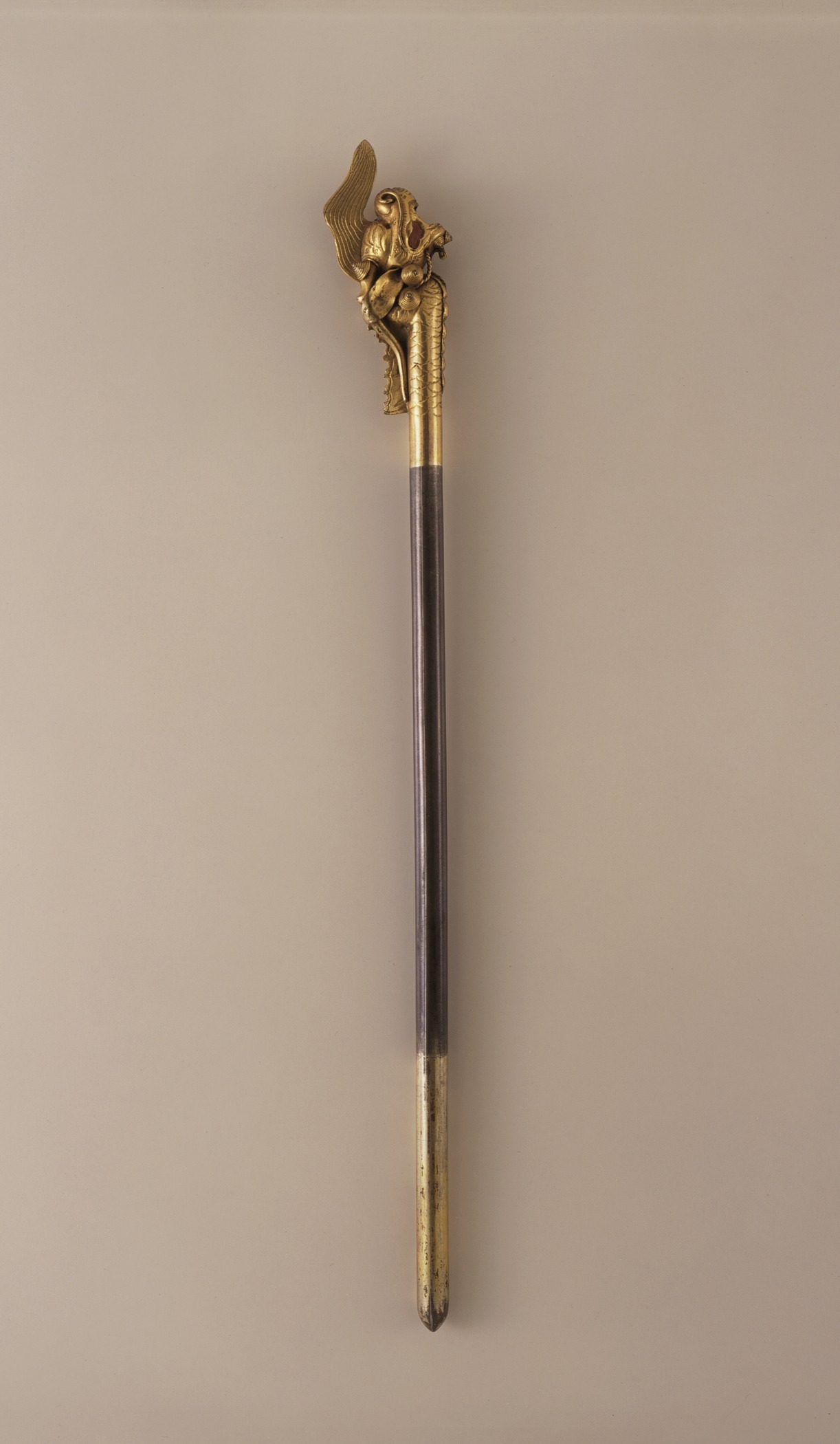 🇰🇷 South KoreaBinyeo
A traditional Korean hairpin used to secure chignons and signal social status.Adorned