
Sangtu
Traditional Korean topknot worn by married men.
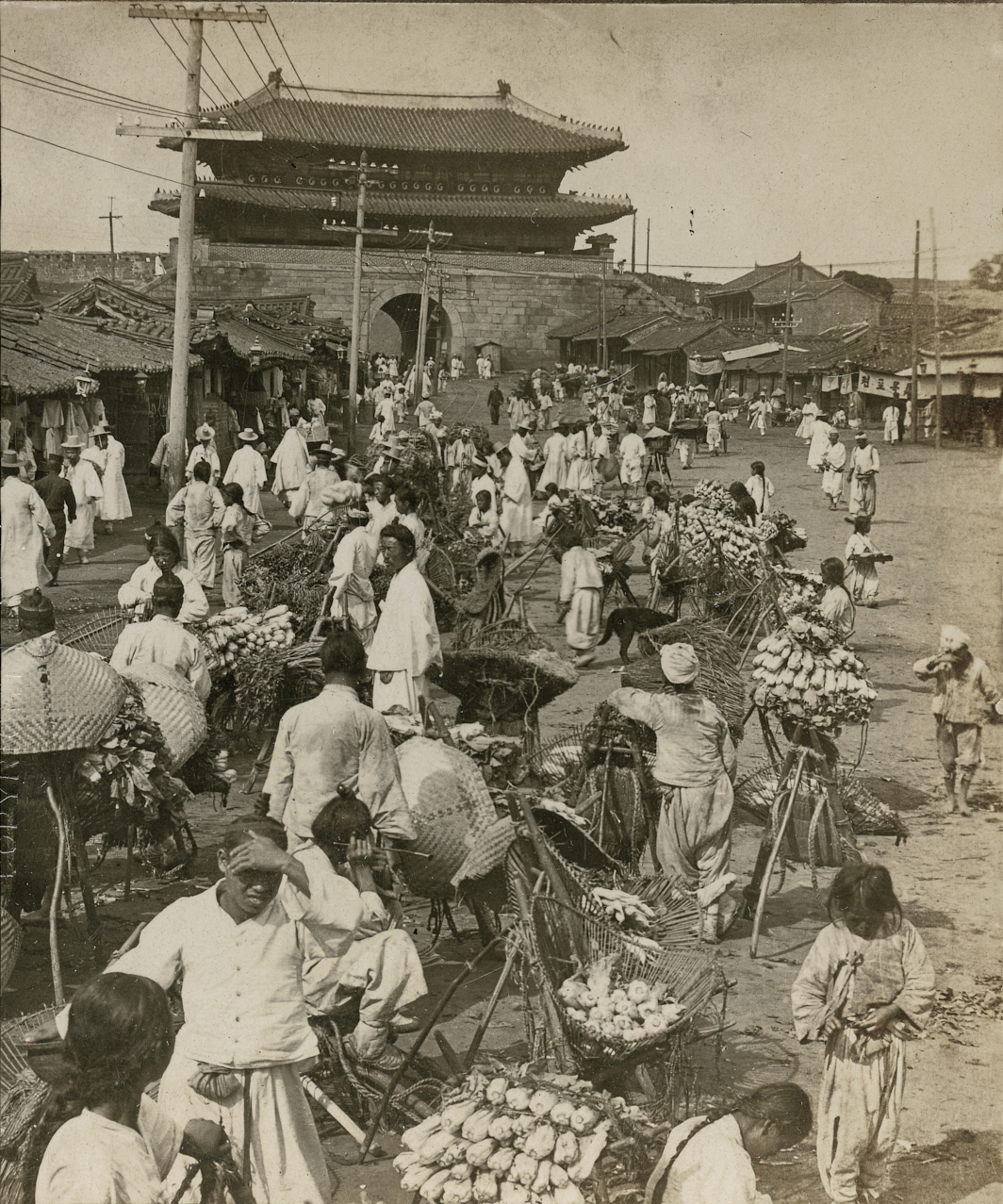
The sangtu was a topknot hairstyle worn by married Korean men from the Three Kingdoms period until the late 19th century. It signified adult male status and honour, with its removal during Westernisation reforms causing significant social unrest.
- Worn by married Korean men from 57 BC to late 19th century.
- Signified adult status and ancestral recognition.
- Banned in 1895 via Short Hair Ordinance.
- King Gojong's topknot was cut by a Japanese barber.
- Protests against cutting led to temporary policy reversal.
What it is
The sangtu is a traditional Korean hairstyle where the hair on the crown of the head is shaved, and the remaining hair is combed upwards into a knot. It was exclusively worn by married men, serving as a visual marker of adult male status and social standing. Unmarried men, regardless of age, did not wear this style and were often treated with less respect. The size and shape of the knot varied, with officials wearing smaller versions under hats and merchants sporting larger ones.
Where it comes from
Evidence suggests the style existed during the Three Kingdoms period (57 BC–668 AD), appearing in Goguryeo tomb murals and Silla pottery. During the Goryeo dynasty, citizens from the king to commoners wore hats over their topknots. In the Joseon dynasty, it became essential for male honour. The practice ended in the late 19th century when the Short Hair Ordinance of 1895 banned it as part of Westernisation efforts, leading to fierce resistance and forced removals.
What it means
The sangtu was deeply tied to Confucian values of family and ancestry. Wearing it meant a man was recognised by ancestral spirits and could participate in family rites. Without it, a man was not considered an adult or worthy of respect. Cutting the topknot was viewed as emasculation. Even young boys who married were treated as adults if they wore the knot, while unmarried older men faced social contempt.
How it is made
To create a sangtu, the hair on the very top of the head was shaved off to help dissipate heat. The remaining hair was then combed upwards and tied into a knot. This process distinguished married men from unmarried ones. The shaving required regular maintenance to keep the crown bare, while the rest of the hair was kept long enough to form the bun.
Who and what it suits
The style was worn by men of all social classes in Korea, from kings to commoners, provided they were married. It was not dependent on specific face shapes but rather on marital status and gender. The shaving of the crown was practical for heat regulation, making it suitable for the climate. It was unsuitable for unmarried men, who risked social stigma if they attempted to mimic the look.
Versions
Variations included the size of the knot and whether a hat was worn over it. Officials typically wore smaller topknots under their hats, while merchants and commoners might wear larger ones without head coverings. During the Mongol influence in the 13th century, some officials adopted a queue style, but the traditional topknot returned after the Yuan Dynasty fell. Some unmarried men falsely wore them to avoid discrimination.
In culture
The decline of the sangtu caused significant social disruption. When King Gojong’s topknot was cut in 1895, many Koreans wept and protested. Merchants refused to enter Seoul, causing supply shortages and price hikes. The government eventually made haircutting voluntary to prevent starvation. The forced removal of topknots was seen as a loss of dignity and identity, marking a painful transition in Korean history.


Questions people ask about Sangtu
Who was allowed to wear the sangtu?
Only married men were permitted to wear the sangtu. It was a strict social marker that distinguished adults from unmarried individuals, regardless of age. Unmarried men who wore it faced social contempt, while married boys were treated as adults.
Why was the crown of the head shaved?
The hair on the crown was shaved to help dissipate heat. Without this shaving, the heat buildup under the tied hair was considered unbearable. This practical aspect helped make the style viable in the Korean climate.
What happened when the sangtu was banned?
The 1895 ban caused widespread protest. Merchants refused to enter Seoul, leading to supply shortages. The government temporarily made haircutting voluntary to prevent starvation. Many Koreans viewed the cutting as emasculation and a loss of honour.
Good reading and sources
The facts on this page come from the Wikipedia article "Sangtu (topknot)", written by its contributors and used under the CC BY-SA 4.0 licence, and from its Wikidata record (CC0). EveryHairstyle rewrote the text in its own words, with AI assistance, and compares every page with the article to make sure no passage is copied. It may be reused under the same CC BY-SA 4.0 licence with a link back.
It may contain mistakes, and figures change over time. Nothing here is investment or buying advice. If something is wrong, tell us. Last refreshed 2026-11-15.
Like Sangtu
All buns and updos WorldBun
A hairstyle where hair is gathered and coiled into a circular shape on the head.Updo · Any hair
 🇫🇷 France and 2 morePompadour
High-volume hair swept up and back from the forehead.Updo · Any hair · 1950
 🇨🇳 ChinaChinese hairpin
Traditional Chinese hair ornaments used to secure buns and signify status.Adorned · Any hair
 WorldChignon
A knotted hairstyle worn at the nape or back of the head.Updo · Any hair