
Binyeo
A traditional Korean hairpin used to secure chignons and signal social status.
The binyeo is a classic Korean hair accessory designed to hold women's chignons in place while acting as a visible marker of rank. Originally developed during the Three Kingdoms Era, it replaced heavier wigs known as gachae to reduce physical strain on wearers.
- Replaced heavy gachae wigs to prevent neck injuries.
- Used in the gyerye coming-of-age ceremony for girls.
- Comes in two main shapes: jam and chae.
- Widows wore wooden binyeo for three years of mourning.
- Traced back to the Three Kingdoms Era in Korea.
What it is
A binyeo functions as both a practical fastener and a decorative ornament for the hair. It typically secures a chignon or topknot, though designs vary by material and shape. The two primary forms are the jam, which features a long straight body, and the chae, which has an upturned U-shape. While primarily associated with women, men also utilized these pins to maintain their sangtu topknots. The specific type worn often indicated the wearer's social standing and marital status within historical Korean society.
Where it comes from
Historical records trace the use of binyeo back to the Three Kingdoms Era, where they accompanied Goryeo-era hairstyles. Their usage became more formalized during the Joseon Dynasty under King Yeongjo. Prior to this, married women wore heavy wigs called gachae to display status, but these caused neck injuries. To address health concerns and curb excessive spending, the lighter binyeo replaced the gachae. Regulations during the Joseon period restricted the use of precious metals like gold and silver, emphasizing simplicity and sophistication in design.
What it means
The binyeo served as a clear indicator of social hierarchy and personal milestones. During the gyerye coming-of-age ceremony, girls received their first binyeo, marking their transition to adulthood. For married women, it symbolized their union, often gifted by a husband or suitor. In times of mourning, widows would remove their ornate pins, letting their hair fall to express grief over their parents' death. After three days, they would replace it with a simple wooden binyeo for a three-year mourning period, demonstrating respect and discretion.
How it is made
To use a binyeo, one gathers the hair into a chignon or topknot. The pin is then inserted through the styled hair to lock it securely against the head. Different types serve specific functions; some are designed solely to hold the hair structure, while others support additional accessories like hwagwan or jokduri flower cornets. The choice of material and shape determines whether the pin is suitable for daily wear, formal occasions, or seasonal rituals.
Versions
The style includes distinct variations based on form and function. The jam is characterized by its long, single-body structure, whereas the chae features a distinctive U-shaped curve. Some versions were crafted specifically to anchor flower cornets such as hwagwan or jokduri onto the head. Materials ranged from common woods to precious metals, with regulations dictating which classes could wear specific substances. These variations allowed for differentiation between daily use, formal events, and age-specific requirements.
In culture
In Korean culture, the binyeo is deeply tied to rites of passage and social order. It appears in the ascension myth Chiwondae Yangsanbok, where it acts as a medium for lovers to meet. Historically, it reflected the rigid class structures of the Joseon Dynasty, where clothing and accessories were strictly regulated by Confucian ideals. The shift from gachae to binyeo highlights societal efforts to promote frugality and public health. Today, it remains a recognized symbol of traditional Korean heritage and feminine identity.
Questions people ask about Binyeo
What is the difference between a jam and a chae?
A jam features a long, straight body, while a chae has an upturned U-shape. Both are types of binyeo used to secure hair, but their structural differences define their classification.
Why did binyeo replace gachae?
Gachae were heavy wigs that caused neck injuries and were expensive. The binyeo was adopted to reduce physical strain on women and to encourage frugality by eliminating costly wig maintenance.
Who wore binyeo historically?
Primarily women, who used them for chignons. Men also wore them to secure their sangtu topknots before strict Confucian dress codes limited male accessories during the Joseon Dynasty.
What does a binyeo signify in marriage?
It serves as a symbol of being a married woman. It is often given as a gift from a husband or suitor, marking the wearer's new social status and commitment within the family structure.
Good reading and sources
The facts on this page come from the Wikipedia article "Binyeo", written by its contributors and used under the CC BY-SA 4.0 licence, and from its Wikidata record (CC0). EveryHairstyle rewrote the text in its own words, with AI assistance, and compares every page with the article to make sure no passage is copied. It may be reused under the same CC BY-SA 4.0 licence with a link back.
It may contain mistakes, and figures change over time. Nothing here is investment or buying advice. If something is wrong, tell us. Last refreshed 2026-11-15.
Like Binyeo
All adorned 🇨🇳 ChinaChinese hairpin
Traditional Chinese hair ornaments used to secure buns and signify status.Adorned · Any hair
 🇺🇦 UkraineUkrainian wreath
Traditional floral headdress for Ukrainian girls and unmarried womenWrapped · Any hair
🇰🇷 South KoreaHwagwan
Elaborate Korean ceremonial coronet for womenWrapped · Any hair
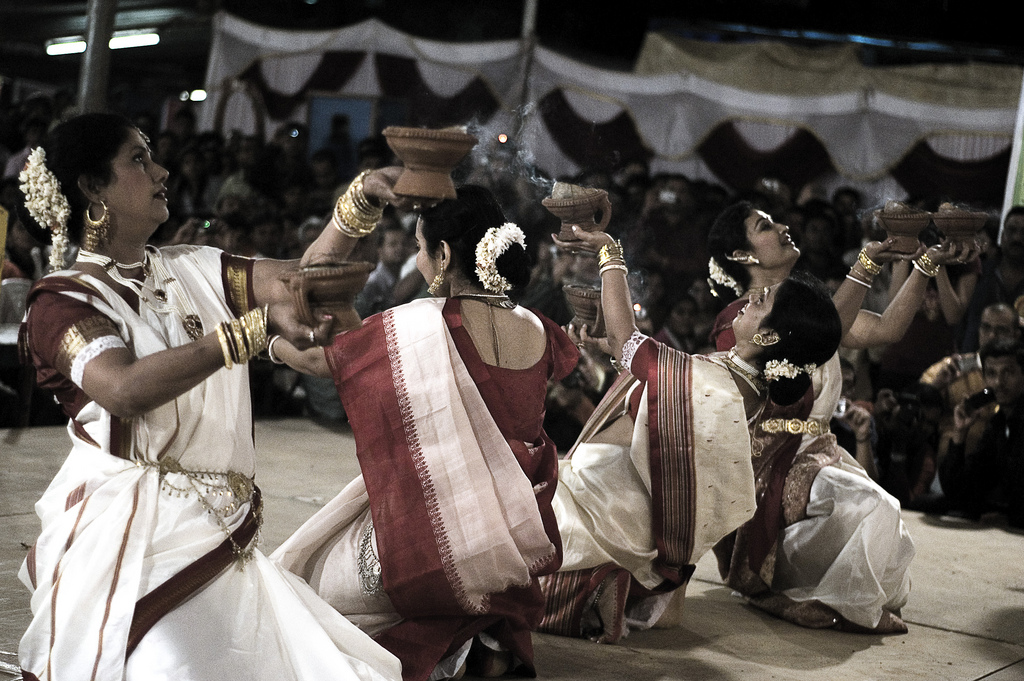 🇮🇳 India and 4 moreGajra
Flower garland worn in the hair or on the wristAdorned · Any hair