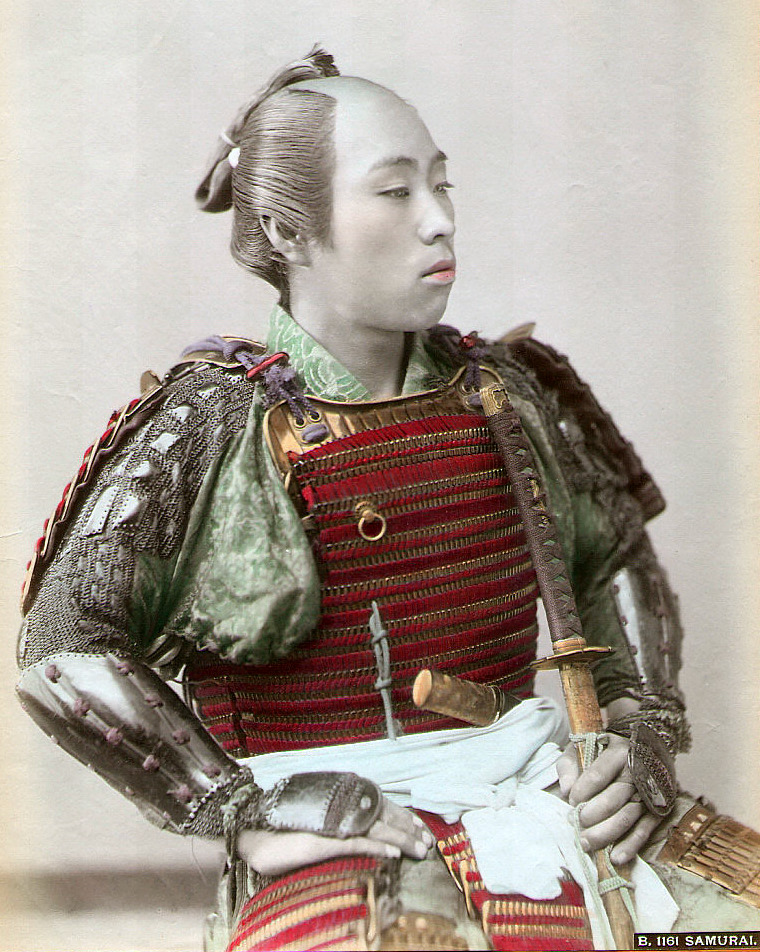
Nihongami
Traditional Japanese hairstyles featuring structured wings and topknots, worn by women in historical periods and by geis
Nihongami refers to a collection of traditional Japanese hairstyles defined by their complex construction and social significance. Most styles feature side wings curving into a topknot, shaped with wax and combs. While largely replaced by modern fashion, these looks remain essential for geisha, maiko, and kabuki theatre.
- Styles use wax and wire to create rigid, sculpted shapes.
- Side wings curve up to form a central topknot.
- Maiko change hairstyles five times during apprenticeship.
- Geisha wear pre-styled wigs to reduce maintenance.
- Utamaro depicted popular Edo period hairstyles in prints.
What it is
Nihongami encompasses various traditional Japanese hairstyles characterized by distinctive structural elements. The most common form features two side 'wings' that curve upward toward the back of the head to form a topknot. A long loop of hair is often drawn into this knot as well. These styles are heavily accessorized, with the combination of the cut and ornaments indicating the wearer's gender, age, occupation, and social rank. Historically, they were stiffened with wax and styled with specialized combs, creating a rigid, sculpted appearance that differed significantly from natural hair flow.
Where it comes from
Early Japanese noblewomen in the 7th century adopted high, boxy styles inspired by Chinese fashion, known as keppatsu. By the Heian period, this shifted to long, loose hair called suberakashi. During the Edo period, trends moved toward elaborate upswept styles with buns and side wings, originating among courtesans and actors before becoming widespread among merchants' wives. Many specific styles, such as the shimada, developed during this era. After World War II, the number of traditional stylists dwindled, leading to changes in how maiko and geisha wear these historic looks, with many original methods now preserved only within specific cultural communities.
What it means
These hairstyles served as visual markers of social identity. Variations in style denoted the wearer's age, marital status, and professional role. For instance, different hairstyles marked stages in a maiko's apprenticeship, while specific cuts distinguished geisha from brides. The complexity and ornamentation reflected social standing and adherence to cultural norms. Today, wearing nihongami signifies a connection to traditional Japanese performing arts and heritage, particularly within the geisha and kabuki communities.
How it is made
Styling begins by dividing the hair into five sections: front fringe, two side wings, a topknot, and a nape loop. Each section is directed toward the central topknot. Traditional boxwood or bamboo combs are used to shape the hair, which is then secured with wax. Waxed hair extensions, typically made of yak hair, add volume and structure. Wire cords hold the style in place, and additional combs maintain the shape against dust and dirt. The process is meticulous, often requiring weekly restyling unless a wig is worn.
Who and what it suits
The styles require long, straight hair to achieve the necessary volume and smoothness. Heated tongs were traditionally used to straighten the hair before styling. The final look is customized to complement the individual's face shape, meaning no two geisha wigs appear identical. The rigid structure accommodates various face types by adjusting the placement of the topknot and the width of the side wings.
Versions
Key variations include the shimada, worn by teenagers and geisha, and the takashimada, reserved for brides. Maiko progress through several styles like wareshinobu and sakkō as they advance in seniority. Other forms include the tsubushi shimada, a flattened version for older geisha, and the kinshōjo, worn by high-class courtesans. Each variant adjusts the size, position, and decoration of the topknot and side wings to suit specific roles and occasions.
In culture
Nihongami is deeply embedded in Japanese performing arts. Kabuki plays frequently reproduce Edo period hairstyles, preserving them on stage. Ukiyo-e artists like Utamaro documented popular trends, capturing the aesthetic of the time. In contemporary Japan, the styles are primarily maintained by geisha and maiko, serving as a living link to historical fashion. Re-enactors and tayū also keep these traditions alive, ensuring the techniques and aesthetics survive beyond the historical record.


Questions people ask about Nihongami
What tools are used to style nihongami?
Traditional stylists use specially carved bamboo or boxwood combs. They apply abura wax to harden the hair and use wire cords called mottoi to secure the structure. Heated tongs straighten the hair before shaping, and yak hair extensions add volume where needed.
How do geisha hairstyles differ from bridal ones?
Geisha wear custom-fitted wigs styled to suit their individual faces, resulting in unique variations. Bridal shimada styles are typically pre-styled rented wigs with fuller, more uniform features. Geisha wigs have smaller, less rounded side wings and a thinner topknot compared to the bride's voluminous look.
Why did maiko hairstyles change after WWII?
The number of hairstylists knowledgeable enough to create traditional maiko styles declined significantly after the war. Consequently, the hairstyles were redeveloped to be more manageable. This shift led to the current variations seen across different districts, differing from the longer, less voluminous styles of the past.
What is the significance of the shimada style?
The shimada originated in the Edo period and became a basis for many popular hairstyles. It is worn by teenage girls, geisha, and brides. Different versions, like the tsubushi shimada for older geisha or the takashimada for weddings, adapt the core structure to reflect the wearer's age, status, and occasion.
Good reading and sources
The facts on this page come from the Wikipedia article "Nihongami", written by its contributors and used under the CC BY-SA 4.0 licence, and from its Wikidata record (CC0). EveryHairstyle rewrote the text in its own words, with AI assistance, and compares every page with the article to make sure no passage is copied. It may be reused under the same CC BY-SA 4.0 licence with a link back.
It may contain mistakes, and figures change over time. Nothing here is investment or buying advice. If something is wrong, tell us. Last refreshed 2026-11-15.
Like Nihongami
All buns and updos 🇯🇵 JapanNihongami
Traditional Japanese hairstyles characterized by elaborate updos, side wings, and wax styling.Updo · Straight hair
🇯🇵 JapanNihongami
Traditional Japanese hairstyles characterized by upswept buns and side wings.Updo · Straight hair · 1603
 🇺🇸 United StatesFinger wave
S-shaped waves set by hand with comb and gelStyled · Straight hair · 1920
 🇫🇷 France and 2 morePompadour
High-volume hair swept up and back from the forehead.Updo · Any hair · 1950