
Jheri curl
A glossy, wet-look perm popular in the 1980s among Black communities.
The Jheri curl is a permanent wave created by chemist Jheri Redding that gives hair a loose, shiny appearance. It became a defining style for Black Americans and other groups during the 1980s and early 1990s, often associated with pop culture icons like Michael Jackson.
- Invented by chemist Jheri Redding.
- Popularized by Michael Jackson on Thriller.
- Requires daily curl activator spray.
- Associated with 1980s hip-hop artists.
- Parodied in films like Coming to America.
What it is
This hairstyle features loose, shiny curls that appear perpetually wet. The look relies on chemical processing to alter natural hair texture, followed by the application of specific activators to maintain moisture and gloss. It was primarily worn by men within Black communities in the United States. The style stands out due to its distinctive sheen and the way it frames the face with defined, springy ringlets rather than tight coils.
Where it comes from
Chemist Jheri Redding developed this permanent wave technique. It gained massive popularity among Black Americans, Puerto Ricans, Canadians, Brits, and New Zealanders starting in the early 1980s. Edmund Sylvers appeared on an album cover with the style in 1980. Michael Jackson wore it on the Thriller cover in 1982 and Bad in 1987, cementing its status in global pop culture. Rappers like Eazy-E and Ice Cube also adopted it widely during the decade.
What it means
The style represented a shift from the natural afro movement toward a more polished, commercial aesthetic. It was marketed as a convenient wash-and-wear alternative to relaxers. However, it also sparked cultural commentary. Films like Hollywood Shuffle and In Living Color parodied the style, highlighting its ubiquity and the social perceptions attached to wearing it. It became a symbol of 1980s urban identity.
How it is made
The process uses a rearranging cream containing ammonium thioglycolate to loosen tight curls. Hair is then set on perm rods before a neutralizer, typically hydrogen peroxide, is applied to lock in the new shape. To keep the look, wearers must apply curl activator spray daily. This greasy product prevents drying but stains clothes. Users often sleep with plastic caps to retain moisture and prevent brittleness caused by the chemicals.
Who and what it suits
The style is designed for naturally curly or coily hair textures. It transforms tight coils into looser, larger waves. The chemical process can make hair brittle and dry if not maintained properly. It suits those willing to commit to high-maintenance care routines involving frequent washing and heavy moisturizing products to achieve the signature glossy finish.
Versions
Comer Cottrell created the Curly Kit, a cheaper home version of the professional treatment. This allowed lower-income individuals to replicate the look without salon visits. The style influenced later products like SoulGlo in Coming to America, which mimicked the wet look. References in modern songs by India Arie and Jorja Smith show its lasting cultural memory compared to other perms of the era.
In culture
The Jheri curl appears frequently in 1980s and 1990s media. Samuel L. Jackson wore it in Pulp Fiction and Do the Right Thing. Keenen Ivory Wayans played a character named Jeri Curl in Hollywood Shuffle. Frenchy on In Living Color sported the style. Basketball player Billy Ray Bates faced criticism for slippery hair affecting gameplay. The style remains a recognizable visual marker of the decade's fashion trends.
Questions people ask about Jheri curl
Who invented the Jheri curl?
The style was invented by chemist Jheri Redding. He developed the chemical process to create loose, glossy curls from tighter hair textures using specific rearranging creams and neutralizers.
How do you maintain a Jheri curl?
Wearers must apply curl activator spray and moisturizers daily. They often sleep with plastic caps to prevent the hair from drying out. The chemicals can make hair brittle, so consistent hydration is essential to maintain the wet look.
What makes the Jheri curl different from a relaxer?
Unlike a full relaxer that straightens hair completely, the Jheri curl loosens natural curls into a wavy pattern. It aims for a glossy, wet appearance rather than straightness, using ammonium thioglycolate to restructure the hair bonds.
Good reading and sources
The facts on this page come from the Wikipedia article "Jheri curl", written by its contributors and used under the CC BY-SA 4.0 licence, and from its Wikidata record (CC0). EveryHairstyle rewrote the text in its own words, with AI assistance, and compares every page with the article to make sure no passage is copied. It may be reused under the same CC BY-SA 4.0 licence with a link back.
It may contain mistakes, and figures change over time. Nothing here is investment or buying advice. If something is wrong, tell us. Last refreshed 2026-11-15.
Like Jheri curl
All curls and waves WorldWaves
A ripple pattern formed by brushing short curly hair flat.Curls · Curly hair · 1900
 🇫🇷 FranceTitus cut
Short layered cut with curls from late 18th-century FranceCut · Curly hair · 1791
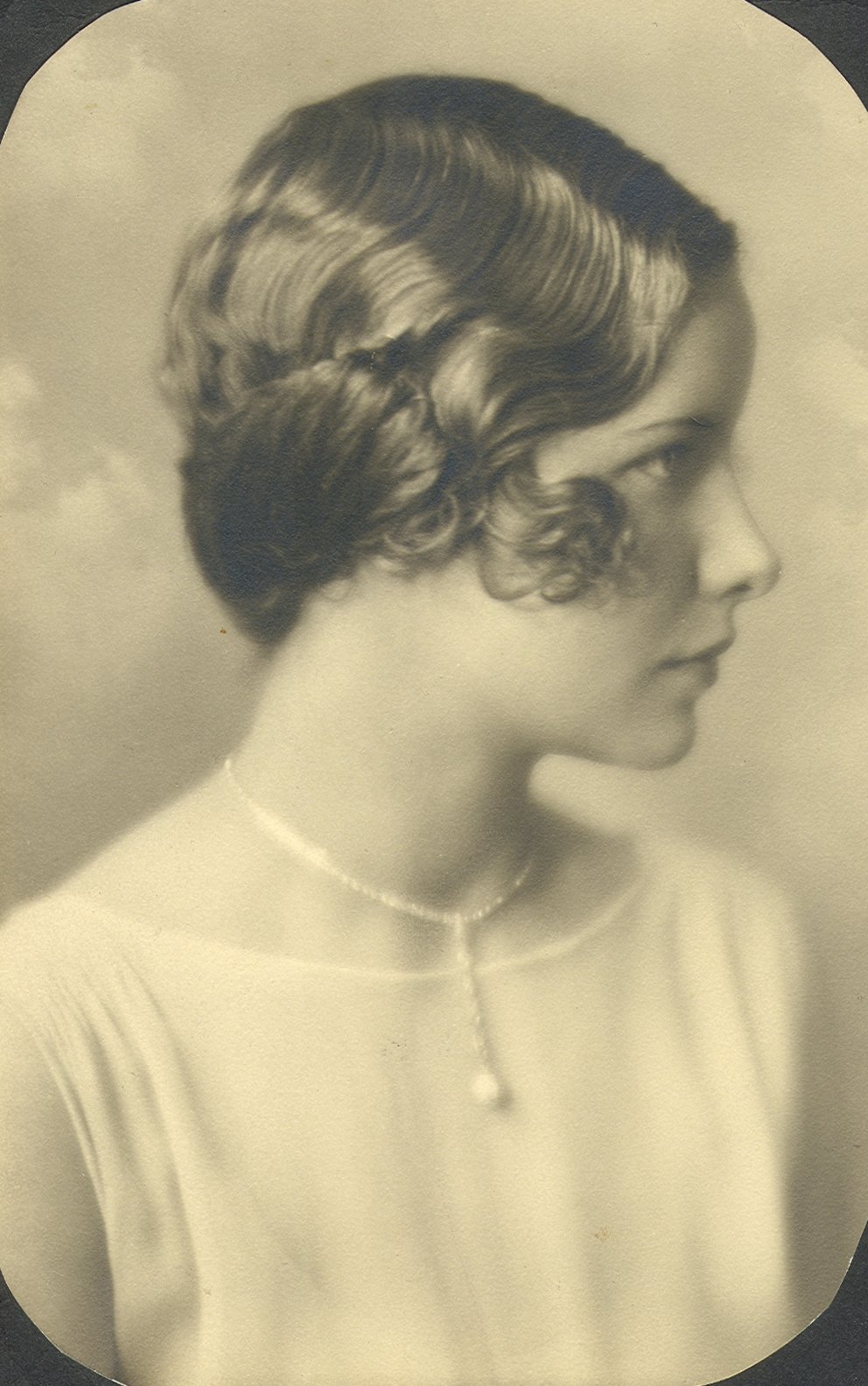 🇺🇸 United StatesFinger wave
S-shaped waves set by hand with comb and gelStyled · Straight hair · 1920
 WorldRinglet
Curled locks of hair formed by wrapping strands around a tool or twisting them.Curls · Curly hair
