
Dreadlocks
A hairstyle of rope-like hair strands formed by matting or twisting.
Dreadlocks are rope-like strands of hair that form naturally in curly textures or through techniques like twisting. They hold deep cultural and religious significance across Africa, the Caribbean, and global music scenes.
- Earliest evidence found in Sudan dates to 2500 BCE.
- Rastafarians wear locs to reject Western beauty standards.
- Yoruba culture views children born with locs as spiritual.
- Bob Marley helped globalize the style in the 1970s.
- Dee-Ann Kentish-Rogers won Miss Universe with locs in 2018.
What it is
Dreadlocks consist of matted coils of hair that resemble ropes. They can develop spontaneously in tightly coiled hair types or be created manually using methods such as backcombing, twisting, or crochet hooks. The style varies in length, often extending well past the shoulders, and is worn by people of various genders and ages. It represents a distinct textural aesthetic that contrasts with straight or loosely waved hair.
Where it comes from
Archaeological finds in Sudan dating back 4,000 years suggest early origins in the Kerma culture. Ancient Egyptian artifacts also depict locked hairstyles. In West Africa, the practice is ancient, with references to the Sahara desert dating to 3000 BCE. The term 'dreadlocks' may derive from slave trade descriptions of matted hair or Mau Mau resistance fighters. The style gained global visibility in the 1970s through reggae music and Rastafarianism.
What it means
For Rastafarians, locs symbolize a rejection of Babylonian society and an embrace of African identity. In Senegal, the Baye Fall sect wears them to detach from Western ideals. Among the Yoruba, children born with locs (Dada) are considered spiritually powerful. In Ghana, they represent African beauty and anti-colonial history. The style serves as a marker of faith, heritage, and political resistance.
How it is made
Locs form either naturally as hair tangles over time without brushing or artificially through deliberate techniques. Methods include palm rolling, two-strand twists, backcombing, or using crochet hooks to interlock strands. Maintenance involves regular retwisting of new growth at the roots to keep the structure intact and prevent frizz.
Who and what it suits
The style is most naturally suited to coarse, curly, or coily hair textures which mat easily. However, it can be adopted by any hair type through artificial manipulation. It does not have specific face shape restrictions but requires commitment to long-term styling.
Versions
Variations include 'elflocks', an older term implying supernatural origin. Different cultures have specific names like 'Jaṭā' in Sanskrit or 'Ndiagne' in Wolof. Styles vary by thickness, length, and whether they are freeform (natural) or maintained (retwisted). Some groups wear them with headwraps or caps.
In culture
Dreadlocks became a global fashion statement in the 1970s via Bob Marley and reggae. Hip-hop artists like Snoop Dogg and Lauryn Hill popularized them further. The style has sparked debates on cultural appropriation when worn by non-Black individuals. It has also faced discrimination in workplaces and beauty pageants, though recent winners like Dee-Ann Kentish-Rogers have challenged these norms.


Questions people ask about Dreadlocks
How do dreadlocks form?
They form when hair mats together. This happens naturally in curly hair if not brushed, or artificially through twisting, backcombing, or crochet techniques to encourage tangling.
What do dreadlocks mean in Rastafarianism?
They symbolize a Nazarite vow, rejecting 'Babylon' (Western society), and embracing African heritage. They represent spiritual strength and a connection to God.
Are dreadlocks only for Black people?
No, while deeply rooted in Black and African cultures, people of all backgrounds wear them. However, their adoption by non-Black individuals often sparks debates about cultural appropriation.
How did dreadlocks become popular globally?
Reggae music, especially Bob Marley, introduced the style to Western audiences in the 1970s. Later, hip-hop and rap artists in the 1990s and 2000s further mainstreamed it.
Good reading and sources
- Dare to dreadThe Guardian, Article
- How does black hair reflect black history?BBC, Article
- Army Lifts Ban on Dreadlocks, and Black Servicewomen Rejoice (Published 2017)The New York Times, Article
The facts on this page come from the Wikipedia article "Dreadlocks", written by its contributors and used under the CC BY-SA 4.0 licence, and from its Wikidata record (CC0). EveryHairstyle rewrote the text in its own words, with AI assistance, and compares every page with the article to make sure no passage is copied. It may be reused under the same CC BY-SA 4.0 licence with a link back.
It may contain mistakes, and figures change over time. Nothing here is investment or buying advice. If something is wrong, tell us. Last refreshed 2026-11-15.
Like Dreadlocks
All natural and afro 🇺🇸 United States and 3 moreNatural hair movement
A social and cultural campaign for wearing textured hair without chemical straightening.Natural · Coily and kinky hair · 1960
 🇺🇸 United StatesAfro
A rounded style of combed-out natural hair.Natural · Coily and kinky hair · 1960
 🇺🇸 United States and 3 moreHair extensions
Cosmetic additions of human or synthetic hair attached to natural hair for length and volume.Styled · Any hair · 1950
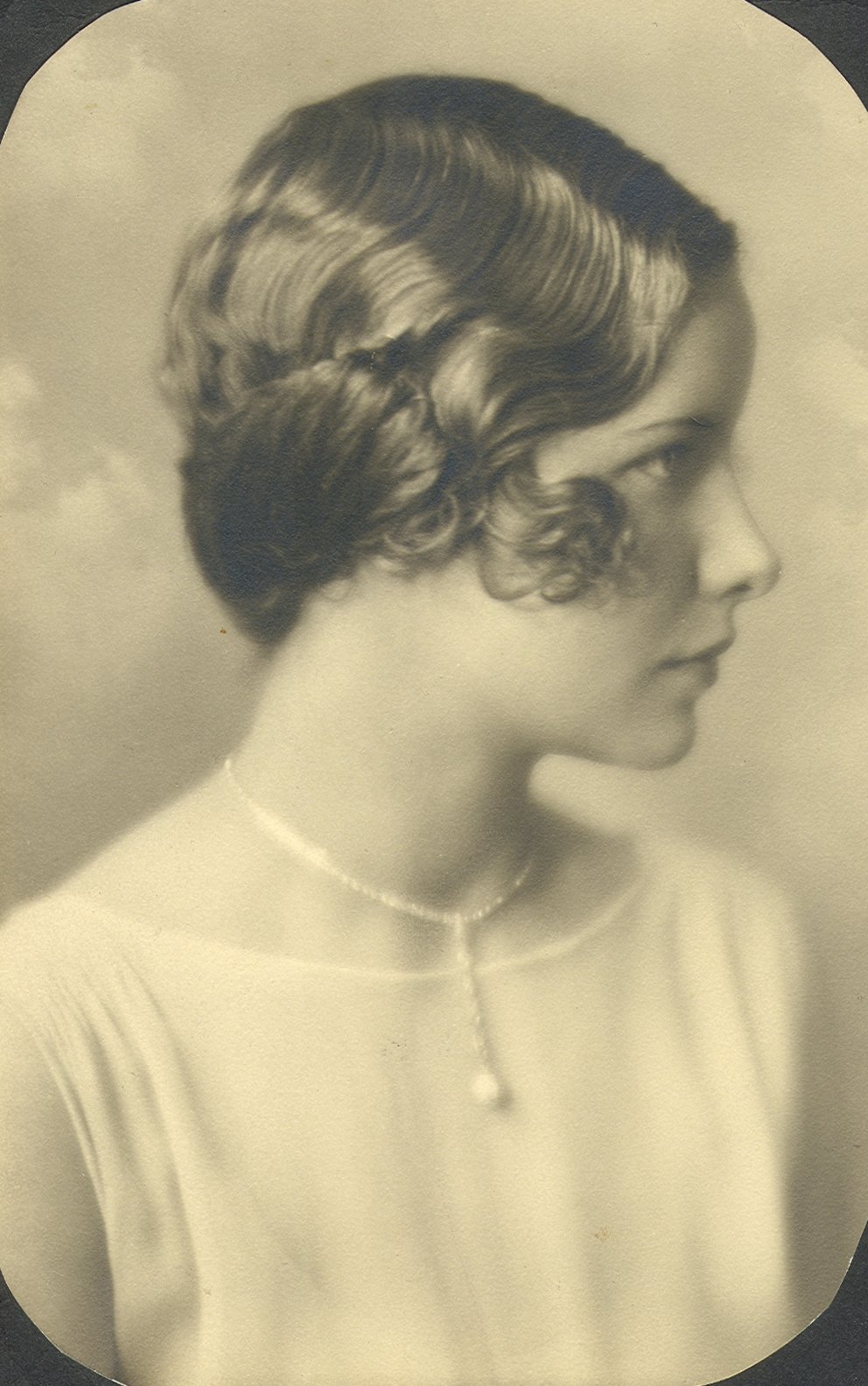 🇺🇸 United StatesFinger wave
S-shaped waves set by hand with comb and gelStyled · Straight hair · 1920