
Kiss curl
A single lock of hair curled and flattened against the cheek or forehead.
This facial lock is shaped to rest against the skin and held flat using moisture or styling products. Popularised by twentieth-century musicians and actors, the look traces its roots back to seventeenth-century European fashion and remains a recognised styling choice today.
- It is often flattened against the skin using soap or styling lotion.
- A famous rock musician used a large one to hide a blind eye.
- The style originated in the late seventeenth century as a playful fringe.
- It inspired the 1990s trend of smoothing the hairline known as laid edges.
What it is
This style features a single lock of hair shaped to rest against the face. The strand is typically pressed flat against the cheek or forehead to create a distinct, sculpted curve. While it requires a curling texture to form the initial shape, the final look relies on holding the hair firmly in place. Both men and women have worn this facial accent throughout history. It serves as a striking focal point, drawing attention to specific features or simply adding a decorative touch to an otherwise smooth hairstyle.
Where it comes from
The practice of shaping facial locks began in the late 1600s. During this period, people created fringes using these sculpted strands, sometimes adding artificial pieces to enhance the volume. These early versions carried playful names in French fashion. The look saw a massive revival centuries later. In the mid-1900s, a famous rock and roll musician adopted a large version over one eye to hide a blindness condition. Female entertainers and fictional superheroes also embraced the look. By the 1990s, this classic accent evolved into a new trend focusing on smoothing the hairline, popularised by a prominent R&B trio.
What it means
Historically, this facial accent served as a playful fashion statement, with names translating to flirtatious or mischievous terms. In modern times, it functions as a tool for personal styling and concealment. One famous musician used a prominent strand to draw attention away from an injured eye. Today, the technique of smoothing these facial locks connects to broader cultural trends focused on grooming and defining the hairline, reflecting ongoing shifts in beauty standards and personal expression.
How it is made
To create this look, a stylist or the wearer isolates a small section of hair near the hairline. This isolated strand is then shaped into a tight curve. To keep the curve flat against the skin, moisture is applied. Historically, people used spit to wet and press the strand down, which gave the style its most common alternative name. Modern methods replace saliva with soap or commercial styling lotions to achieve the same flattened, sculpted effect without the mess.
Who and what it suits
This style works best with naturally curly textures that can easily hold a curved shape. Because the strand is pressed flat against the skin, it can suit various face shapes by drawing the eye to a specific focal point. The surrounding hair is usually kept smooth to contrast with the defined facial lock.
Versions
A closely related historical style is the lovelock, which involves braiding or leaving a long strand of hair to drape over the shoulder or forehead. In the 1990s, the technique of flattening facial locks evolved into a broader grooming trend focused on smoothing the entire hairline. This modern approach uses edge control products to lay the hair flat, creating a clean boundary around the face rather than just a single isolated curl.
In culture
This facial lock has left a lasting mark on popular entertainment. A legendary rock pioneer made it his visual trademark. In television, a beloved detective series featured a main character sporting five distinct curls across her forehead. Fictional comic book heroes also sported the look, cementing its place in visual media. Furthermore, the styling technique directly influenced 1990s music culture, inspiring a major R&B group to popularise a sleek, smoothed hairline aesthetic that remains relevant today.

Questions people ask about Kiss curl
Why is it sometimes called a spit curl?
The name comes from the historical practice of using saliva to wet and press the hair flat against the face. Today, people typically use soap or commercial hair lotions to achieve the same flattened effect without using spit.
Who made this facial lock famous in the twentieth century?
A legendary rock and roll musician made it his visual trademark, wearing a large one over his eye. Female entertainers and even fictional comic book superheroes also helped popularise the look during this era.
How does this style relate to modern laid edges?
The technique of flattening facial locks directly inspired the 1990s trend of smoothing the hairline. Instead of just one isolated curl, modern styling focuses on laying the entire hairline flat using edge control products for a clean look.
Good reading and sources
The facts on this page come from the Wikipedia article "Kiss curl", written by its contributors and used under the CC BY-SA 4.0 licence, and from its Wikidata record (CC0). EveryHairstyle rewrote the text in its own words, with AI assistance, and compares every page with the article to make sure no passage is copied. It may be reused under the same CC BY-SA 4.0 licence with a link back.
It may contain mistakes, and figures change over time. Nothing here is investment or buying advice. If something is wrong, tell us. Last refreshed 2026-11-15.
Like Kiss curl
All curls and waves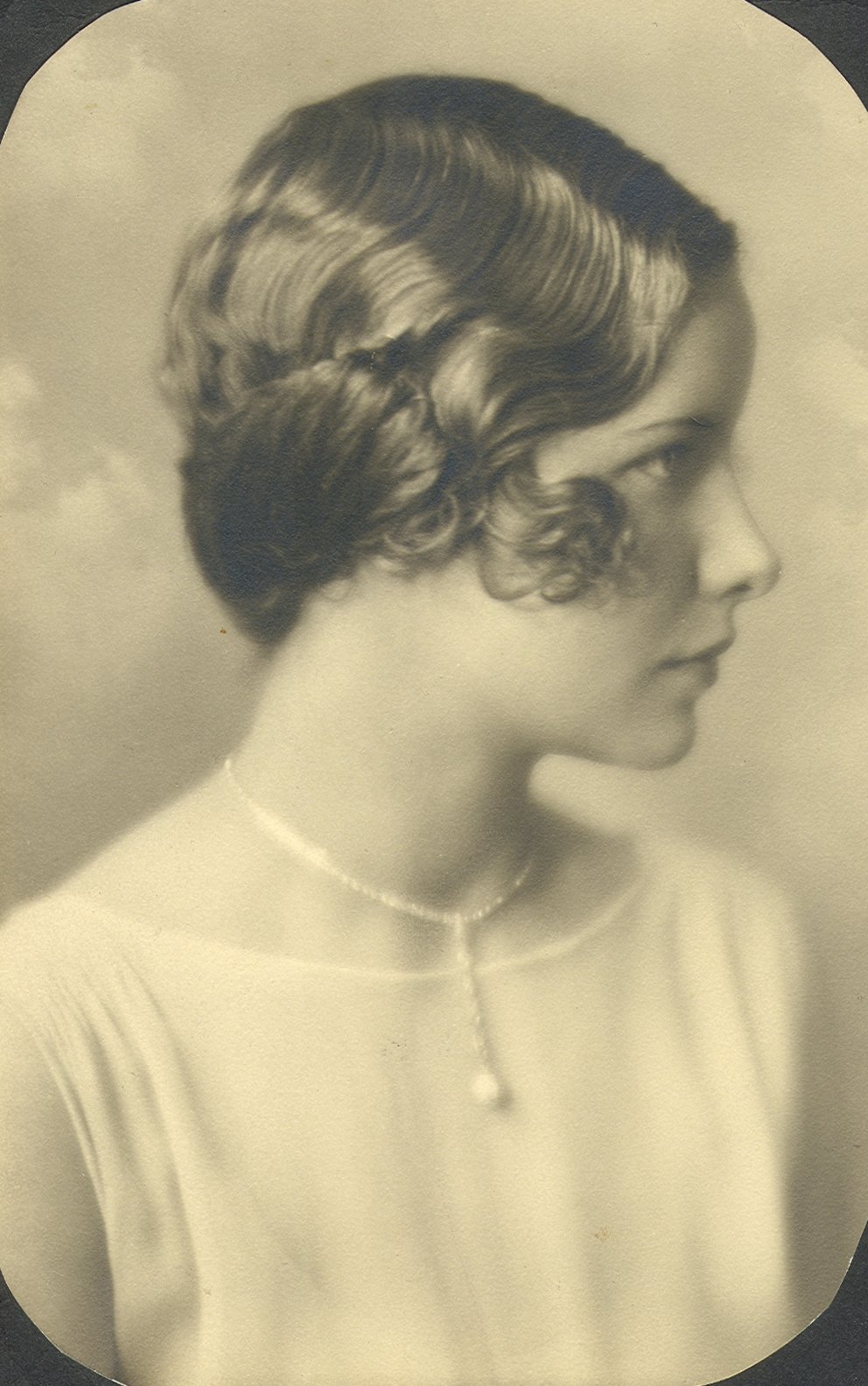 🇺🇸 United StatesFinger wave
S-shaped waves set by hand with comb and gelStyled · Straight hair · 1920
 🇸🇩 Sudan and 4 moreDreadlocks
A hairstyle of rope-like hair strands formed by matting or twisting.Natural · Coily and kinky hair · 1970
 WorldRinglet
Curled locks of hair formed by wrapping strands around a tool or twisting them.Curls · Curly hair
 WorldBackcombing
A styling method that creates volume by tangling hair near the root.Styled · Any hair
More from Bill Haley
All of them WorldMarcelling
A heat-styled curl technique from the 1870s.Curls · Any hair · 1872
🇬🇧 United KingdomEton crop
A very short, slicked-down women's cut from the 1920s.Cut · Any hair · 1920
 🇺🇸 United StatesLaid edges
A style arranging fine hair at the hairline into flat decorative waves or swirls.Styled · Fine hair · 1990