
Kesh
The Sikh practice of keeping hair uncut as a religious observance.
Kesh is the Sikh tradition of allowing hair to grow naturally without cutting or shaving it. Ordered by Guru Gobind Singh in 1699, it serves as a primary symbol of faith and devotion within the Khalsa community.
- Established by Guru Gobind Singh in 1699 as part of the Five Ks.
- Hair is combed twice daily with a wooden kanga.
- Includes head hair, beard, and mustache.
- Sikhs faced death rather than shave during Mughal persecution.
- Target of hate crimes due to mistaken identity post-2001.
What it is
Kesh refers to the practice of maintaining uncut hair on the head, beard, and mustache. It is a core requirement for initiated Sikhs who wear the Five Ks. The hair is kept clean and tidy through regular maintenance rather than being left wild. Practitioners use a wooden comb called a kanga to manage the hair, which is often tied into a simple knot known as a joora. A turban typically covers the hair, serving both as a respectful covering and a visible marker of identity.
Where it comes from
The practice was established by Guru Gobind Singh in 1699 during the formation of the Khalsa. He ordered these outward symbols to define the Sikh community distinctively. Historian J.P. Singh Uberoi notes this emerged amidst religious pluralism in Northwest India, differentiating householder Sikhs from ascetics who shaved or wore matted locks. During Mughal persecution, Sikhs faced death rather than shave their hair, cementing its role as an insignia of the Guru.
What it means
Kesh represents obedience to God's will and reverence for the divine gift of hair. It is viewed as the form of the Satguru, the eternal guru. Poets like Bhai Nand Lal described unshorn hair as essential to Sikh identity, stating other symbols hold no significance without it. Keeping hair uncut honors the creator and maintains spiritual integrity. The practice also signifies a rejection of artificial alteration, affirming natural beauty as created by the divine.
How it is made
Practitioners comb their hair at least twice daily using a kanga. The hair is then gathered and tied into a simple knot, often called a joora or rishi knot. This knot is secured with the comb. Regular washing is required to maintain hygiene. Some historical texts suggest washing with yogurt every two weeks and applying perfume. Public touching of the hair is avoided to show respect. The hair is usually covered by a turban after preparation.
Versions
While the core practice remains consistent, modern trends show some variation. In recent times, convenience and social pressure have led some Sikh men to cut their hair. Despite this, the traditional method involves strict adherence to the kanga and turban. Historical instructions included specific cleansing rituals like yogurt washes, though contemporary practice focuses on general hygiene. The style remains defined by the prohibition of cutting rather than specific aesthetic variations.
In culture
Kesh has become a target for harassment and hate crimes, particularly after September 11, 2001. Sikhs in the West were often mistaken for Muslims, leading to violent incidents. Cases include the murder of Balbir Singh Sodhi in Arizona and attacks in Australia and Malaysia where individuals had their hair forcibly cut. These events highlight the vulnerability of visible religious markers. The style remains a potent symbol of resilience and identity in the face of discrimination.


Questions people ask about Kesh
What does kesh mean?
Kesh means uncut hair. It refers to the Sikh practice of allowing head hair, beard, and mustache to grow naturally without cutting or shaving. The term derives from Sanskrit roots meaning supreme portion of the head.
How is kesh maintained?
Practitioners comb their hair at least twice daily using a kanga. The hair is tied into a knot and covered by a turban. Regular washing is required, and public touching is avoided out of respect.
Why do Sikhs keep their hair uncut?
It is a command from Guru Gobind Singh to profess faith. It symbolizes obedience to God's will and reverence for the divine gift of hair. It distinguishes Sikhs from other groups and serves as an insignia of the Guru.
Is kesh only for men?
The sources primarily discuss male practitioners facing harassment and following traditions. However, kesh is one of the Five Ks for the Khalsa, which includes both men and women. The text notes half of Indian Sikh men cut their hair today.
Good reading and sources
- Kesh (Sikhism) on WikipediaEncyclopedia
- More photos on Wikimedia CommonsPhotos
- Wikidata recordOpen data
The facts on this page come from the Wikipedia article "Kesh (Sikhism)", written by its contributors and used under the CC BY-SA 4.0 licence, and from its Wikidata record (CC0). EveryHairstyle rewrote the text in its own words, with AI assistance, and compares every page with the article to make sure no passage is copied. It may be reused under the same CC BY-SA 4.0 licence with a link back.
It may contain mistakes, and figures change over time. Nothing here is investment or buying advice. If something is wrong, tell us. Last refreshed 2026-11-15.
Like Kesh
All natural and afro 🇸🇩 Sudan and 4 moreDreadlocks
A hairstyle of rope-like hair strands formed by matting or twisting.Natural · Coily and kinky hair · 1970
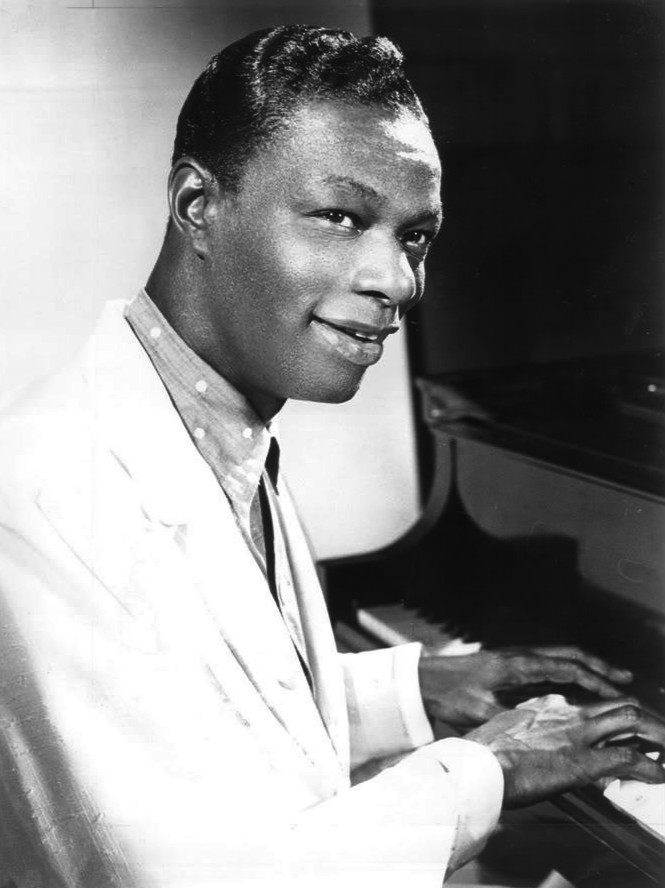 🇺🇸 United StatesConk
Chemically straightened hair popular with African-American men mid-20th century.Styled · Coily and kinky hair · 1920
 🇺🇸 United States and 3 moreNatural hair movement
A social and cultural campaign for wearing textured hair without chemical straightening.Natural · Coily and kinky hair · 1960
 🇺🇸 United StatesAfro
A rounded style of combed-out natural hair.Natural · Coily and kinky hair · 1960
