
Bangs
Strands of hair cut to cover the forehead and fall over the eyebrows.
Bangs are locks of hair trimmed to hang over the front hairline. They appear in many shapes, from straight cuts to ragged edges, and have been worn by men and women across different centuries and cultures.
- Bangs cover the forehead and usually sit above the eyebrows.
- The term fringe is used in British and Australian English.
- The Beatles popularized bangs for men starting in 1963.
- Kate Moss sparked a blunt-cut revival in October 2007.
- Five hairline shapes match specific fringe styles for best results.
What it is
Bangs consist of hair strands cut to fall over the forehead. They typically rest just above the eyebrows but can vary in length. Most modern Western styles feature a straight cut across the front. Other variations include arched shapes or ragged edges. The term bangs comes from cutting hair straight off at the front. In British English, this style is called a fringe. The name likely relates to ornamental fringe trim found on clothing. Historically, the term may also connect to cutting horses' tails straight across.
Where it comes from
Men and women in ancient Egypt, Greece, and Rome wore bangs. Artwork from the Middle Ages shows both genders with this style. During the Renaissance, European men kept wearing them while women fell out of fashion. Clergy in the 1600s criticized bangs as vain. Women revived the style in the Victorian era. The Alexandra fringe became popular in the 1880s. In the late nineteenth century, American immigrants used bangs to hide skin blemishes. The style remained common through the twentieth century. Men adopted bangs in the 1960s after the Beatles popularized them. A major revival occurred in 2007 with blunt cuts. Curtain bangs gained traction on social media in the 2020s.
What it means
Bangs serve various purposes throughout history. In the Victorian era, they signified fashionable femininity. Late nineteenth-century American magazines claimed bangs helped immigrants look like authentic Americans by hiding acne or smallpox scars. In the 1600s, religious leaders viewed them negatively as signs of vanity. Modern research suggests bangs enhance facial aesthetics. Studies show hair accounts for over seventy percent of perceived appearance. Specific fringe styles can shape first impressions and complement different hairline structures.
How it is made
Stylists cut bangs using several techniques. The most common method creates a straight line across the forehead. Some designs use an arched shape for softness. Others leave the edges ragged for texture. Recent cosmetology models match specific cuts to hairline shapes. Choppy bangs suit round hairlines for a youthful look. Heart bangs work with natural partings for heart-shaped lines. Feather bangs add asymmetry to angular faces. Blunt bangs provide structure for triangular hairlines. See-through bangs offer lightness for flat hairlines. These methods help balance facial proportions.
Who and what it suits
Research links fringe styles to five primary hairline shapes. Round hairlines benefit from choppy bangs that create texture. Heart-shaped hairlines pair well with heart bangs featuring natural swirls. Angular hairlines suit feather bangs that add softness. Triangular hairlines look bold with blunt bangs. Flat hairlines match see-through bangs that avoid visual heaviness. These combinations were developed using wig prototypes. They aim to improve facial aesthetics and shape impressions. Hair covers most of a person's visible appearance. Choosing the right fringe enhances overall looks.
Versions
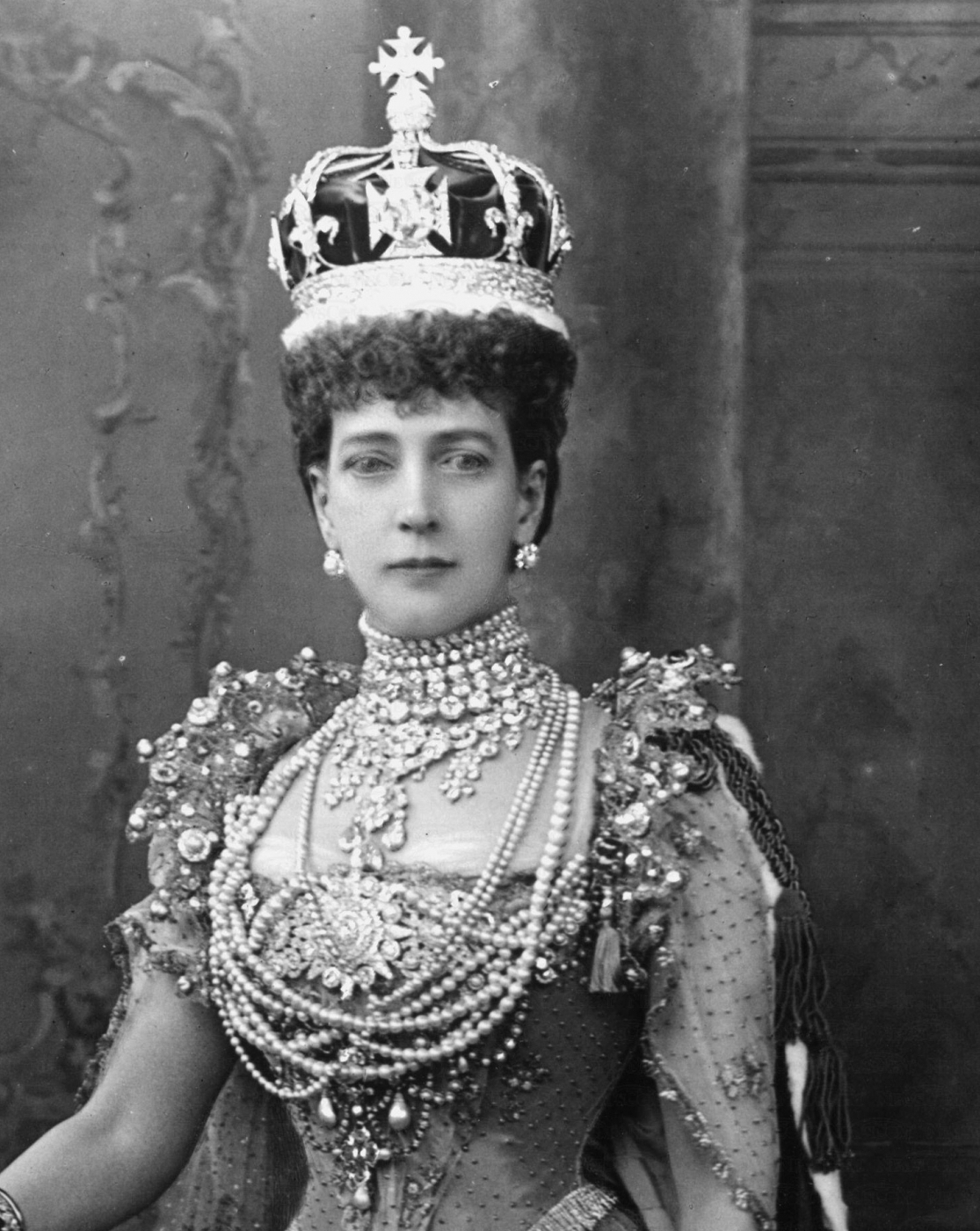
The Alexandra fringe featured short, frizzy locks named after Queen Alexandra. The Dutchboy bob included distinct bangs within a shorter cut. Mamie Eisenhower wore short waved bangs. Audrey Hepburn paired bangs with her pixie cut. The mop top haircut shares similarities with men's bangs popularized by the Beatles. Curtain bangs emerged as a self-styled trend in the 2020s. Thick, deep, and blunt-cut bangs defined the 2007 revival. Each variant offers a different aesthetic approach to covering the forehead.
In culture
Celebrities have influenced bang trends significantly. Kate Moss changed her hairstyle to include bangs in 2007. This move signaled a continuation of the blunt-cut trend into 2008. The Beatles brought bangs to mainstream male fashion around 1963. Their hairstyles made the look popular among young men. Social media platforms like TikTok drove the curtain bang revival in the 2020s. Historical artwork from the Middle Ages documents early wearers. Victorian-era popularity showed the style's enduring appeal across generations.


Questions people ask about Bangs
What is the difference between bangs and a fringe?
They describe the same hairstyle. Bangs is the term used in North American English. Fringe is the standard term in British, Australian, and New Zealand English. Both refer to hair cut to cover the forehead.
Who was the first person to wear bangs?
Historical records do not name a single inventor. Men and women in ancient Egypt, Greece, and the Roman Empire wore bangs. Artwork from the Middle Ages also depicts this style on both genders.
How do bangs relate to facial structure?
Research indicates hair affects over seventy percent of perceived appearance. Specific fringe styles complement five hairline shapes. Choppy bangs suit round lines, while blunt bangs fit triangular shapes. Matching the cut to the face enhances aesthetics.
Why did immigrants in the US wear bangs in the 1800s?
Young female immigrants used bangs to hide skin blemishes like acne or smallpox scars. Magazines assured them this helped them look like authentic Americans. The forehead coverage masked features that might mark them as outsiders.
Good reading and sources
The facts on this page come from the Wikipedia article "Bangs (hair)", written by its contributors and used under the CC BY-SA 4.0 licence, and from its Wikidata record (CC0). EveryHairstyle rewrote the text in its own words, with AI assistance, and compares every page with the article to make sure no passage is copied. It may be reused under the same CC BY-SA 4.0 licence with a link back.
It may contain mistakes, and figures change over time. Nothing here is investment or buying advice. If something is wrong, tell us. Last refreshed 2026-11-15.
Like Bangs
All cuts WorldShort hair
A general category for haircuts kept above the shoulders or chin.Cut · Any hair · 1920
 🇫🇷 FranceTitus cut
Short layered cut with curls from late 18th-century FranceCut · Curly hair · 1791
 🇬🇧 United Kingdom and 2 moreUndercut
Long top hair with shaved or buzzed sides and back.Cut · Any hair · 1910
 🇻🇳 VietnamCurtained hair
A parted fringe with short sides and back.Cut · Any hair · 1980
More from the Beatles
All of them 🇯🇵 JapanFrench twist
An elegant updo where hair is twisted vertically against the head.Updo · Any hair · 1940
 🇬🇧 United KingdomPageboy
Straight hair hanging below the ear with an inward turn.Cut · Straight hair · 1950
 WorldPixie cut
A short hairstyle with a longer top and very short bangs.Cut · 1953
 🇺🇸 United StatesBeehive
A conical updo piled high on the crown.Updo · Any hair · 1960