
Bouffant
A puffy, rounded hairstyle with height at the crown.
The bouffant is a voluminous hairstyle where hair is raised high on the head, often covering the ears. It gained modern fame in the 1950s and 1960s through figures like Jacqueline Kennedy and girl groups, symbolising polished femininity.
- Named after the French verb bouffer, meaning to puff up.
- Jacqueline Kennedy popularised the low bouffant bob in the US.
- Raymond Bessone revived the style in 1950s Britain.
- Backcombing creates the internal structure for the volume.
- The beehive is a taller, rolled variation of the bouffant.
What it is
This style features hair raised high on the head to create a puffy, rounded shape. The volume usually covers the ears or hangs down the sides. It creates a taller silhouette for the wearer. The look is smooth on the surface but relies on tangled hair underneath for structure. It was a standard choice for American housewives in the 1960s and remains associated with polished, formal appearances.
Where it comes from
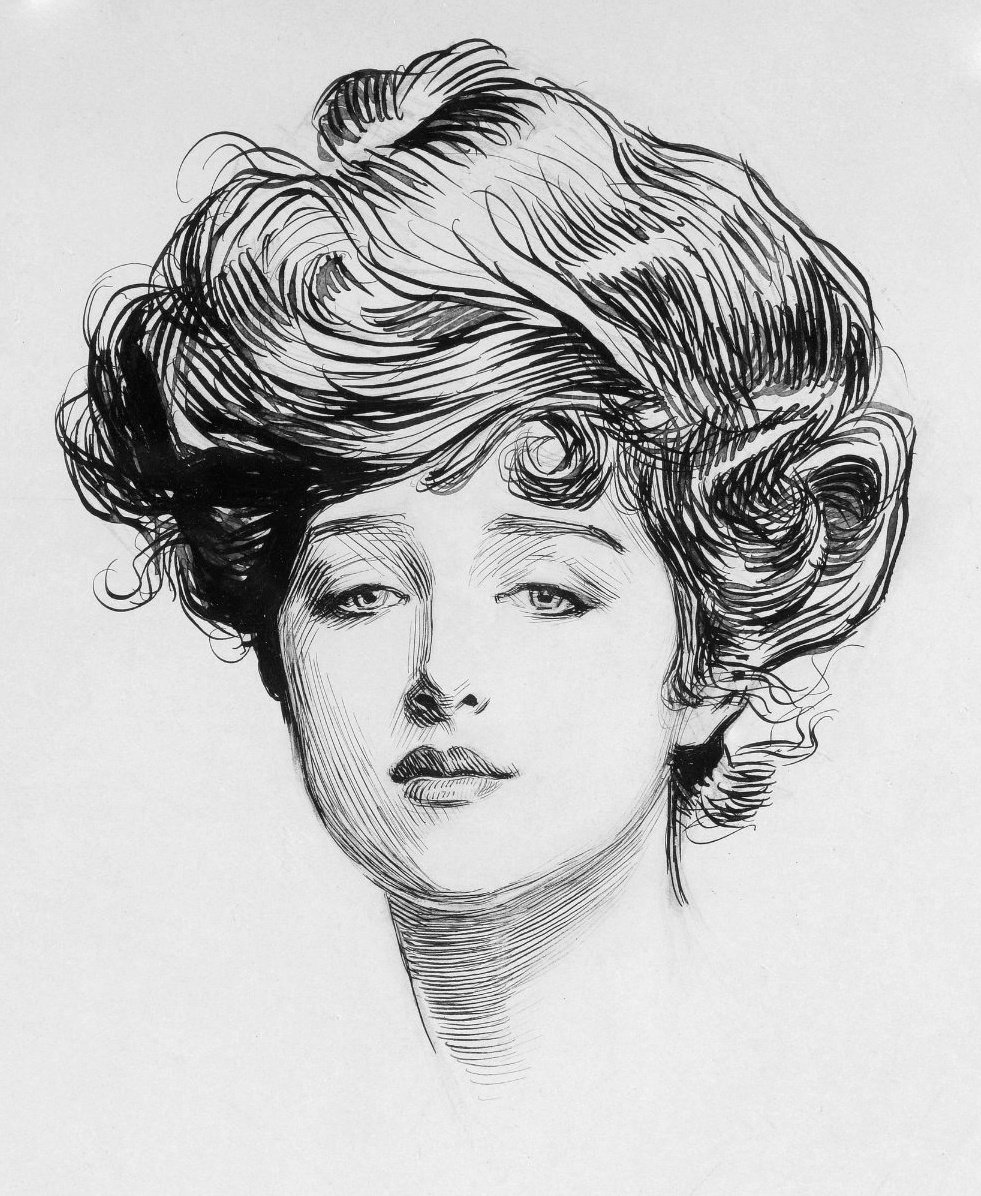
The style descends from the 18th-century pouf worn by French aristocracy. It reappeared in the late Victorian era as a sign of upper-class status. American illustrator Charles Dana Gibson popularised it via the Gibson Girl aesthetic before World War I. British stylist Raymond Bessone revived it in the 1950s, calling it teasy-weasy. Jacqueline Kennedy cemented its place in history with her low bouffant bob. Later, it became a staple for 1960s R&B girl groups.
What it means
Historically, voluminous hair signaled wealth and high social standing. In the 19th century, it marked the upper socio-economic classes who could afford hairpieces and cosmetic solutions. By the mid-20th century, it represented a specific ideal of feminine beauty and domestic polish. The height of the hair was intended to make the wearer appear taller and more imposing. It served as a visual marker of traditional gender roles during the post-war era.
How it is made
Stylists raise hair on the top and upper sides by backcombing or teasing it with a comb. This creates a pile of loosely knotted hair. Smooth, unteased hair from the front is then combed over this base to hide the tangles. A wiglet or nylon mesh cushion may be added at the crown for extra height. Hairspray or lacquer is applied to stiffen the structure. Adjustments are made with the pointed end of a rattail comb to avoid brushing out the volume.
Who and what it suits
The style requires enough length to create significant volume, typically medium to long hair. It works with various hair textures, though products are often needed to hold the shape. It was designed to elongate the figure, making it suitable for those wishing to appear taller. The smooth outer layer contrasts with the teased interior, requiring hair that can hold a set without collapsing under its own weight.
Versions
The beehive is a notable variation, featuring a hive-like roll of hair on the crown. It is often higher than the standard bouffant and may include bangs. The pompadour is another related style that shares the voluminous aesthetic. In the 1950s, it appeared as a low bouffant bob. Modern revivals often blend these elements, with artists like Amy Winehouse showcasing updated versions of the beehive form.
In culture
The style defined the look of 1960s girl groups such as The Supremes and The Ronettes. It drove significant sales of hair rollers and hairspray during that decade. In the 2000s, Amy Winehouse brought the beehive variant back into mainstream attention. The 2010s saw a resurgence linked to hipster and retro rockabilly trends, with stars like Adele and Rihanna adopting the look. It remains a powerful symbol of mid-century fashion.



Questions people ask about Bouffant
How is the volume created in a bouffant?
Volume is achieved by backcombing or teasing the hair on the top and sides. This creates a tangled base. Smooth hair is then combed over the top to hide the mess. Hairspray is used to lock the shape in place without pins.
What is the difference between a bouffant and a beehive?
A bouffant is generally rounded and puffy, often covering the ears. A beehive is a specific variation where the hair is styled into a tall, conical roll or hive shape on the crown. The beehive is typically higher and more structured than a standard bouffant.
Who made the bouffant famous in the 1960s?
First Lady Jacqueline Kennedy popularised a low version in the early 1960s. It also became iconic among R&B and pop girl groups like The Supremes and The Ronettes. These musicians helped drive the trend and the sales of styling products.
Good reading and sources
The facts on this page come from the Wikipedia article "Bouffant", written by its contributors and used under the CC BY-SA 4.0 licence, and from its Wikidata record (CC0). EveryHairstyle rewrote the text in its own words, with AI assistance, and compares every page with the article to make sure no passage is copied. It may be reused under the same CC BY-SA 4.0 licence with a link back.
It may contain mistakes, and figures change over time. Nothing here is investment or buying advice. If something is wrong, tell us. Last refreshed 2026-11-15.
Like Bouffant
All styled and set 🇫🇷 France and 2 morePompadour
High-volume hair swept up and back from the forehead.Updo · Any hair · 1950
 🇺🇸 United States and 3 moreHair extensions
Cosmetic additions of human or synthetic hair attached to natural hair for length and volume.Styled · Any hair · 1950
 🇺🇸 United StatesBeehive
A conical updo piled high on the crown.Updo · Any hair · 1960
 🇸🇩 Sudan and 4 moreDreadlocks
A hairstyle of rope-like hair strands formed by matting or twisting.Natural · Coily and kinky hair · 1970

