Uniform and work
Styles of soldiers, sailors, athletes and workplaces. 8 hairstyles on EveryHairstyle so far.
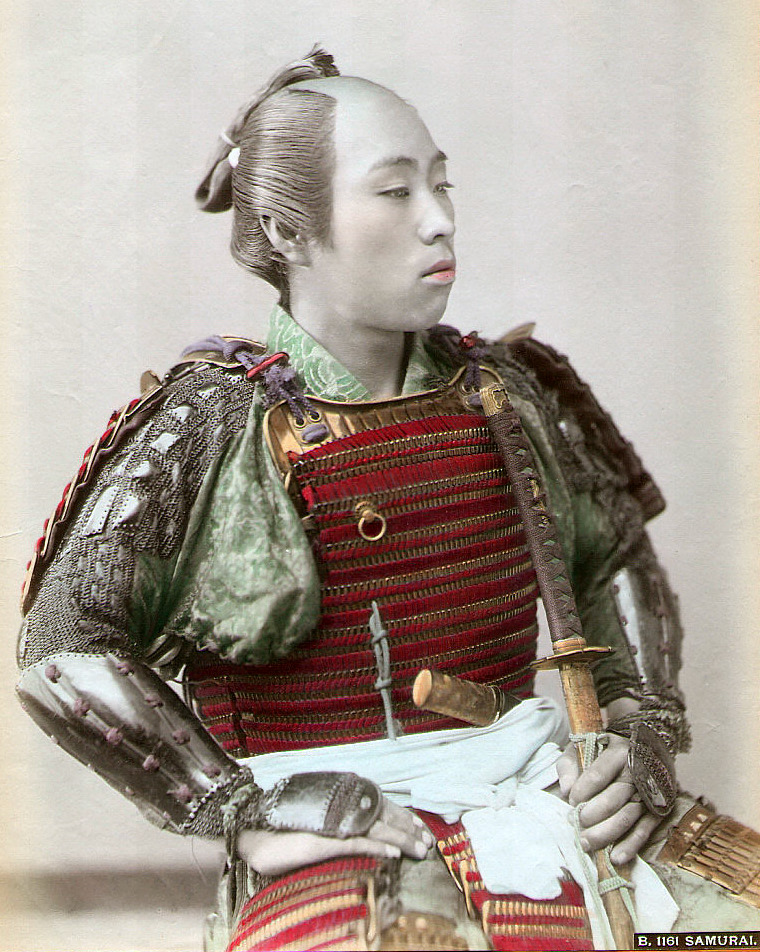
Armies, navies and many workplaces set rules for hair, for hygiene, safety, helmets and a uniform look. The induction cut given to recruits, the high and tight of the United States Marines, and the crew cut all come from military life. Long-haired soldiers once wore queues and powdered hair; samurai wore the chonmage. Athletes and workers also need styles that stay put.
Soldiers' hair
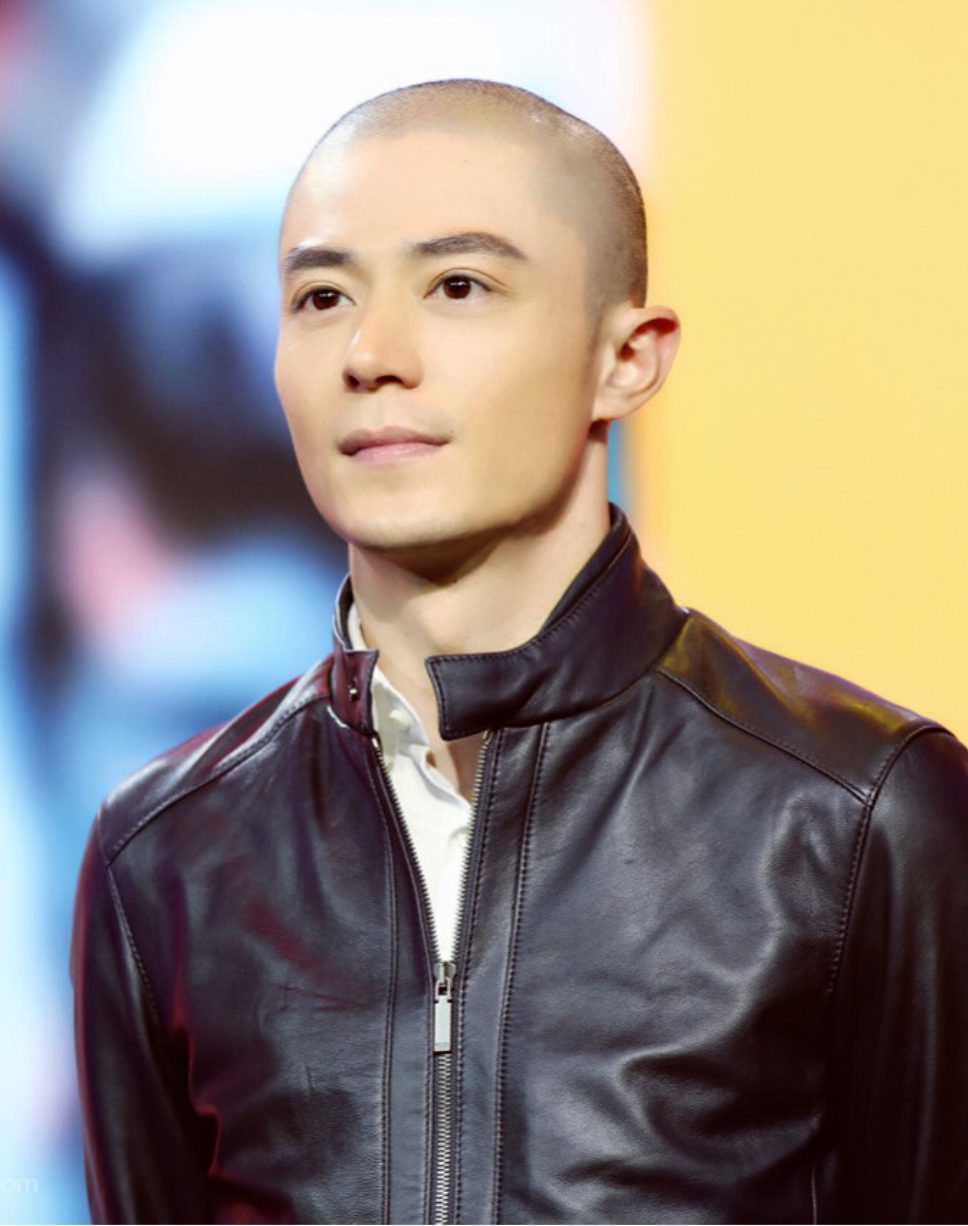
In the 18th century many European armies required soldiers to wear their hair long, tied in a queue and often powdered; the British Army abolished the queue in 1808 and moved to short hair. Short cuts became the rule in the 20th century: recruits receive an induction cut, often within hours of arriving, and Marines are known for the high and tight, very short sides with a little hair on top.
Rules and exceptions
Military hair rules have changed to include more people. Sikh soldiers have served in turbans in the Indian Army for generations, and in 2017 the United States Army allowed Sikh turbans and beards more widely. The same year the Army lifted its ban on locs for women, after criticism that its rules had treated Black women's hair unfairly. Many workplaces, from kitchens to factories, still require hair tied back or covered for safety.
Famous uniform and work hairstyles


Further reading

Photo credits on this page
The small pictures above come from Wikimedia Commons under free licences. Some are cropped to fit.
- Brush cut: IMasc, CC BY-SA 4.0, source
- Queue: Lai Afong, Public domain, source
- Buzz cut: Fadi El Benni of Al Jazeera English, CC BY-SA 2.0, source
- Crew cut: greginhollywood, CC BY 2.0, source
- Box braids: Randen Pederson, CC BY 2.0, source
- Induction cut: 霍建华微吧, CC BY 2.5, source
- High and tight: Chrismillar, CC BY-SA 3.0, source
- Chonmage: not listed, Public domain, source