
Chinese hairpin
Traditional Chinese hair ornaments used to secure buns and signify status.
Originating in the Neolithic Hemudu culture, these pins secured hair for both men and women before the Qing dynasty. They served as markers of social rank and symbols in rites of passage, betrothal, and mourning.
- Earliest examples found in Neolithic Hemudu culture relics dating to 5500 BC.
- Used by both men and women to secure buns before the Qing dynasty established new norms.
- The ji li ceremony marked a woman's fifteenth birthday and readiness for marriage.
- Lovers split double-pin chai hairpins during separations to prove identity upon reunion.
- Materials like jade, gold, and silver indicated the wearer's social status and wealth.
What it is
These are slender ornaments inserted into coiled hair to hold it in place. Historically worn by both men and women prior to the Qing dynasty, they secured hair into buns. The designs ranged from simple single pins to elaborate double-pin structures adorned with gemstones or carved figures. Materials included bone, jade, gold, silver, ivory, and wood, with the complexity and substance indicating the wearer's social standing.
Where it comes from
The earliest forms appeared in the Neolithic Hemudu culture relics around 5500 BC to 3300 BC. Initially crafted from bone, horn, stone, and jade, the practice evolved through the Shang and Zhou dynasties. By the Bronze Age, gold pins arrived from northern borders. The Tang dynasty introduced engraved wooden pins, while the Ming era saw increased elaboration with pearl settings on silver and jade. The style persisted through various imperial changes until the Qing dynasty altered hair customs.
What it means
Hairpins held deep cultural significance beyond mere utility. They marked social hierarchy, with materials and ornamentation reflecting wealth and rank. For Han Chinese women, the 'ji li' ceremony at age fifteen signified adulthood and eligibility for marriage. They also functioned as love tokens; couples would split a double-pin during separation or exchange them during betrothal, symbolizing unity and fidelity upon reunion.
How it is made
The wearer coiled their long hair into a bun at the crown or back of the head. A single-pin variant, known as a zan, was inserted vertically or horizontally to lock the coil. Double-pin versions, called chai, provided additional stability. Elaborate types like the buyao featured dangling elements that moved with the wearer. Decorative tops often depicted phoenixes, dragons, or auspicious symbols, requiring careful placement to ensure the hair remained secure.
Who and what it suits
The style requires sufficient hair length to form a bun, which was standard for adult men and women in ancient China. It suits any hair type capable of being coiled and pinned, regardless of thickness or curl pattern.
Versions
Several distinct types existed. The zan featured a single pin, available in tiger-head or ruyi scepter shapes. The chai had double or multiple pins and served as a common love token. The buyao was an exquisite, jewel-encrusted pin with dangling parts that swayed with movement. Phoenix hairpins originated in the Qin dynasty and evolved into the fengguan headdress. Other variants included the diancui (kingfisher feather) and the jin chan yu yue (gold cicada on jade leaf).
In culture
These ornaments were central to Chinese traditions, appearing in poetry and literature as symbols of romance and identity. Imperial edicts dictated specific designs for empresses, such as the phoenix motif representing the bride or empress dowager. Peranakan women adopted phoenix hairpins for wedding headdresses. During funerals, mourners abstained from wearing them, highlighting their role in daily life and celebration versus grief.


Questions people ask about Chinese hairpin
What is the difference between a zan and a chai?
A zan is a single-pin hair ornament used to secure a bun. A chai features two or more pins and often served as a love token that could be split in half during separation.
Who wore Chinese hairpins historically?
Prior to the Qing dynasty, both men and women wore them to hold their hair in buns. All women wore them regardless of rank, though materials signaled social status.
What does the buyao hairpin look like?
It is an elaborate pin made of gold and jewels with dangling features. Its name means 'shake as you go,' describing how the ornaments sway with each step.
How did hairpins relate to marriage customs?
Women gave their hairpin to fiancés during engagement. Husbands returned it after the wedding. Couples also broke double-pins apart during long separations as proof of identity.
Good reading and sources
- Chinese hairpin on WikipediaEncyclopedia
- More photos on Wikimedia CommonsPhotos
- Wikidata recordOpen data
The facts on this page come from the Wikipedia article "Chinese hairpin", written by its contributors and used under the CC BY-SA 4.0 licence, and from its Wikidata record (CC0). EveryHairstyle rewrote the text in its own words, with AI assistance, and compares every page with the article to make sure no passage is copied. It may be reused under the same CC BY-SA 4.0 licence with a link back.
It may contain mistakes, and figures change over time. Nothing here is investment or buying advice. If something is wrong, tell us. Last refreshed 2026-11-15.
Like Chinese hairpin
All adorned EuropeRoman hairstyles
Ancient Roman hair fashions reflecting status and identityUpdo · Any hair
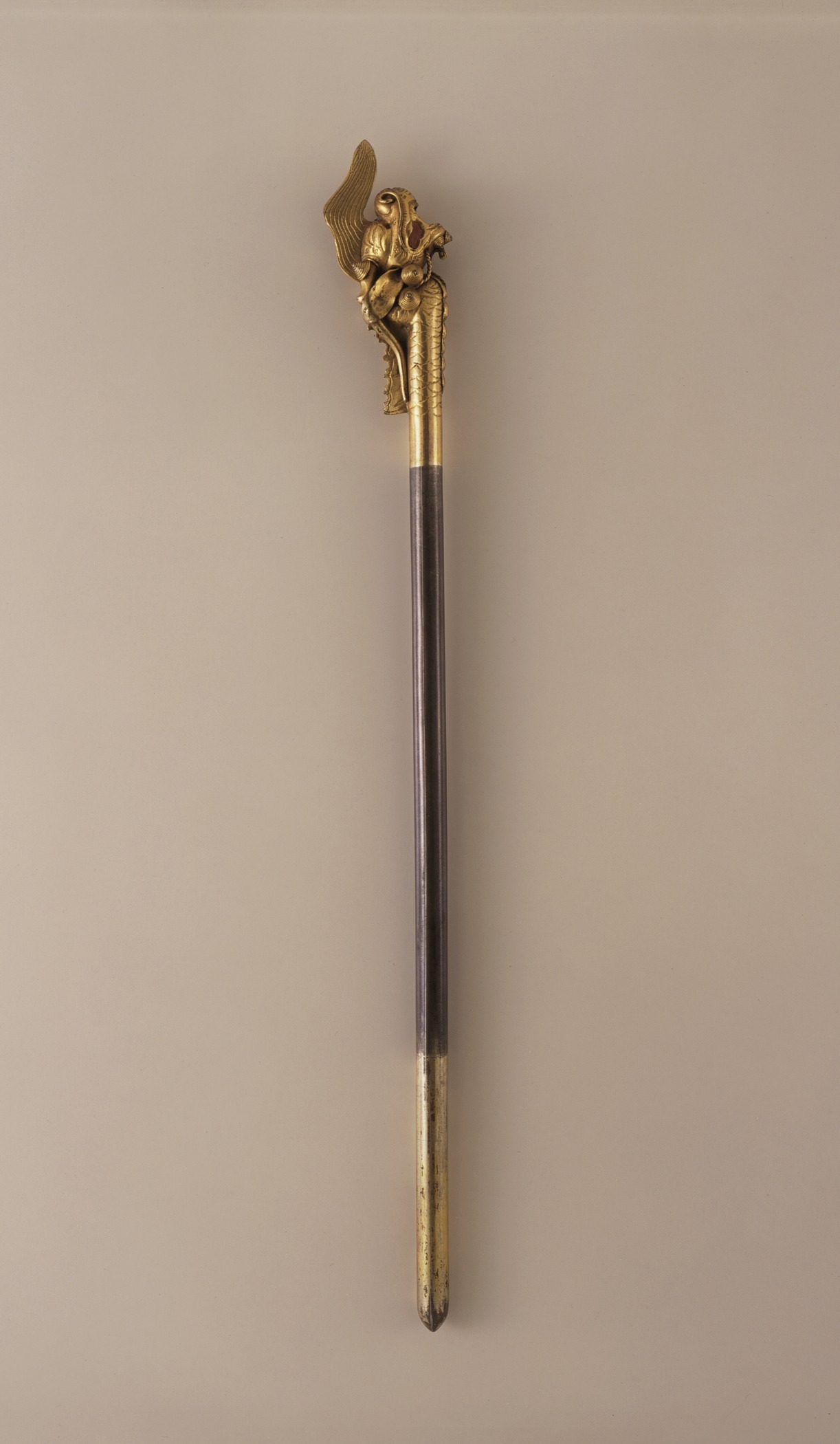 🇰🇷 South KoreaBinyeo
A traditional Korean hairpin used to secure chignons and signal social status.Adorned
 🇺🇦 UkraineUkrainian wreath
Traditional floral headdress for Ukrainian girls and unmarried womenWrapped · Any hair
 WorldBun
A hairstyle where hair is gathered and coiled into a circular shape on the head.Updo · Any hair