
Suebian knot
A historical male bun worn by the Suebi and other Germanic tribes to signal status and identity.
The Suebian knot is a hairstyle tied by ancient Germanic warriors. Roman records from the first century describe it as a marker of freedom and wealth among the Suebi tribe.
- Described by Roman historian Tacitus in 98 CE.
- Worn by the Germanic Suebi tribe as a status symbol.
- Distinguished free men from slaves in society.
- Found preserved on bog bodies like the Osterby Man.
- Requires long hair twisted into a secure knot.
What it is
This style involves combing long hair back or to the side and tying it into a knot. It was worn exclusively by men. The look served as a clear visual distinction between free citizens and slaves within the community. Wealthier nobles often created more elaborate versions of the knot.
Where it comes from
Roman historian Tacitus described the style in his work Germania around 98 CE. He noted that the Suebi combed their hair sideways and knotted it. This fashion spread to younger warriors in neighboring tribes through imitation. Among the Suebi, older men kept the style as they aged, using it to show social standing.
What it means
The knot acted as a badge of ethnic identity and social rank. It separated freemen from enslaved people. The complexity of the knot indicated wealth. Chieftains wore ornate versions to display their high status without appearing vain.
How it is made
Stylists split the hair at the back into two strands. These are slicked and laid in opposite directions around the head. On one side, usually near the temple, the strands are tightened together. They are then twisted into a braid. A loop is formed, and the end is tucked through it. Natural twisting tightens the knot securely.
Who and what it suits
The style requires long hair to be effective. Experimental tests with bog body hair showed it holds well even on thin or straight hair. Some grease helps maintain the shape over time.
Versions
Similar styles appear in other cultures like the Oseledets and Shikha. Depictions exist on the Trajan column and bronze cauldrons found in Czech Republic, Poland, and Ukraine graves.
In culture
Archaeological finds include the Osterby Man and Dätgen Man from Germany. Both were preserved in peat bogs with this hairstyle intact. Artifacts showing the style have been found far outside the Roman Empire borders.


Questions people ask about Suebian knot
Who invented the Suebian knot?
The style is attributed to the Germanic Suebi tribe. Roman records confirm its use among them during the first century AD as a distinct cultural marker.
What does the Suebian knot signify?
It signals freedom and social status. Only free men wore it, while slaves did not. More complex knots indicated higher wealth and noble rank within the tribe.
How is the Suebian knot styled?
Hair is split into two strands, laid opposite each other, and twisted. The resulting braid forms a loop that tucks in on itself. Grease helps keep it tight.
Good reading and sources
The facts on this page come from the Wikipedia article "Suebian knot", written by its contributors and used under the CC BY-SA 4.0 licence, and from its Wikidata record (CC0). EveryHairstyle rewrote the text in its own words, with AI assistance, and compares every page with the article to make sure no passage is copied. It may be reused under the same CC BY-SA 4.0 licence with a link back.
It may contain mistakes, and figures change over time. Nothing here is investment or buying advice. If something is wrong, tell us. Last refreshed 2026-11-15.
Like Suebian knot
All buns and updos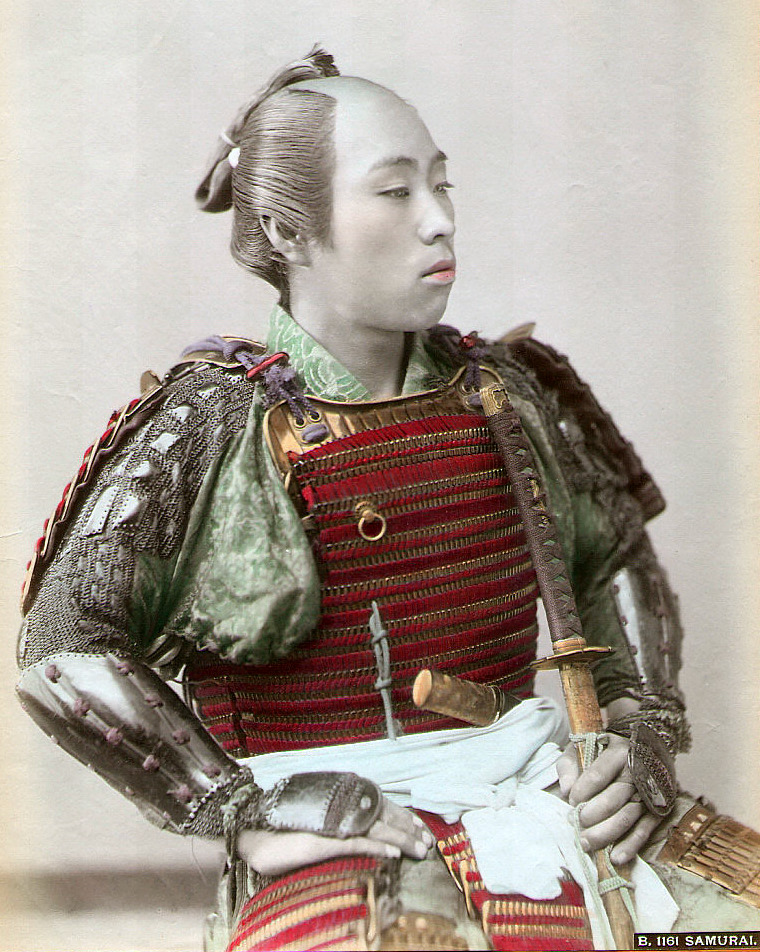 🇯🇵 JapanChonmage
Traditional Japanese topknot worn by men, historically by samurai and now by sumo wrestlers.Updo · Straight hair · 1603
 WorldBun
A hairstyle where hair is gathered and coiled into a circular shape on the head.Updo · Any hair
 🇯🇵 JapanNihongami
Traditional Japanese hairstyles characterized by elaborate updos, side wings, and wax styling.Updo · Straight hair
 🇰🇷 South KoreaSangtu
Traditional Korean topknot worn by married men.Updo · Any hair · 57