Locs and twists
Dreadlocks, sisterlocks, two-strand twists and Bantu knots. 7 hairstyles on EveryHairstyle so far.
Locs, also called dreadlocks, are ropes of hair that form when hair is left to mat, or is coiled, twisted or interlocked until it binds together. Twists, made by winding two strands of hair around each other, and Bantu knots, small coiled buns, are close relatives. Locs carry deep meaning in several faiths and cultures, from the jata of Hindu ascetics to the locks of the Rastafari.
How locs form
Hair sheds every day. In tightly coiled hair the shed hairs stay inside the coil and knot with the growing hair, so the hair locks if it is not combed out. Locs can be started with comb coils, twists, braids or interlocking and take months to mature, or they can be left to form freely. They are kept with palm rolling, retwisting or interlocking at the roots. Temporary versions, faux locs, wrap extension hair round braids.
Faith and identity
In Hinduism, Shiva is shown with jata, matted locks, and many sadhus wear them. The Rastafari of Jamaica took up locks from the late 1940s and 1950s, citing the Nazirite vow in the Bible, and reggae carried them around the world. Locs have often been banned by schools, employers and armies, and in recent years laws in several countries, including the CROWN Acts in the United States, have protected them.
Famous locs hairstyles

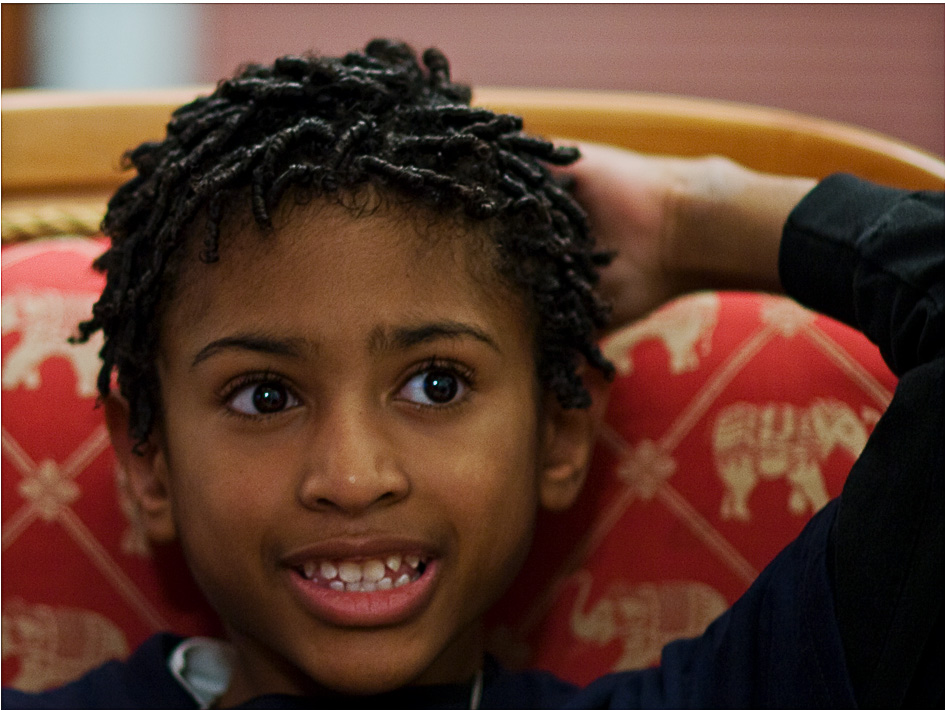

Still to be written: Synthetic dreads.
Further reading
Nothing matches those filters yet. Take one off, or check back: new pages are written every day.