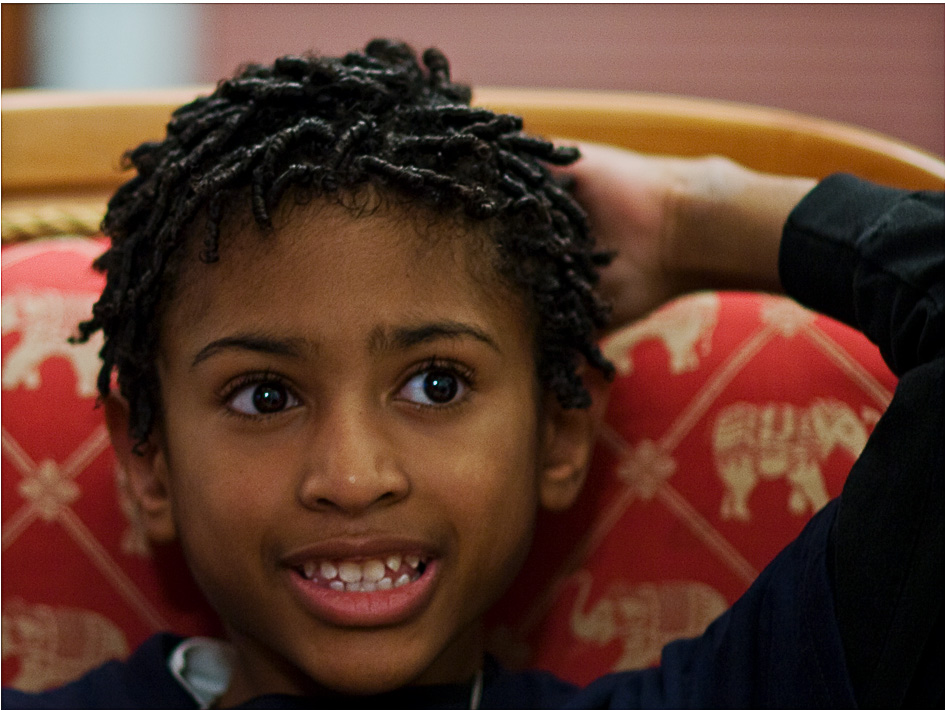
Hair twists
Two-strand rope style for coily hair textures
Hair twists involve dividing hair into sections and winding two strands around each other to form a rope-like shape. This protective style is popular globally for kinky hair and helps shield natural locks from daily handling damage.
- California banned hair discrimination in 2019 via the CROWN Act
- Senegalese twists originated in Senegal and use Kanekalon hair
- Marley and Havana twists became widely popular in 2013
- Twists protect natural hair from daily manipulation damage
- Havana twists are fluffier and lighter than Marley twists
What it is
This style creates a textured look by separating hair into small parts and winding two strands around one another. It works well on wet or dry coily hair. The result is a tight, woven appearance that shrinks slightly as it dries. Wearers often combine these twists with afros or puffs. Unlike dreadlocks, which mat over time, twists are formed deliberately and can be undone.
Where it comes from
Senegalese twists originated in Senegal and spread to salons in the United Kingdom, Canada, and the United States. In 2013, Marley and Havana twists gained popularity within the black hair community. These newer styles use specific synthetic extensions. Legal recognition of such natural styles grew in 2019 when California and New York passed laws banning discrimination based on hair texture and style.
What it means
These styles serve as protective measures, shielding natural hair from constant manipulation and breakage. They represent a celebration of natural texture. Recent legislation like the CROWN Act highlights their cultural significance by legally protecting wearers from bias in schools and workplaces. This legal shift acknowledges hair as a key part of racial and personal identity.
How it is made
Start by dividing clean hair into sections. For wet twists, soak hair in hot water to relax it before sectioning. Take two strands from a section and twist them around each other tightly. For dry twists, work directly on unmoistened hair for a different finish. To maintain the style, cover the head with a durag or scarf while sleeping to reduce friction and frizz.
Who and what it suits
This style is best suited for kinky or coily hair textures. It allows the natural curl pattern to define the twist shape. While primarily designed for these textures, it can sometimes be adapted for other hair types. The method protects fragile ends and reduces the need for daily combing or brushing.
Versions
A twist out involves undoing the twists to reveal a crimped, voluminous texture. This can be done with two or three strands. Senegalese twists use Kanekalon synthetic hair and last up to three months. Marley twists use a specific coarse extension, while Havana twists use a fluffier, lighter online-only product. Both Marley and Havana styles require fewer twists than Senegalese versions.
In culture
The rise of Marley and Havana twists in 2013 marked a trend in the black hair community toward diverse protective options. Political movements have also embraced these styles. The passing of the CROWN Act in California and similar bills in New York in 2019 validated natural hairstyles in professional and educational settings, challenging long-standing dress codes.


Questions people ask about Hair twists
What is the difference between twists and dreadlocks?
Twists are created by intentionally winding two strands of hair together. Dreadlocks form when hair mats and tangles over a long period. Twists can be undone easily, whereas locs are a permanent or semi-permanent locking of the hair shaft.
How do you maintain hair twists overnight?
Hairstylists recommend covering the hair with a headscarf or durag at night. This practice reduces friction against pillows, helping to keep the twists neat and preventing frizz or unraveling while you sleep.
What is a twist out hairstyle?
A twist out is a variation where previously twisted hair is untwisted. This process reveals a large, loosely crimped texture. It can be achieved using two-strand or three-strand twisting methods before the undoing step.
Good reading and sources
The facts on this page come from the Wikipedia article "Hair twists", written by its contributors and used under the CC BY-SA 4.0 licence, and from its Wikidata record (CC0). EveryHairstyle rewrote the text in its own words, with AI assistance, and compares every page with the article to make sure no passage is copied. It may be reused under the same CC BY-SA 4.0 licence with a link back.
It may contain mistakes, and figures change over time. Nothing here is investment or buying advice. If something is wrong, tell us. Last refreshed 2026-11-15.
Like Hair twists
All locs and twists 🇺🇸 United States and 3 moreNatural hair movement
A social and cultural campaign for wearing textured hair without chemical straightening.Natural · Coily and kinky hair · 1960
 🇺🇸 United StatesAfro
A rounded style of combed-out natural hair.Natural · Coily and kinky hair · 1960
 🇸🇩 Sudan and 4 moreDreadlocks
A hairstyle of rope-like hair strands formed by matting or twisting.Natural · Coily and kinky hair · 1970