Hush cut
A soft, layered haircut from South Korea designed for natural movement and easy styling.
The hush cut is a layered hairstyle that originated in South Korea and gained global attention through social media. It uses soft, face-framing sections and long tiers to create a light, natural shape that requires minimal daily effort.
- Originated in South Korea and popularised by actress Jung Ho-yeon.
- Uses long, blended tiers to remove weight and avoid blunt edges.
- Requires minimal daily styling, relying on natural hair movement.
- Adaptable to all face shapes and hair textures, including fine and thick.
- Gained widespread popularity on video sharing platforms in the early twenty-twenties.
What it is
This style features soft, feathered tiers that remove weight and create a light shape. The hair is usually kept at a medium or long length. Stylists avoid blunt edges, instead blending the front sections to curve around the ears and jaw. A wispy fringe, which is a short section of hair at the front, often frames the face. The result is a relaxed, lived-in appearance that looks as though a shorter style has grown out over several months. It suits anyone seeking a relaxed look without spending hours on daily preparation.
Where it comes from
The style began in South Korea before spreading globally through video sharing platforms. It gained significant traction in the early twenty-twenties, accumulating tens of millions of views online. Actress Jung Ho-yeon helped popularise the look, showcasing its soft and adaptable nature. Hair professionals note that it emerged as a gentler alternative to more extreme layered trends of the same era. Salons worldwide quickly adopted the technique as clients requested the effortless, feathered aesthetic seen on their screens.
What it means
This haircut represents a shift towards practical, everyday fashion. It appeals to individuals who want a fresh appearance without committing to a drastic transformation or high upkeep. The style emphasises natural texture and effortless beauty, rejecting the need for rigid, perfectly polished looks. It allows wearers to embrace their natural hair behaviour while still enjoying a structured, modern silhouette.
How it is made
A stylist creates this look by cutting long, soft tiers throughout the hair, ensuring no straight or blunt edges remain. The front pieces are shaped to blend seamlessly into the longer back sections. To style it at home, apply a heat-protecting product to damp hair and dry it using your fingers or a diffuser, which is an attachment that spreads air gently to enhance natural texture. Avoid round brushes, as they can make the hair look too stiff. Once dry, add a texturising mist to highlight the layers.
Who and what it suits
The cut is highly adaptable and suits all face shapes. It works well on straight, wavy and curly hair. For fine hair, stylists place the tiers slightly higher to build volume. Those with thick hair receive longer, softer tiers that remove bulk without losing shape. It is also suitable for mid-length and long locks, and can even add movement to shorter bobs.
Versions
This style sits between two other popular layered looks. The wolf cut is a close relative, but it features much shorter, choppier tiers and a sharper overall shape. The butterfly cut is another variation, though it typically demands more daily styling with rollers or blow-drying to maintain its volume. The hush cut remains the gentlest of the three, focusing on a smooth, blended finish rather than dramatic contrast.
In culture
The style became a major topic in digital beauty communities, dominating social media feeds and prompting widespread salon requests. It reflects a broader cultural preference for low-effort, lived-in aesthetics over highly structured grooming. Beauty publications and digital influencers frequently highlight it as a go-to option for seasonal refreshes, cementing its place in contemporary fashion discussions.
Questions people ask about Hush cut
What is the main difference between this cut and the wolf cut?
The wolf cut features shorter, choppier layers and a sharper, more dramatic shape. This style uses longer, softer layers that blend seamlessly, creating a much gentler and more relaxed appearance without harsh lines.
How should I style this haircut at home?
Apply a heat-protecting product to damp hair and dry it with your fingers or a diffuser attachment. Avoid round brushes to keep the look casual. Finish with a texturising spray to enhance the layers and add volume.
Can people with fine or thin hair get this style?
Yes, it suits fine hair. Stylists will simply cut fewer layers and place them slightly higher on the head. This technique creates the necessary shape and volume without making the hair look sparse or overly layered.
Good reading and sources
There is no English Wikipedia article on Hush cut yet, so the facts on this page come from the sources listed above: bustle.com/style/hush-cut-korean-hairstyle, fashionjournal.com.au/beauty/korean-hush-cut/, stylist.co.uk/beauty/hush-cut-hair-trend/815098. Some are the subject's own pages, so its claims about itself are reported as its claims. EveryHairstyle wrote the text in its own words, with AI assistance, and compares it with the sources to make sure no passage is copied.
It may contain mistakes, and figures change over time. Nothing here is investment or buying advice. If something is wrong, tell us. Last refreshed 2026-11-15.
Like Hush cut
All cuts 🇺🇸 United StatesThe Rachel
Voluminous layered cut popularised by FriendsCut · Straight hair · 1995
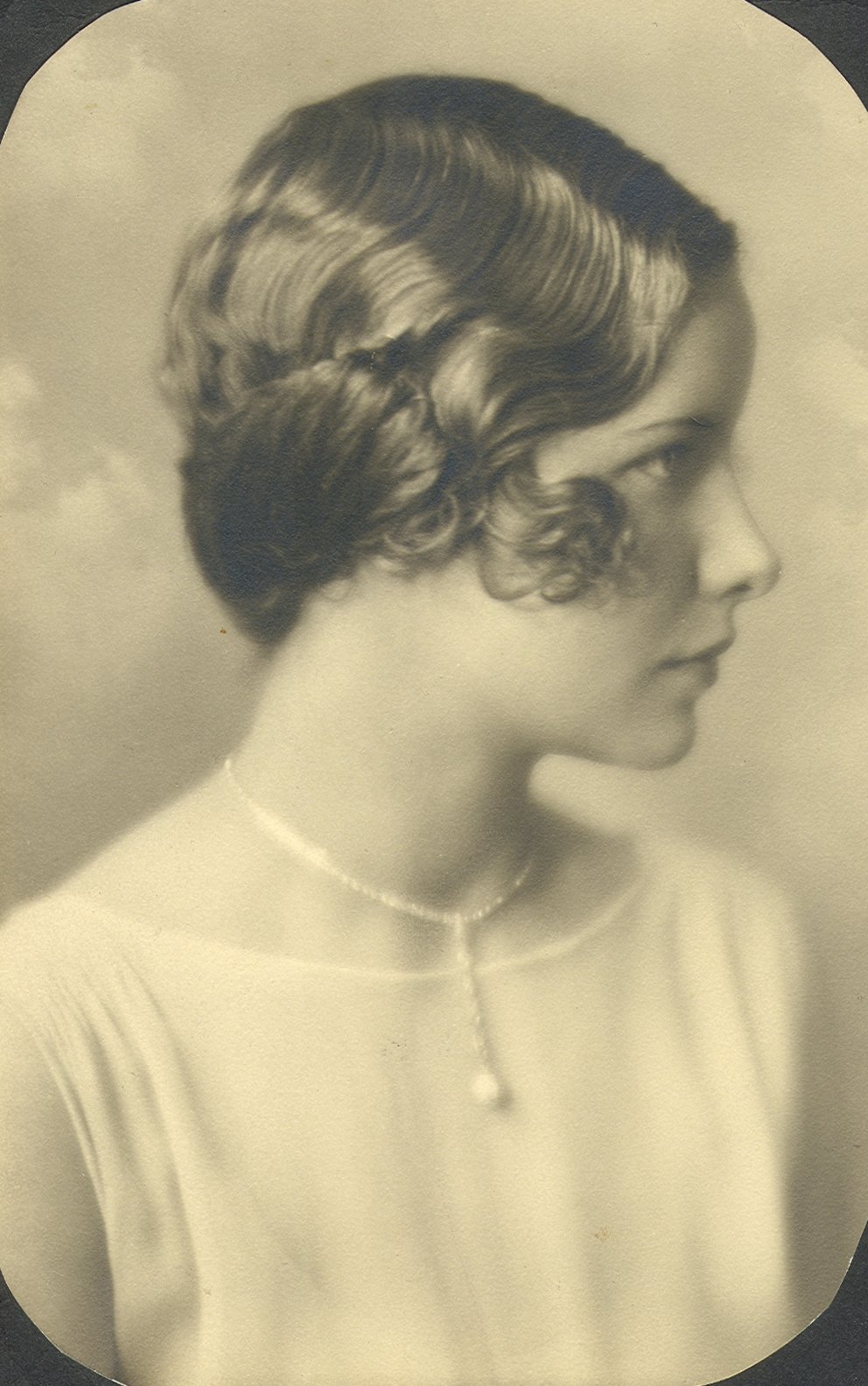 🇺🇸 United StatesFinger wave
S-shaped waves set by hand with comb and gelStyled · Straight hair · 1920
 🇯🇵 JapanSeiko-chan cut
A feathered Japanese idol hairstyle from the 1980s.Cut · Straight hair · 1980