Digital perm
Heat-set waves that look best when dry.
A digital perm uses heated rods controlled by a machine to create lasting curls. Developed in Japan, this method produces soft waves that appear most defined on dry hair, unlike traditional cold perms. It is popular in East Asia for its smooth finish and easy styling.
- Waves look best when hair is dry.
- Uses heated rods with digital control.
- Hair feels softer and shinier after.
- Trademarked by Japanese firm Paimore.
- Takes longer than a traditional cold perm.
What it is
This style creates soft, natural-looking waves that are most visible when the hair is dry. Unlike older methods that leave hair looking wet or locked when damp, the digital perm results in loose, bouncy curls once air-dried or blow-dried. The texture feels smoother and shinier than traditional permed hair. It mimics the look of hot curlers but lasts much longer. Wearers enjoy a polished appearance without the stiffness often associated with chemical treatments. The waves loosen slightly when wet, returning to their defined shape as they dry.
Where it comes from
The technique was developed in Japan by Paimore Co., which holds the trademark for the name. It gained popularity across East Asia, particularly in South Korea and Japan, as a modern alternative to cold perms. Stylists often refer to it generically as a hot perm due to the use of heated rods. The method spread through salons offering advanced thermal reconditioning services, appealing to those seeking low-maintenance volume and movement.
What it means
This perm represents a shift towards low-maintenance elegance in daily grooming. It allows individuals to achieve a styled look that requires minimal effort after washing. The emphasis on dry definition aligns with modern preferences for natural texture over rigid, wet-look styles. It offers a professional finish suitable for everyday wear, reducing the need for daily heat styling tools like irons or wands.
How it is made
Stylists apply a specific chemical solution to the hair, differing from those used in cold perms. Sections of hair are wrapped around rods connected to a machine with a digital temperature display. The heat processes the hair while the chemicals break and reform bonds. After processing, a neutralizer sets the new shape. The entire process usually takes longer than a standard cold perm. Once finished, the hair is rinsed and dried. Users can enhance curls by twisting them around a finger if they loosen during the day.
Who and what it suits
It works well for various hair types, leaving strands feeling softer and smoother than traditional methods. Those who prefer waves that define themselves as they dry will find this ideal. It is suitable for people who want to avoid the heavy, wet look of cold perms. The result is shiny and manageable, making it a good choice for those seeking a natural yet polished aesthetic without daily styling struggles.
Versions
Stylists may call it a hot perm in general practice. While the core technology remains consistent, different salons may use varying solutions or machines, affecting the final cost and duration. Some systems allow only one client at a time, influencing pricing. The fundamental difference remains the heat application, distinguishing it from cold perms that rely solely on chemicals at room temperature.
In culture
Popular in Japanese and South Korean beauty cultures, this style reflects a preference for high-tech salon treatments. It appears in regional media as a modern hair solution. The trademarked nature of the term highlights the commercial development of beauty technologies in Asia. It stands as a common service in urban salons, catering to professionals and students alike who value efficient, long-lasting style.
Questions people ask about Digital perm
How does it differ from a normal perm?
A normal cold perm shows waves best when wet and looks loose when dry. A digital perm creates curls that are most prominent when dry and loosen when wet, mimicking hot curlers.
Is it expensive?
It is usually slightly more expensive than a cold perm. Costs can be higher if the salon uses a machine that serves only one client at a time.
How do you style it daily?
Styling is simple. Blow-dry the hair and use your hand to shape curls. If waves loosen by evening, twist them around a finger to revive the shape.
Good reading and sources
The facts on this page come from the Wikipedia article "Digital perm", written by its contributors and used under the CC BY-SA 4.0 licence, and from its Wikidata record (CC0). EveryHairstyle rewrote the text in its own words, with AI assistance, and compares every page with the article to make sure no passage is copied. It may be reused under the same CC BY-SA 4.0 licence with a link back.
It may contain mistakes, and figures change over time. Nothing here is investment or buying advice. If something is wrong, tell us. Last refreshed 2026-11-15.
Like Digital perm
All curls and waves 🇫🇷 FranceTitus cut
Short layered cut with curls from late 18th-century FranceCut · Curly hair · 1791
 WorldMarcelling
A heat-styled curl technique from the 1870s.Curls · Any hair · 1872
🇺🇸 United StatesSpiral perm
A chemical treatment creating tight, vertical curls using rods.Curls · Curly hair
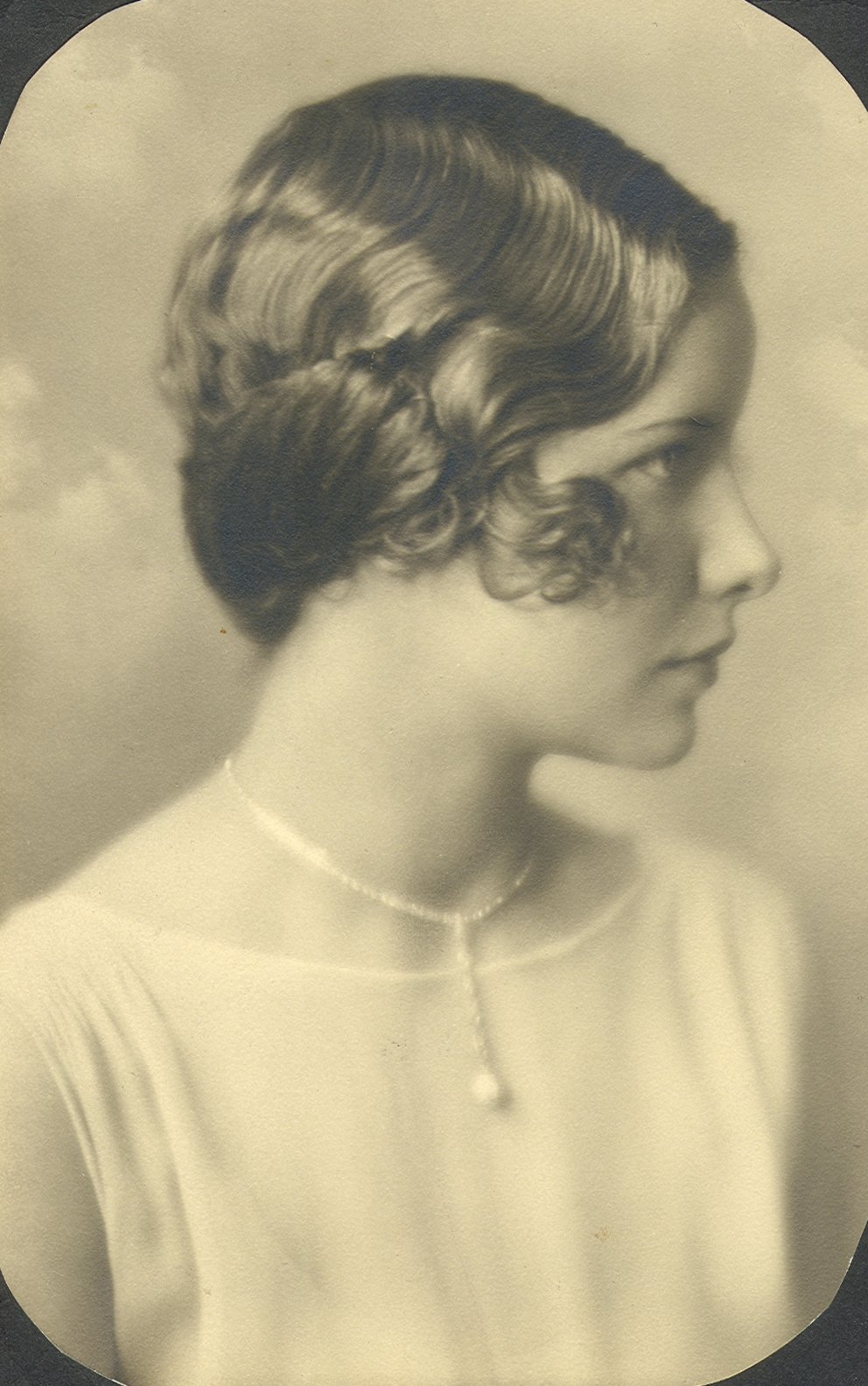 🇺🇸 United StatesFinger wave
S-shaped waves set by hand with comb and gelStyled · Straight hair · 1920