Bantu knots
Twisted coils of hair worn as a protective style or permanent look.
Originating with the Zulu people of South Africa, this hairstyle involves twisting sections of hair into small knots. It serves as a protective measure for natural hair and has recently sparked debates over cultural appropriation when adopted by non-Black celebrities.
- Originated with the Zulu people of South Africa.
- Also known as Zulu knots or Nubian knots.
- Used to indicate marital status and age historically.
- Sparked controversy when worn by Khloe Kardashian.
- Serves as a protective style for natural hair.
What it is
Bantu knots are small, tight coils formed by twisting sections of hair around itself. The style typically requires short to medium-length hair that is sectioned off and defined with products like curl cream. While often used as a heat-free method to create curls later, the knots themselves can be worn as a finished look. Both men and women in the originating culture have historically worn variations of this top knot style.
Where it comes from
The style traces back hundreds of years to the Zulu people, a Bantu ethnic group in South Africa. Historically, these knots indicated marital status and age, with married women sometimes shaving their heads except for a crown of hair teased and dyed with red ochre. The term 'Bantu' translates to 'people' and refers to a large linguistic group across Sub-Saharan Africa. The style resurfaced in mainstream American culture during the hip-hop era of the 1980s and 1990s.
What it means
In its original context, the hairstyle signified social status, age, and marital standing within specific African ethnic groups. In the United States, it has become a symbol of Black identity and a way for African Americans to reconnect with ancestral roots. However, its adoption by non-Black figures has led to accusations of erasing its African heritage and ignoring the historical significance of the name and style.
How it is made
To create the style, hair is first sectioned into distinct parts. Each section is then defined using a styling product such as curl cream. The hair is twisted tightly and wrapped around itself to form a compact knot on the scalp. This process can be repeated across the entire head or in specific patterns. The twists are secured without heat, allowing the hair to remain protected.
Who and what it suits
The style is best suited for natural, curly, or coily hair textures that hold their shape well when twisted. It works effectively for those seeking a protective style that minimizes manipulation and breakage.
Versions
The style is also known as Zulu knots or Nubian knots. Variations include wearing the knots in a mohawk fashion, as seen in high-fashion runways, or using them as a base for other styles. Some modern interpretations refer to the look as 'mini buns,' though this terminology is criticized for disconnecting the style from its African origins. Other related techniques include complex braiding patterns that serve similar social functions.
In culture
The hairstyle has been worn by celebrities such as Rihanna, Tracee Ellis Ross, and Amandla Stenberg. Controversy arose when Khloe Kardashian posted images of herself in the style, leading to backlash for cultural appropriation. These incidents highlight ongoing tensions regarding who gets to wear traditional Black hairstyles and how they are presented.
Questions people ask about Bantu knots
What are Bantu knots?
Bantu knots are a hairstyle where hair is sectioned, twisted, and wrapped into small coils on the scalp. They originate from the Zulu people of South Africa and are used both as a protective style and a finished look.
Who invented Bantu knots?
The style was originated by the Zulu people, a Bantu ethnic group in South Africa. Historically, it was worn by both men and women to signify marital status, age, and social standing within the community.
Why are Bantu knots controversial?
Controversy arises when non-Black individuals wear the style without acknowledging its African origins. Critics argue that this constitutes cultural appropriation and erases the historical significance of the name and the people who created it.
How do you make Bantu knots?
Hair is divided into sections and defined with a product like curl cream. Each section is then twisted tightly and wrapped around itself to form a knot. No heat is required, making it a protective styling method.
Good reading and sources
There is no English Wikipedia article on Bantu knots yet, so the facts on this page come from the sources listed above: hellobeautiful.com/3053899/history-of-bantu-knots, history.com/articles/black-hairstyles-visual-history-in-photos. Some are the subject's own pages, so its claims about itself are reported as its claims. EveryHairstyle wrote the text in its own words, with AI assistance, and compares it with the sources to make sure no passage is copied.
It may contain mistakes, and figures change over time. Nothing here is investment or buying advice. If something is wrong, tell us. Last refreshed 2026-11-15.
Like Bantu knots
All styled and set WorldHair straightening
A technique to flatten and smooth hair texture using heat or chemicals.Styled · Curly hair · 1950
 🇸🇩 Sudan and 4 moreDreadlocks
A hairstyle of rope-like hair strands formed by matting or twisting.Natural · Coily and kinky hair · 1970
 WorldBun
A hairstyle where hair is gathered and coiled into a circular shape on the head.Updo · Any hair
 🇬🇷 GreeceGreco-Roman hairstyles
Hair practices of ancient Greece and Rome, including long locks, short crops, and net head-dresses.Wrapped · Any hair
More from Rihanna
All of them WorldAsymmetric cut
A haircut where one side is longer than the otherCut · Any hair
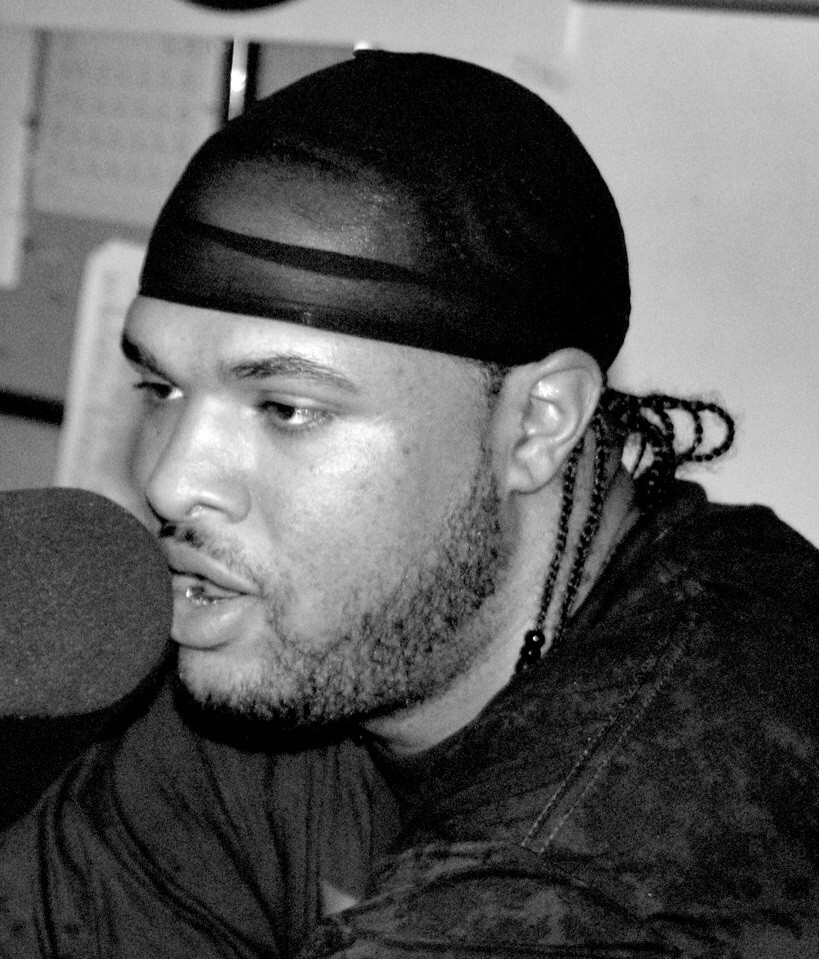 🇺🇸 United StatesDurag
Close-fitting head cloth for hair protection and style maintenance.Wrapped · Curly hair · 1960
WorldJellyfish haircut
A two-tiered style with a short top layer and long lower sections resembling tentacles.Cut · Straight hair · 2023