
Durag
Close-fitting head cloth for hair protection and style maintenance.
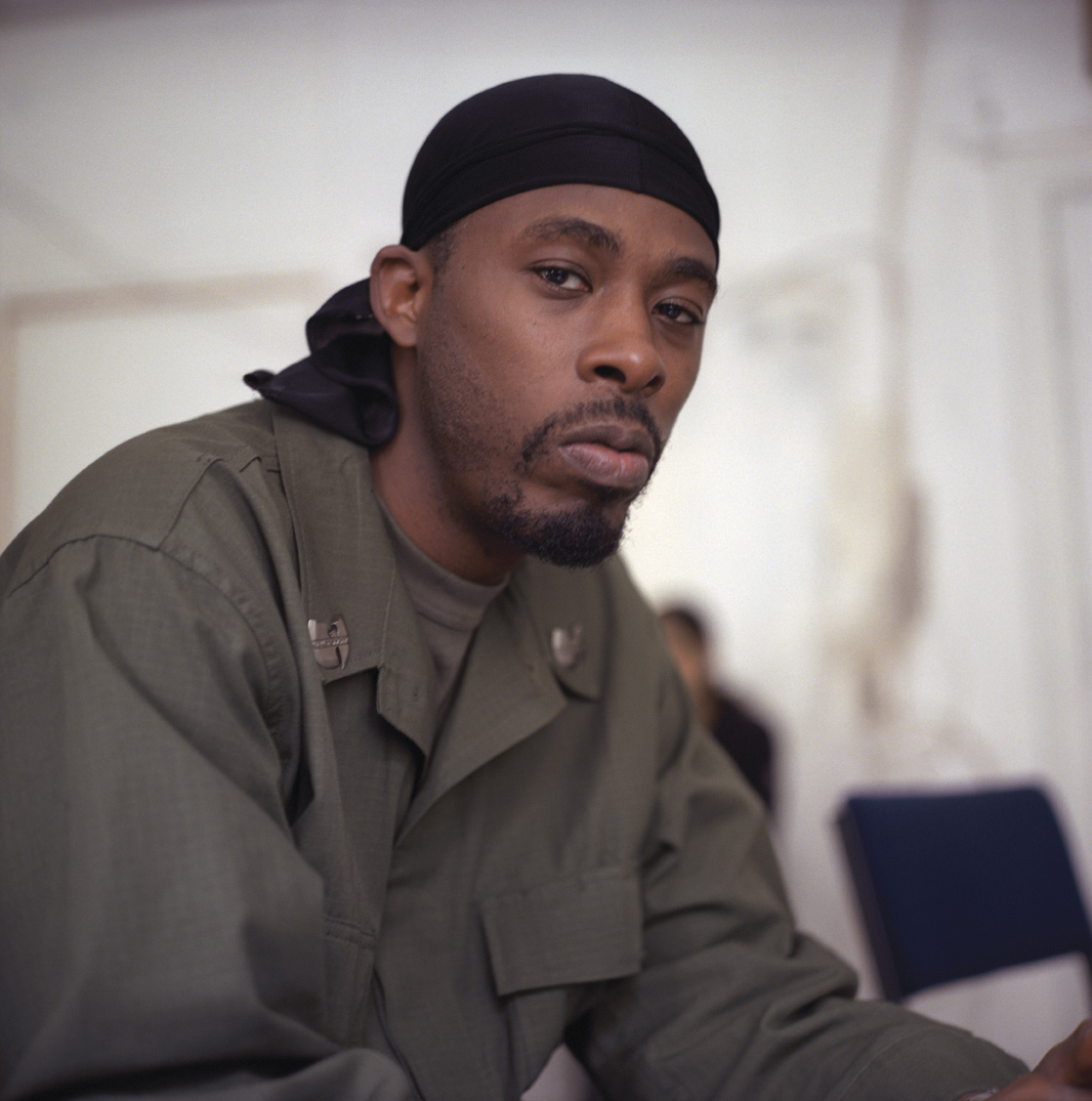
A durag is a tight cloth tied around the head to protect hair textures and maintain styles like waves or locks. Originating in the African American community during the twentieth century, it serves both functional grooming purposes and cultural significance.
- Originated in the African American community
- Helps maintain waves and prevent hair breakage
- Popularised by rappers in the 1990s
- Banned by the NBA in 2005 dress code
- Featured on British Vogue cover in 2020
What it is
A durag is a close-fitting piece of fabric tied securely around the head. It covers the hair completely to keep it in place. People wear it to protect hairstyles such as waves, locks, or braids from shifting during sleep. It is commonly made from silk, satin, polyester, or cotton. While primarily functional, it has become a visible fashion accessory.
Where it comes from
The item emerged within the African American community in the twentieth century. Early printed references appear in the mid-1960s, including a 1964 pamphlet and a 1965 LIFE magazine caption. During the Black Pride movement of the 1960s and 1970s, it became a statement of identity. William J. Dowdy mass-produced the modern tie-down version in 1979. Rappers in the 1990s, such as Jay-Z and Nelly, helped popularise it globally. Recent artists continue to feature it in music and fashion.
What it means
For many wearers, the durag is essential for maintaining healthy textured hair. It symbolises Black pride and cultural heritage. However, it has faced stigma in institutional settings. Some schools and sports leagues have banned it, citing image concerns or safety claims. Critics argue these bans reflect racial bias. Despite controversy, it remains a proud marker of identity and style within Black culture and beyond.
How it is made
Place the centre of the cloth over the forehead. Pull the two long ties back around the head. Cross them at the nape of the neck. Bring them forward again and tie a secure knot. Adjust the fabric so it fits snugly without causing pain. Ensure all hair is tucked underneath. This compression helps set wave patterns or keep braids flat.
Who and what it suits
It suits individuals with curly, coily, or kinky hair textures. These hair types benefit from the moisture retention and friction reduction. It is particularly useful for those cultivating waves or maintaining locks. The fit accommodates various head shapes. It is worn by men and women alike.
Versions
A wave cap is a similar close-fitting cap used for the same purpose. Alternative spellings include do-rag, dew-rag, and doo-rag. Some versions use elastic instead of ties. Materials vary from smooth satin to breathable cotton. Designer versions may feature patterns, such as the Dragon Ball print worn by Thundercat.
In culture
The durag appears frequently in hip hop music and videos. Rihanna wore one on the cover of British Vogue in 2020. Contestants on RuPaul’s Drag Race have incorporated it into high fashion. Conversely, the NFL and NBA have restricted its use in professional settings. High school dress codes have also sparked protests, such as the 2019 walk-out in Pasadena.
Questions people ask about Durag
What is the main purpose of a durag?
It protects hair from breakage and keeps styles like waves or braids in place. It also helps maintain natural oils in the hair during sleep.
Why have some sports leagues banned durags?
Leagues like the NFL and NBA cited image concerns and safety hazards. Critics argued these reasons masked racial bias against Black cultural expressions.
What materials are durags usually made from?
They are typically made from silk, satin, polyester, or cotton. Smooth materials like satin help reduce friction and retain moisture better.
Good reading and sources
- Rihanna makes history:The Guardian, Article
- ON PRO FOOTBALL; Blacks at Center Stage in Rancorous Debate on Headgear (Published 2001)The New York Times, Article
The facts on this page come from the Wikipedia article "Durag", written by its contributors and used under the CC BY-SA 4.0 licence, and from its Wikidata record (CC0). EveryHairstyle rewrote the text in its own words, with AI assistance, and compares every page with the article to make sure no passage is copied. It may be reused under the same CC BY-SA 4.0 licence with a link back.
It may contain mistakes, and figures change over time. Nothing here is investment or buying advice. If something is wrong, tell us. Last refreshed 2026-11-15.
Like Durag
All covered and wrapped 🇻🇳 VietnamKhăn vấn
A traditional Vietnamese head wrap coiled tightly around the hair.Wrapped · Any hair · 1744
 🇮🇳 India and 3 moreDastar
A turban worn by Sikhs to cover uncut hair and signify faith.Wrapped · Any hair · 1699
 🇺🇸 United StatesTignon
A wrapped cloth headdress worn by Creole women in Louisiana.Wrapped · Any hair · 1786
 🇬🇧 United KingdomSnood
A net or cloth bag that holds hair at the back of the head.Wrapped · Any hair · 1590
