Pin curls
Vintage wet-set technique for soft waves and volume
Pin curls are a hair setting method popular from the mid-1930s to the 1950s. Damp hair is wound into small loops and secured flat against the scalp with clips or pins. This technique creates lasting waves and volume without heat tools. It was widely used by women at home and in salons during the era.
- Popular from mid-1930s to 1950s
- Uses damp hair and setting lotion
- Creates waves without heat tools
- Requires pins or clips to secure
- Brushed out after drying
What it is
Pin curls involve winding small sections of damp hair into tight loops. These loops are pinned flat against the scalp to dry. Once dry, the pins are removed and the hair is brushed out. This process creates soft, uniform waves or curls. The style adds volume and structure to the hair. It works on various hair lengths but suits short to medium cuts best. The result is a polished, retro look with controlled movement.
Where it comes from
This technique emerged in the mid-1930s as hairstyles became fuller. It evolved from the finger waving methods of the 1920s. Pin curls remained a standard styling method through the 1950s. Women across social classes used them, from film stars to housewives. Newspapers and magazines of the era published detailed instructions. The method allowed women to maintain salon-quality styles at home between professional visits.
What it means
Pin curls represented self-sufficiency and grooming standards of the mid-twentieth century. During wartime, they offered a practical way to look polished without frequent salon trips. They signified a neat, feminine appearance aligned with contemporary fashion norms. Mastering the technique was seen as a valuable domestic skill. The style reflected the era's emphasis on structured, elegant silhouettes.
How it is made
Start with clean, damp hair. Apply a setting lotion for hold and pliability. Section the hair into small squares, about one inch each. Comb each section smooth. Wind the hair from the ends toward the scalp using your fingers. Secure the loop flat against the head with bobby pins or metal clips. Ensure pins cross in the center to hold firmly. Allow hair to dry completely, ideally under a hood dryer. Remove pins gently and brush the curls into shape.
Who and what it suits
This method works well for fine, medium, and coarse hair textures. Fine hair benefits from the added volume and hold. Coarser hair holds the wave pattern longer. It is ideal for those seeking defined waves without heat damage. The technique requires patience and practice to master consistent tension. It suits face shapes that benefit from added width or height at the sides.
Versions
Curls can be pinned flat for sleek waves or stood up for volume. Side curls often lie flat while top curls stand for height. Direction matters: curls on the left side wind right, and vice versa. Back sections may wind uniformly for a smooth roll. Wire-mesh coils can create pompadour effects. Tighter winds yield smaller curls, while looser wraps create softer waves.
In culture
Pin curls appear frequently in vintage advertisements and beauty columns. They symbolize the classic Hollywood glamour of the 1940s and 1950s. Modern vintage enthusiasts revive the technique for authentic period looks. It contrasts with modern heat-styling methods. The style is associated with mid-century domestic life and femininity. It remains a key element in historical reenactment and retro fashion.
Questions people ask about Pin curls
What tools do I need for pin curls?
You need bobby pins or metal hair clips, a comb, and setting lotion. A continuous spray bottle helps keep hair damp. A hooded dryer speeds up the drying process significantly.
Can I use pin curls on short hair?
Yes, pin curls work well on short to medium length hair. Single prong clips are recommended for fine or short hair. The technique adds volume and shape to shorter cuts effectively.
How long does it take for pin curls to dry?
Drying time varies by hair thickness and dampness. Air drying takes several hours. Using a hooded dryer reduces this time and helps set the curl more firmly for longer lasting results.
Good reading and sources
There is no English Wikipedia article on Pin curls yet, so the facts on this page come from the sources listed above: clickamericana.com/topics/beauty-fashion/pin-curls-hairstyle, vintagehairstyling.com/bobbypinblog/2017/07/demystifying-pin-curls-a-s, atomiccherry.com.au/blogs/our-blog/pin-curl-basics-1940s-1950s-hairsty. Some are the subject's own pages, so its claims about itself are reported as its claims. EveryHairstyle wrote the text in its own words, with AI assistance, and compares it with the sources to make sure no passage is copied.
It may contain mistakes, and figures change over time. Nothing here is investment or buying advice. If something is wrong, tell us. Last refreshed 2026-11-15.
Like Pin curls
All styled and set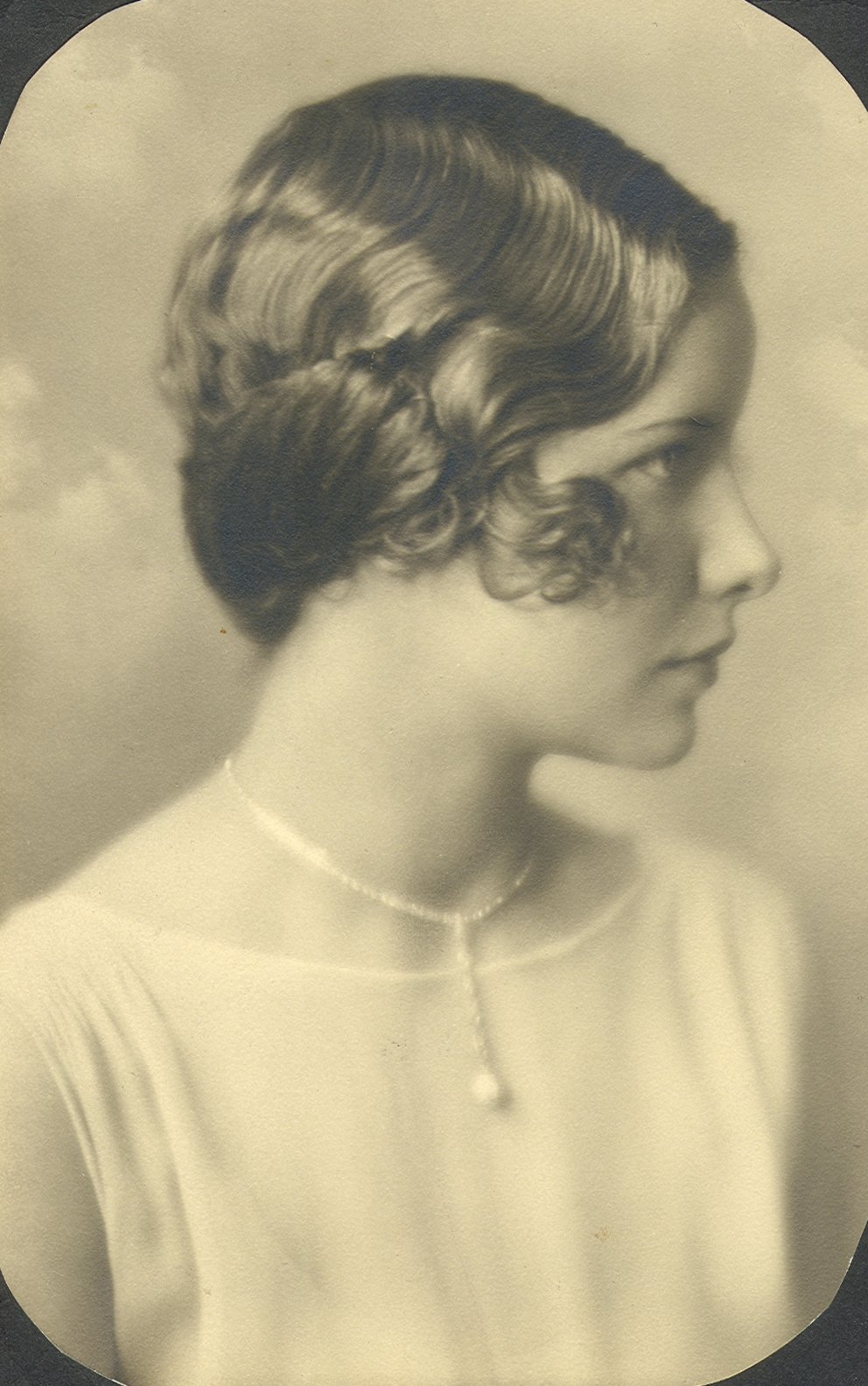 🇺🇸 United StatesFinger wave
S-shaped waves set by hand with comb and gelStyled · Straight hair · 1920
🇬🇧 United KingdomVictory rolls
A 1940s women's hairstyle featuring voluminous side rolls shaped like the letter V.Styled · Straight hair · 1940
 🇯🇵 JapanSeiko-chan cut
A feathered Japanese idol hairstyle from the 1980s.Cut · Straight hair · 1980
 WorldWings
A layered cut where side hair flips out like wings.Cut · Wavy hair · 1830