
Jewish headcovering
A religious practice requiring married Orthodox Jewish women to cover their hair in public.
Orthodox Jewish law mandates that married women conceal their hair as a sign of modesty and marital status. This custom, known as kisui rosh, involves various garments like scarves, wigs, or hats, reflecting deep theological roots in halacha and historical tradition.
- Married Orthodox Jewish women must cover their hair in public per halacha.
- Common coverings include scarves (tichel), wigs (sheitel), and hats.
- The practice signifies modesty (tzniut) and marital status.
- Wig usage began in the 18th century and faces ongoing rabbinic debate.
- Yemeni Jews historically wore the gargush headdress.
What it is
This style refers to the mandatory covering of hair by married Orthodox Jewish women when in the presence of men other than close family members. The practice is termed kisui rosh. Common items include headscarves called mitpachat or tichel, snoods, hats, and wigs known as sheitels. Some communities also use partial wigs called shpitzels or specific headdresses like the gargush from Yemeni traditions. The covering must hide most or all of the hair, depending on strictness levels within different rabbinic opinions.
Where it comes from
The requirement stems from halacha, with sources citing the sotah ritual in Numbers and Talmudic discussions on dat yehudit. Historically, head covering signified dignity and marital availability. In Yemen, unmarried girls once covered their hair like Muslim peers, a custom abandoned after emigration. The use of wigs began in the eighteenth century but faced opposition. Controversies arose recently regarding the sourcing of hair for wigs, particularly from Indian temples, leading to debates on kosher certification for sheitels.
What it means
Covering hair is central to tzniut, the code of modesty. It signals that a woman is married and unavailable to others. It serves as an act of awe before God, similar to a man wearing a kippah. For some, it identifies them with the religious community. Non-Orthodox women may adopt it as spiritual devotion, ethnic expression, or feminist reclamation of modest dress, resisting cultural norms of body exposure.
How it is made
Women secure their natural hair using various methods. Scarves are tied in multiple ways based on casual or formal attire. Wigs, including lace-front styles or falls, are worn often over elastic caps or under hats. Partial wigs called shpitzels leave the back covered by a hat or scarf. Padded caps may be used under scarves for shape. The goal is to ensure no more than a small amount of hair, if any, is visible according to individual community standards.
Versions
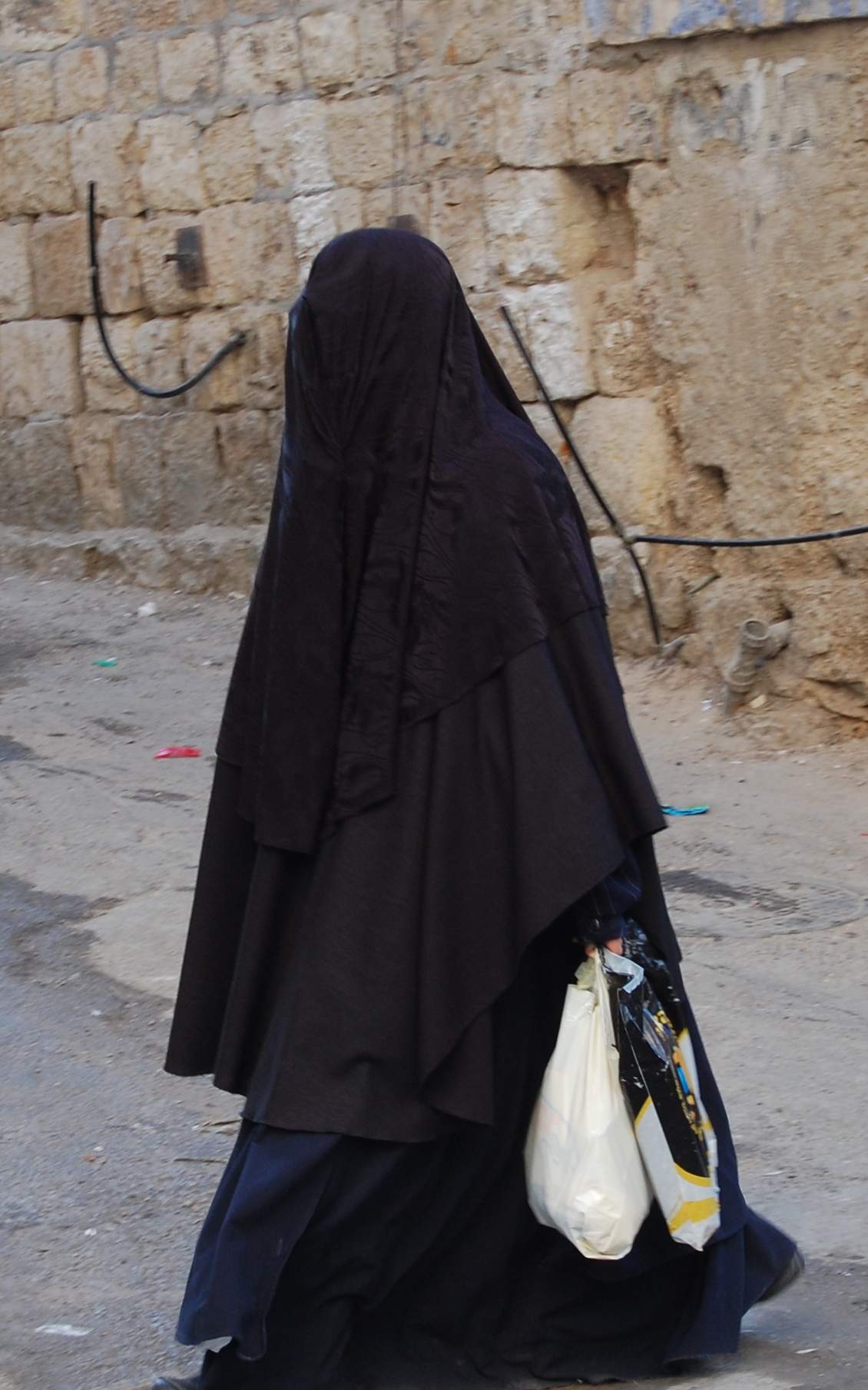
Variations include the mitpachat (headscarf), sheitel (full wig), shpitzel (partial front wig), and shal (full body and face covering associated with fundamentalist groups). The gargush was a traditional Yemeni headdress. Conservative synagogues may require kippot for women during services as a gesture of egalitarianism. Modern trends include lace-front wigs and real hair pieces, contrasting with traditional synthetic or heavy bang styles.
In culture
The practice is a key identifier of Orthodox Jewish identity. It has sparked legal and social debates regarding dress codes and discrimination. Controversies over wig sourcing, such as the prohibition of hair from Hindu temples, highlight intersections with other faiths. Non-Orthodox adoption reflects broader cultural shifts towards spiritual autonomy and feminist reinterpretation of traditional gender roles in religious settings.



Questions people ask about Jewish headcovering
Who is required to wear a head covering?
Married Orthodox Jewish women are required to cover their hair in the presence of unrelated men. Unmarried women generally do not, though some communities braid hair to avoid dishevelment. Divorced or widowed women may continue the practice or uncover based on personal need and community rulings.
What are the most common types of coverings?
The most accepted forms are headscarves (mitpachat or tichel) and snoods. Wigs (sheitels) are also widely used, especially in Modern Orthodox communities. Other options include hats, berets, and partial wigs known as shpitzels, often paired with a hat or scarf.
Why do some women wear wigs instead of scarves?
Some women prefer wigs for practicality or aesthetic reasons. While traditionally opposed by some rabbis, many authorities permit them. However, there is debate about whether realistic wigs undermine modesty. Some communities require an additional layer like a hat over the wig to ensure it is clearly a covering.
Is head covering required in non-Orthodox Judaism?
Generally, no. Conservative and Reform movements do not mandate it. However, some traditional Conservative synagogues request it during services. Liberal groups may encourage women to wear kippot as a feminist gesture of equality rather than modesty. Some non-Orthodox women choose to cover voluntarily for spiritual reasons.
Good reading and sources
- Head covering for Jewish women on WikipediaEncyclopedia
- More photos on Wikimedia CommonsPhotos
- Wikidata recordOpen data
The facts on this page come from the Wikipedia article "Head covering for Jewish women", written by its contributors and used under the CC BY-SA 4.0 licence, and from its Wikidata record (CC0). EveryHairstyle rewrote the text in its own words, with AI assistance, and compares every page with the article to make sure no passage is copied. It may be reused under the same CC BY-SA 4.0 licence with a link back.
It may contain mistakes, and figures change over time. Nothing here is investment or buying advice. If something is wrong, tell us. Last refreshed 2026-11-15.
Like Jewish headcovering
All covered and wrapped 🇷🇴 Romania and 4 moreChristian head covering
A cloth veil worn by Christian women for modesty and worship.Wrapped · Any hair
 🇺🇦 UkraineUkrainian wreath
Traditional floral headdress for Ukrainian girls and unmarried womenWrapped · Any hair
 🇮🇳 India and 3 moreDastar
A turban worn by Sikhs to cover uncut hair and signify faith.Wrapped · Any hair · 1699
 🇬🇷 GreeceGreco-Roman hairstyles
Hair practices of ancient Greece and Rome, including long locks, short crops, and net head-dresses.Wrapped · Any hair