
Czupryna
A traditional Polish haircut with shaved sides and a long top, worn by nobility.
The czupryna is a historic Polish hairstyle featuring shaved hair above the ears and on the neck, with longer hair remaining on the crown. It was a defining look for the szlachta nobility during the era of Sarmatism and dates back to at least the Middle Ages.
- Shaved above ears and neck with long hair on top.
- Worn by Polish szlachta nobility for centuries.
- Associated with the Sarmatism cultural movement.
- Mentioned in texts dating back to 1308.
- Variants included higher or lower shaving levels.
What it is
This style features hair shaved above the ears and along the neck at a uniform height. The hair on the top of the head is left significantly longer. It creates a distinct contrast between the short sides and the voluminous crown. The cut was primarily worn by men, specifically within the Polish noble class known as the szlachta. It served as a visual marker of social status and cultural identity for centuries.
Where it comes from
The origins are unclear but likely predate the twelfth century. Earliest written records appear in the thirteenth century from Franciscan monks and poets. By the fourteenth century, chronicles noted it as a standard practice. Prince Leszek the Black faced scandal for growing his hair long to please Germans, highlighting the style's importance. It remained typical until its slow disappearance in the eighteenth century. Archaeological finds from Slavic territories also suggest similar halfshaven customs among other groups.
What it means
The haircut was deeply tied to Sarmatism, a cultural movement embraced by Polish nobility. It signified membership in the szlachta class. Deviating from this style could cause social scandal, as seen when Prince Leszek altered his hair. The look distinguished Poles and other Slavs from their German and Latin neighbors. It represented a specific regional identity and adherence to traditional customs that persisted for hundreds of years.
How it is made
Barbers shaved the hair above the ears and around the neck to create a clean horizontal line. The hair on the crown was kept long. Different variations existed over time. Some types involved shaving higher or lower than others. One variant resembled the Benedictine tonsure. Another was named after Samuel Łaszcz, who popularized a version with higher shaving. A playful trend even reduced the top hair to a small tuft.
Versions
Several specific types developed over time. The old Polish czupryna was the earliest form. The Łaszcz type featured higher shaving. The Cherkess style mirrored Circassian cuts. The Swedish version had lower shaving and used powder. The onion-like head referred to reducing the top hair to a minimal amount. These variations show how the basic structure adapted to different tastes and influences across centuries.
In culture
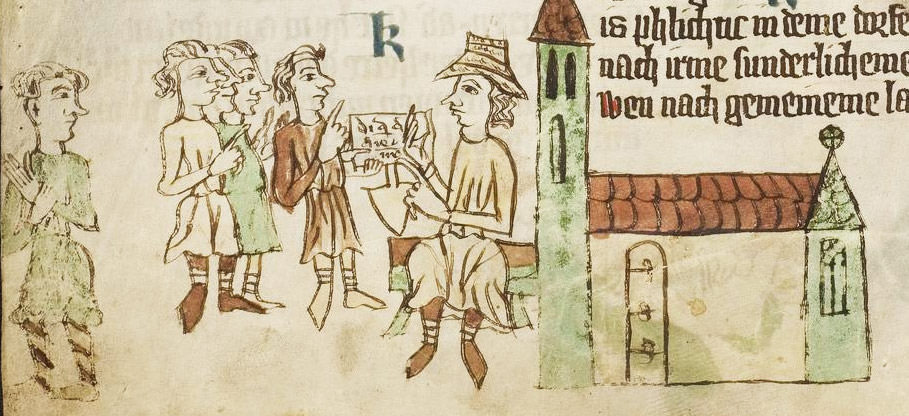
The style appears in medieval art like patens from Płock Cathedral and Ląd monastery. Chronicles from Kraków discuss its social implications. Writers like Bartholomeus Anglicus noted its prevalence among Slavs. Saxo Grammaticus described similar habits among pagan Slavs. The look became synonymous with the szlachta identity. It influenced perceptions of Polish culture in Europe. Similar styles like the oseledets later appeared among Ukrainian Cossacks.


Questions people ask about Czupryna
What does a czupryna look like?
It features hair shaved above the ears and on the neck at the same height. The hair on the top of the head remains long, creating a sharp contrast between the short sides and the voluminous crown area.
Who wore this hairstyle historically?
It was primarily worn by the szlachta, the Polish nobility. It became a defining characteristic of this social class during the era of Sarmatism and was considered a standard practice for men of high status.
When did the czupryna first appear?
Written mentions date back to the thirteenth century, such as records from 1308. However, archaeological evidence suggests similar halfshaven styles existed among Slavs earlier, possibly before the twelfth century.
Are there different types of this cut?
Yes, historical sources list several variants. These include the old Polish type, the Łaszcz type with higher shaving, the Cherkess style, the Swedish version with powder, and the onion-like head which minimized the top hair.
Good reading and sources
The facts on this page come from the Wikipedia article "Czupryna", written by its contributors and used under the CC BY-SA 4.0 licence, and from its Wikidata record (CC0). EveryHairstyle rewrote the text in its own words, with AI assistance, and compares every page with the article to make sure no passage is copied. It may be reused under the same CC BY-SA 4.0 licence with a link back.
It may contain mistakes, and figures change over time. Nothing here is investment or buying advice. If something is wrong, tell us. Last refreshed 2026-11-15.
Like Czupryna
All cuts WorldBowl cut
A short haircut with a straight fringe and even length around the head.Cut · Any hair · 1400
 🇫🇷 FranceTitus cut
Short layered cut with curls from late 18th-century FranceCut · Curly hair · 1791
 WorldBangs
Strands of hair cut to cover the forehead and fall over the eyebrows.Cut · Any hair · 1880
 🇬🇧 United Kingdom and 2 moreUndercut
Long top hair with shaved or buzzed sides and back.Cut · Any hair · 1910