Braids
A hairstyle formed by interlacing three or more strands of hair.
Braids are a universal hairstyle created by weaving multiple strands together. This practice dates back thousands of years and serves as a social signifier for status, age, and marital standing across many cultures.
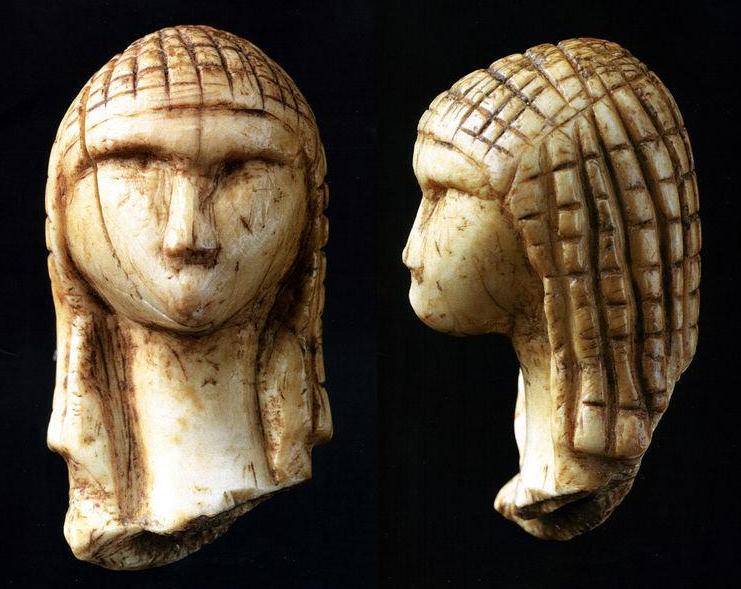
- Earliest depictions date to 28,000 BCE figurines in Austria.
- Cornrows originated in West Africa before the Atlantic slave trade.
- California became the first US state to ban hair discrimination in 2019.
- Qing Dynasty men wore queues; cutting them symbolized political resistance.
- Native American tribes cut braids to mourn loved ones.
What it is
Braids, also called plaits, involve weaving three or more hair strands into a pattern. The structure is typically long and narrow, with strands zigzagging through the mass. Styles range from simple three-strand knots to complex patterns using extra hair or extensions. They can be worn loose, pinned up, or adorned with beads. Both men and women wear them globally, often indicating specific social traits.
Where it comes from
Depictions date to 28,000 BCE figures like the Venus of Willendorf. Braiding was common in Ancient Egypt, Greece, Rome, and Northern Europe during the Iron Age. In West Africa, groups like the Yoruba and Wolof have braided for centuries. During the Atlantic slave trade, styles like cornrows moved to the Americas. Modern popularity surged in the 1990s with celebrities such as Janet Jackson and Beyoncé.
What it means
Braids act as social markers. They reveal marital status, age, wealth, and community affiliation. In some regions, they signal mourning or readiness for courtship. Among Native Americans, unbraided hair showed fearlessness in war. In Qing Dynasty China, cutting the queue symbolized resistance against Manchu rule. In many African cultures, hairstyles identify ethnic groups.
How it is made
The basic method interlaces three strands. More complex versions incorporate additional hair from the head or wefts. Techniques include French braiding and knotless methods to reduce scalp tension. Beads and shells may be added for ornamentation. In Black culture, braids are often tightened for longevity, though this can cause discomfort. Alternatives like twists allow for rest periods between braiding sessions.
Who and what it suits
Suitable for any hair type. Variations exist for different textures and lengths. Knotless braids suit those seeking less tension. Extensions allow for varied lengths and styles. The style adapts to cultural preferences, from tight African braids to loose Indigenous pigtails. It works for everyday wear, formal occasions, and ritualistic purposes.
Versions
Styles include cornrows, box braids, twists, locs, French braids, and pigtail braids. Cultural variations feature the Chinese queue, Mongolian soul-hair braids, and Japanese chonmage. American Indigenous styles include spiral braids and hair drops wrapped in fur. European variants include the halo braid and Germanic folk crowns. Modern mixes use crochet techniques and extensions.
In culture
Braids appear in literature and psychoanalysis as symbols of virginity or castration. Films like Poetic Justice popularized modern box braids. Legal changes in California and New York banned discrimination against natural hair styles. Braid-cutting has been used as punishment or protest, notably in residential schools and anti-Qing rebellions. Horse mane braiding is used in equestrian sports.


Questions people ask about Braids
What are braids made of?
Braids are formed by interlacing three or more strands of human hair. The strands weave over and under each other to create a solid, often long and narrow structure. Additional hair or extensions can be incorporated to change the style.
Why do African braids feel tight?
In Black culture, braids like cornrows are often done tighter than in other traditions to ensure they stay in place longer. This can cause initial discomfort, which is managed with painkillers, low placement, or leave-in conditioners. Knotless techniques offer a less tense alternative.
What do braids signify in Native American cultures?
Styles vary by tribe. For example, Quapaw girls wore spiral braids while married women went loose. Kiowa men wrapped fur around braids. Unbraided hair during war signaled fearlessness. Cutting braids is a traditional way to mourn the loss of a loved one.
How did the Chinese queue relate to politics?
Manchu rulers forced Han Chinese men to shave their foreheads and braid the remaining hair into a queue after conquering Beijing in 1644. Cutting this braid became a powerful symbol of resistance against Qing rule. The last emperor cut his queue in 1922, ending the practice.
Are braids only for women?
No. Men have worn braids throughout history. Vikings, Celts, and Germanic peoples used them. In Japan, Samurai wore the chonmage ponytail-braid. Native American men on the Great Plains wore side braids. Ancient Greek men also wore long, sometimes braided hair until the fifth century BCE.
Good reading and sources
- The Rise of Knotless Braids (Published 2022)The New York Times, Article
- The 160-year mystery of Europe's Ice Age 'queens'BBC, Article
The facts on this page come from the Wikipedia article "Braid (hairstyle)", written by its contributors and used under the CC BY-SA 4.0 licence, and from its Wikidata record (CC0). EveryHairstyle rewrote the text in its own words, with AI assistance, and compares every page with the article to make sure no passage is copied. It may be reused under the same CC BY-SA 4.0 licence with a link back.
It may contain mistakes, and figures change over time. Nothing here is investment or buying advice. If something is wrong, tell us. Last refreshed 2026-11-15.
Like Braids
All braids and plaits WorldBraid
Interlaced strands of hair used for style and social signalling.Braid · Any hair
 EuropeRoman hairstyles
Ancient Roman hair fashions reflecting status and identityUpdo · Any hair
 🇬🇧 United KingdomLovelock
A single long braid worn over the left shoulder by 17th-century Europeans.Braid · Any hair · 1580
 🇷🇺 RussiaRussian braid
A traditional long plait from Russia with historic marital meanings.Braid · Any hair
