Slicked-back hair
A flat, glossy style combed straight back from the forehead.
This style features medium-length hair smoothed flat against the head with oil or pomade. It became standard for men in the 1920s, driven by hat culture and Hollywood stars like Rudolph Valentino who favoured a clean, shiny look.
- Hair needed to be five to seven inches long to reach over the crown.
- Brilliantine oil created a slimy residue that stained furniture.
- Lace doilies were used on chairs to protect against greasy hair.
- Rudolph Valentino popularised the sleek, oiled look in films.
- Hats were worn by almost all men, shaping the flat hairstyle.
What it is
The style consists of medium-length hair, typically five to seven inches long, combed flat against the scalp. The hair is directed straight back over the crown or parted centrally or to the side. The finish is high-gloss and smooth, often described as helmet-like due to its rigid, flattened appearance. It was the dominant look for men during the 1920s, worn both under hats and when bareheaded. The sides are usually kept shorter and tapered, while the top remains long enough to sweep backward without sticking out.
Where it comes from
This look defined men’s grooming in the 1920s, a decade when hats were nearly universal. The need for hair to lie flat under headwear drove the trend. Hollywood actors such as Rudolph Valentino and Fred Astaire popularised the sleek aesthetic. By the 1930s, the style evolved into neater cuts with tapered napes, influencing modern fades. It remained a staple through the 1940s, associated with refined figures like Frank Sinatra, before giving way to longer, looser styles in the 1960s.
What it means
In the 1920s, a slicked head signified adherence to sanitary ideals and social respectability. Facial hair was largely abandoned as it was seen as hiding imperfections or suggesting poor hygiene. A well-oiled head showed one had the means to maintain a polished appearance. For older men, thinning hair combed back with light oil indicated wisdom rather than vanity. The style reflected a cultural shift towards cleanliness and modernity in the post-war era.
How it is made
Start with hair dampened by water, wiping away excess moisture. Apply an oil-based product like Brilliantine, petroleum jelly, or coconut oil directly to the scalp and strands. Use a comb to direct the hair straight back from the forehead over the crown. For a smoother finish without visible comb lines, use a soft brush for the final strokes. Part the hair in the centre, slightly off-centre, or deep on one side depending on face shape. Allow thick hair to dry slightly before applying product to avoid sogginess.
Who and what it suits
Straight hair is the easiest texture to manage for this style. Men with wavy hair can achieve the look using heavy oils or hot irons to straighten the strands. Curly hair may require significant product to suppress volume, though some wore it with only light smoothing. The style works best on those with sufficient density, as balding areas were often covered by hats or toupees. A deep side part can flatter rounder face shapes by adding structure.
Versions
Variations include the centre part, which was common in the early 1920s, and the deep side part, which helped men with thinning hair. The half-crown cut featured short, shaved sides with a few inches of length on top, hanging straight down. A short pompadour kept the top very short and combed up, resembling a military buzz cut. Some men with curly hair opted for a softer shape with loose waves brushed back rather than fully flattened.
In culture
The style is closely linked to the Jazz Age and films like The Great Gatsby. It represented the clean-cut ideal of the era, contrasting with the later rebellious looks of the 1950s and 1960s. The greasy nature of the products used led to household adaptations, such as lace doilies on chair backs to protect upholstery. Today, it is often revived in vintage-themed events or by subcultures appreciating early twentieth-century fashion.
Questions people ask about Slicked-back hair
What product was used to slick hair back in the 1920s?
Men primarily used Brilliantine, an oil-based product that provided high shine but left a greasy residue. Cheaper alternatives included petroleum jelly or simple vegetable oils like coconut or olive oil.
How long did hair need to be for this style?
The hair required a length of about five to seven inches. This was enough to comb back over the crown of the head without sticking out, while keeping the sides shorter and tapered.
Why did men wear their hair slicked back in the 1920s?
The style was practical for wearing hats, which were ubiquitous at the time. It also aligned with societal values that prized cleanliness and a polished, sanitary appearance over facial hair or unkempt looks.
Could men with curly hair wear this style?
Yes, but it required more effort. Curly hair was often straightened with hot irons or weighed down with heavy oil. Some men with bold personalities let their curls bounce freely with just a light layer of product.
Good reading and sources
There is no English Wikipedia article on Slicked-back hair yet, so the facts on this page come from the sources listed above: vintagedancer.com/1920s/1920s-mens-hairstyles-and-products-history/, dmarge.com/iconic-mens-hairstyles-history-1920-1969, vagazine.com/blog/mens-style/the-slick-back-haircut-past-and-present/. Some are the subject's own pages, so its claims about itself are reported as its claims. EveryHairstyle wrote the text in its own words, with AI assistance, and compares it with the sources to make sure no passage is copied.
It may contain mistakes, and figures change over time. Nothing here is investment or buying advice. If something is wrong, tell us. Last refreshed 2026-11-15.
Like Slicked-back hair
All styled and set 🇺🇸 United States and 1 moreDucktail
A 1950s men's cut with a central rear parting.Cut · Straight hair · 1950
 🇺🇸 United States and 1 moreDucktail
A 1950s men's cut with a central rear parting.Cut · Straight hair · 1950
 WorldWings
A layered cut where side hair flips out like wings.Cut · Wavy hair · 1830
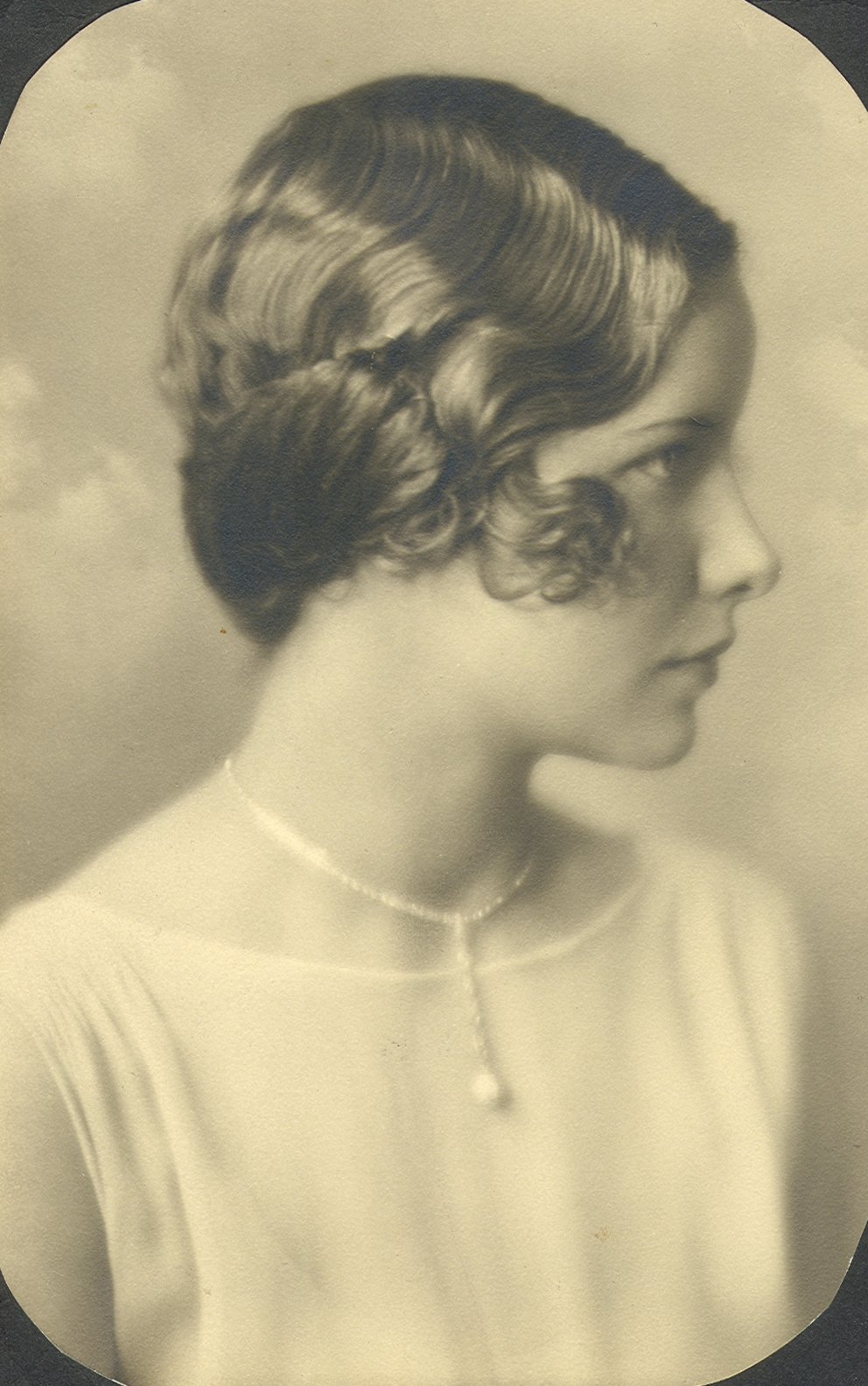 🇺🇸 United StatesFinger wave
S-shaped waves set by hand with comb and gelStyled · Straight hair · 1920