
Shape-up
A sharp, straight trim along the natural hairline.
The shape-up is a grooming technique that trims the natural hairline into a sharp, straight border. It gained widespread popularity in the 1980s within hip-hop culture and remains a foundational element for many textured hair styles.
- Trims the natural hairline into a crisp, straight border.
- Gained popularity in the 1980s through hip-hop musicians.
- Commonly worn by professional basketball players and entertainers.
- Often paired with fades, waves or tall flat tops.
What it is
This grooming technique focuses entirely on the border of the hair. A stylist trims the edges to create a crisp, straight boundary around the forehead, temples and neck. The sides are usually kept very short to highlight this sharp contrast. It is widely worn by athletes and performers who want a neat, polished appearance. The look requires precise trimming to maintain the geometric lines. People with tightly coiled hair often use this method to frame their faces and keep their overall look tidy.
Where it comes from
In the 1970s disco era, many African-Americans wore large, rounded afros to express cultural pride. As the decade turned, preferences shifted toward cleaner, more structured looks. By the mid-1980s, stylists began cutting the sides of afros short while defining the borders. Hip-hop musicians quickly adopted this sharp aesthetic. Performers like Big Daddy Kane and the duo Eric B and Rakim helped spread the style by pairing it with tall, flat tops. This transition marked a move from natural volume to precise, geometric grooming.
What it means
Originally, the broader afro style served as a powerful symbol of cultural pride and identity for African-Americans. When the look evolved into this sharper version, it maintained that connection to Black culture while adding a layer of modern sophistication. Today, it remains deeply tied to hip-hop culture and urban fashion. Wearing a crisp border signals attention to detail and personal grooming. It acts as a visual marker within communities that value sharp, stylish presentation and musical heritage.
How it is made
A barber or stylist uses precise tools to carve out the borders. They start by mapping the natural growth pattern on the forehead and neck. The hair is then trimmed along these mapped lines to form a completely straight, sharp edge. Any stray hairs outside this boundary are shaved away. The sides and back are typically clipped very short to create a stark contrast with the longer hair on top. The final step involves checking the symmetry to ensure the angles are perfectly even and the lines remain crisp.
Who and what it suits
This technique is specifically designed for tightly coiled and Afro-textured hair. The tight curl pattern allows the hair to hold a sharp, defined edge without fraying. It works best when the hair is kept relatively short on the sides. While it frames many face shapes well, the geometric lines can be adjusted to complement round, square or oval profiles by altering the angle of the forehead border.
Versions
This sharp border is a foundational element for many other textured hair designs. It is frequently combined with a fade, where the hair gradually blends from skin to longer lengths on top. Another popular variation pairs the crisp edges with a tall, flat top, creating a striking vertical silhouette. Stylists also incorporate it into wave patterns and add distinct, straight partings through the hair. Each variation relies on the same precise edge-trimming technique to keep the overall look neat.
In culture
The style is deeply embedded in hip-hop and mainstream pop culture. It is a standard grooming choice for professional basketball players, who often display their sharp hairlines on the court and in media. Entertainers and musicians also frequently sport the look, using it to project a polished, confident image. Through music videos, sports broadcasts and public appearances, the aesthetic has reached a global audience, cementing its status as a staple of modern urban fashion and athletic culture.


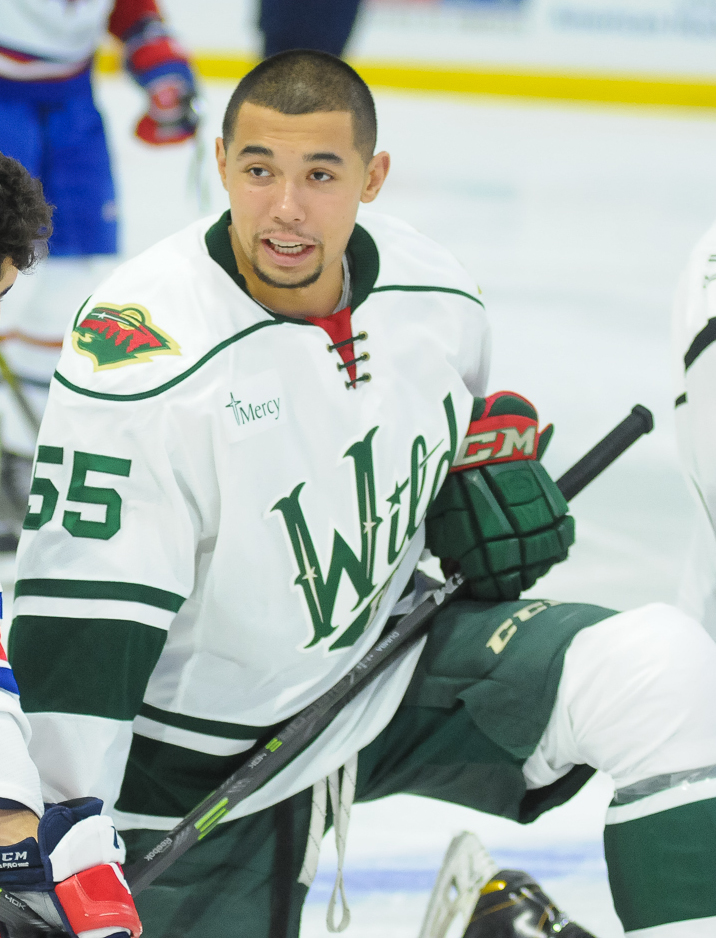
Questions people ask about Shape-up
What is the difference between a line-up and an edge-up?
There is no difference. Both terms refer to the exact same grooming technique of trimming the natural hairline to create a sharp, straight border around the forehead and neck.
Who popularized this sharp hairline style in the 1980s?
Hip-hop musicians played a major role in making the look famous. Performers like Big Daddy Kane and the duo Eric B and Rakim helped spread the aesthetic by pairing the crisp borders with tall, flat tops.
What hair types work best for this precise trimming technique?
The technique is specifically designed for tightly coiled and Afro-textured hair. The tight curl pattern allows the hair to hold a sharp, defined edge without fraying, making it ideal for creating crisp geometric lines.
Good reading and sources
The facts on this page come from the Wikipedia article "Shape-up", written by its contributors and used under the CC BY-SA 4.0 licence, and from its Wikidata record (CC0). EveryHairstyle rewrote the text in its own words, with AI assistance, and compares every page with the article to make sure no passage is copied. It may be reused under the same CC BY-SA 4.0 licence with a link back.
It may contain mistakes, and figures change over time. Nothing here is investment or buying advice. If something is wrong, tell us. Last refreshed 2026-11-15.
Like Shape-up
All shaved and partly shaved 🇺🇸 United StatesHi-top fade
Tall flat top with shaved sides from hip hop cultureCut · Coily and kinky hair · 1984
 🇸🇩 Sudan and 4 moreDreadlocks
A hairstyle of rope-like hair strands formed by matting or twisting.Natural · Coily and kinky hair · 1970
 🇺🇸 United StatesMohawk
A hairstyle with shaved sides and a central strip of longer hair.Shaved · Any hair · 1970
WorldFrosted tips
Short spiky hair with bleached ends.Cut · Any hair · 1998