
Jokduri
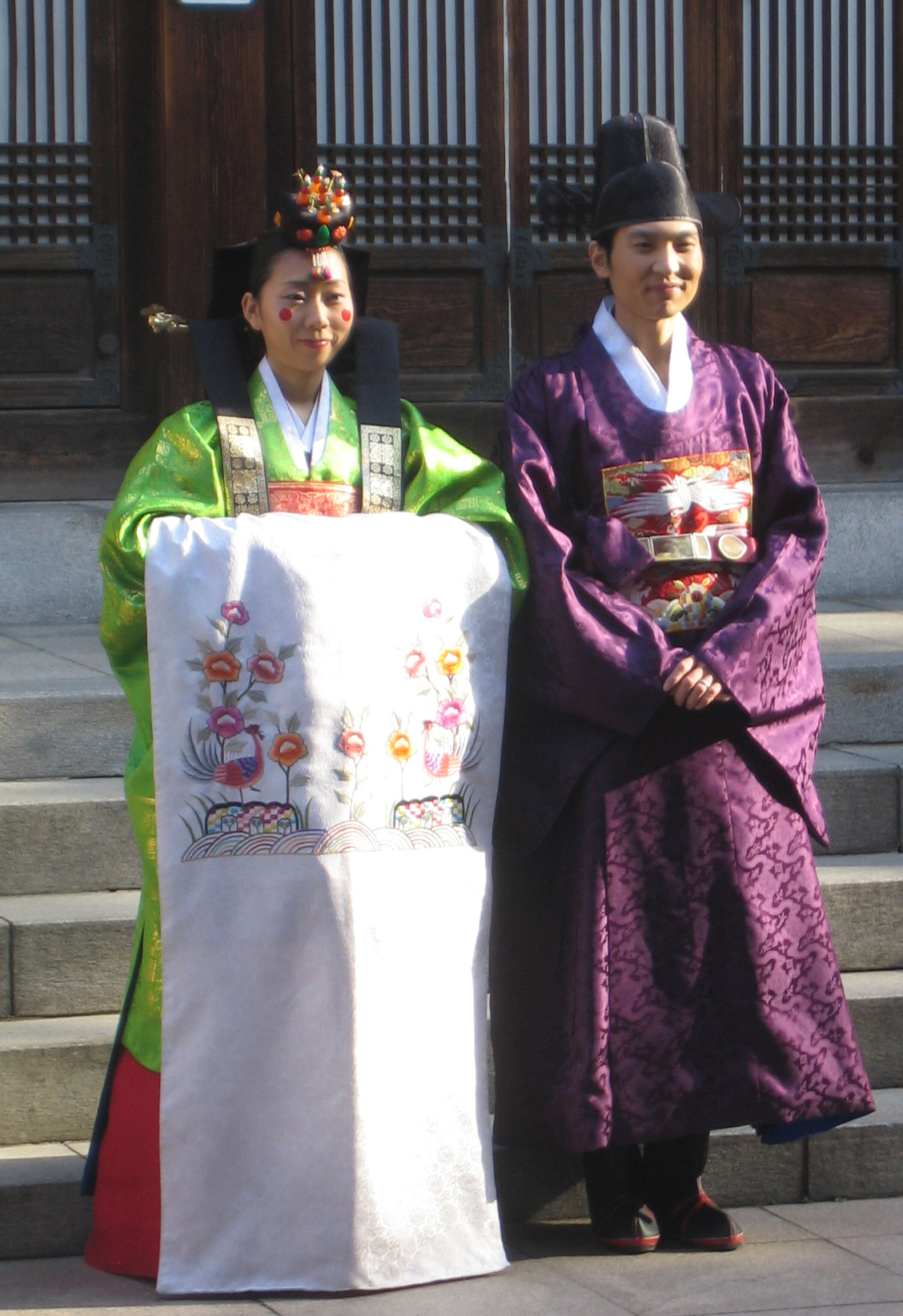
A traditional Korean silk coronet worn by women for weddings and formal events.
The jokduri is a historic Korean headpiece designed for female wearers during significant life events like marriages. It features a structured shape with black silk covering and decorative metal ornaments, reflecting both fashion and social standing in past dynasties.
- Made with a cotton and paper inner core covered in black silk.
- Top decorated with cloisonné ornaments and optional gold or silver.
- Derived from Mongolian gogori caps during the late Goryeo period.
- Promoted by King Yeongjo and King Jeongjo after banning gache wigs.
- Used for weddings, funerals, and daily royal court occasions.
What it is
This item is a small crown-like hat made specifically for women. The structure has a hexagonal top that tapers into a cylindrical base. An inner layer uses cotton and stiff paper for support, while the outside is wrapped in black silk. Decorative cloisonné pieces sit on the peak. Gold or silver attachments can be added to show the wearer's rank. It is distinct from larger wigs called gache.
Where it comes from
The design likely originated from Mongolian outing caps known as gogori during the late Goryeo era. Intermarriage between Goryeo and the Chinese Yuan dynasty facilitated this exchange. Early versions were taller than later styles. During the Joseon dynasty, the shape became more compact. King Gwanghaegun introduced black silk covers. Later, King Yeongjo and King Jeongjo banned large wigs and promoted this coronet instead. A decree in 1788 restricted excessive decoration and mandated specific inner fabrics.
What it means
Wearing this piece signals high social status within historical Korean society. The materials used, such as precious metals, indicate wealth and rank. It replaced earlier wig styles through royal decree, becoming a standard fashion choice for women. Different variations existed for funerals, weddings, and daily court use, marking specific ceremonial roles.
How it is made
Craftsmen build the core using cotton and hard paper to maintain shape. They then cover this frame with black silk fabric. The top section receives cloisonné ornamentation. Additional gold or silver accessories may be attached depending on the wearer's position. The final form narrows toward the bottom edge to fit securely on the head.
Versions
Variations include styles for weddings, funerals, and daily royal court activities. Historical changes occurred under different kings, such as the shift to purple inner fabric during King Gwanghaegun's reign. Restrictions on cloisonné usage led to simpler designs in the late Joseon period compared to earlier elaborate versions.
In culture
It represents a key element of traditional Korean female attire. Royal edicts shaped its popularity by banning alternative headwear. The style reflects cultural exchanges with Mongolia and China. It remains a symbol of heritage in modern interpretations of hanbok and wedding customs.

Questions people ask about Jokduri
What is a jokduri?
A jokduri is a traditional Korean coronet worn by women. It features a black silk exterior over a cotton and paper interior, topped with cloisonné decorations. It serves as formal headgear for weddings and other special ceremonies.
Where did the jokduri originate?
It likely evolved from the Mongolian gogori cap during the late Goryeo period. This change occurred due to intermarriages between Goryeo and the Yuan dynasty of China, introducing new headwear styles to Korea.
Why did women start wearing jokduri instead of wigs?
Kings Yeongjo and Jeongjo prohibited the wearing of large wigs called gache. They encouraged women to adopt the jokduri instead, making it a widespread fashion trend during the late Joseon dynasty despite earlier restrictions on excessive decoration.
Good reading and sources
The facts on this page come from the Wikipedia article "Jokduri", written by its contributors and used under the CC BY-SA 4.0 licence, and from its Wikidata record (CC0). EveryHairstyle rewrote the text in its own words, with AI assistance, and compares every page with the article to make sure no passage is copied. It may be reused under the same CC BY-SA 4.0 licence with a link back.
It may contain mistakes, and figures change over time. Nothing here is investment or buying advice. If something is wrong, tell us. Last refreshed 2026-11-15.
Like Jokduri
All covered and wrapped 🇮🇳 India and 3 moreDastar
A turban worn by Sikhs to cover uncut hair and signify faith.Wrapped · Any hair · 1699
 🇺🇦 UkraineUkrainian wreath
Traditional floral headdress for Ukrainian girls and unmarried womenWrapped · Any hair
 🇷🇴 Romania and 4 moreChristian head covering
A cloth veil worn by Christian women for modesty and worship.Wrapped · Any hair