
Regular haircut
Classic men's style with tapered sides and combed top.
A standard Western men's hairstyle featuring hair long enough to comb on top with a side part. The back and sides are tapered from short to long, creating a clean, professional look rooted in Roman military tradition.
- Originated as a Roman military regulation to prevent lice.
- Revived in Regency era after hair powder tax ended wigs.
- Sideburn length can visually adjust perceived face length.
- Tapering blends hair from long on top to short at edges.
- Standard professional look in Western white-collar workplaces.
What it is
This style features hair on the crown and front long enough to comb, often with a defined or deconstructed side part. The back and sides vary in length, ranging from very short to extra long, but always taper towards the lower hairline. It is a versatile cut for men and boys, suitable for daily wear and professional settings. The look balances neatness on the edges with volume on top, allowing for various interpretations of the taper intensity.
Where it comes from
The short back and sides originated in the Roman Empire as a regulation cut for legionaries to prevent lice and enemy grabs. It resurfaced during the Renaissance and again in the Regency era when men abandoned powdered wigs due to tax laws. By the early twentieth century, it replaced longer styles and muttonchops, becoming the norm for professional men. After World War II, it remained a white-collar standard until the late 1960s, with recent revivals in hipster subcultures.
What it means
Historically, this cut signified discipline and civilisation, distinguishing Romanised subjects from traditionalists. In modern times, it represents professionalism and conformity in business environments. The style allows for subtle personal expression through sideburn length and neck edge shape, helping to normalise facial proportions. It serves as a neutral, accepted standard in many Western workplaces, contrasting with more expressive or lengthy hairstyles.
How it is made
Barbers begin with edging, using clippers to define the hairline around ears and nape. Siding follows, tapering the back and sides using clipper over comb or shear techniques to blend lengths. Topping involves cutting the crown and front, typically using shears over finger to layer and graduate the hair. The angle of lift determines the layering effect. Thinning shears or razors may blend thick areas, while specific clipper guards control the final length on the sides.
Who and what it suits
This cut works for any hair texture. Face shape adjustments are made via sideburn length and neck edge height. Shorter chins suit higher neck edges, while longer chins benefit from lower edges. Wide necks look better with narrower edges, and thin necks or protruding ears suit wider edges. Sideburn length can visually shorten or lengthen the face, helping to balance proportions for those with shorter or longer lower faces.
Versions
Tapers range from short to extra long. Short tapers use coarse blades high up, often blending into crew cuts or flattops. Semi-short tapers stop halfway up the crown. Medium tapers complete at the top of the ears, suiting average face shapes. Long tapers finish at mid-ear, often blocked at the nape. Extra long tapers end below the ears, sometimes featuring deconstructed arches. Each variant changes the formality and maintenance level.
In culture
The style has deep roots in Western military and professional culture. It was adopted by Romanised Jews and Gallo-Romans to signal alignment with Roman civilisation. In the twentieth century, it became synonymous with the corporate businessman. Recently, variations like the undercut have been appropriated by subcultures, showing the style's adaptability. It remains a dominant form for men seeking a low-maintenance, socially accepted appearance.
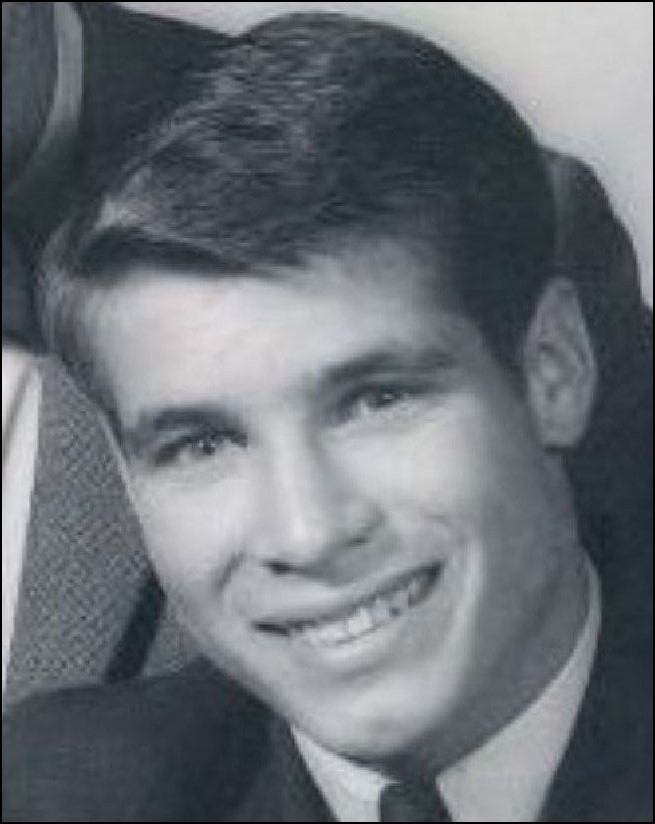
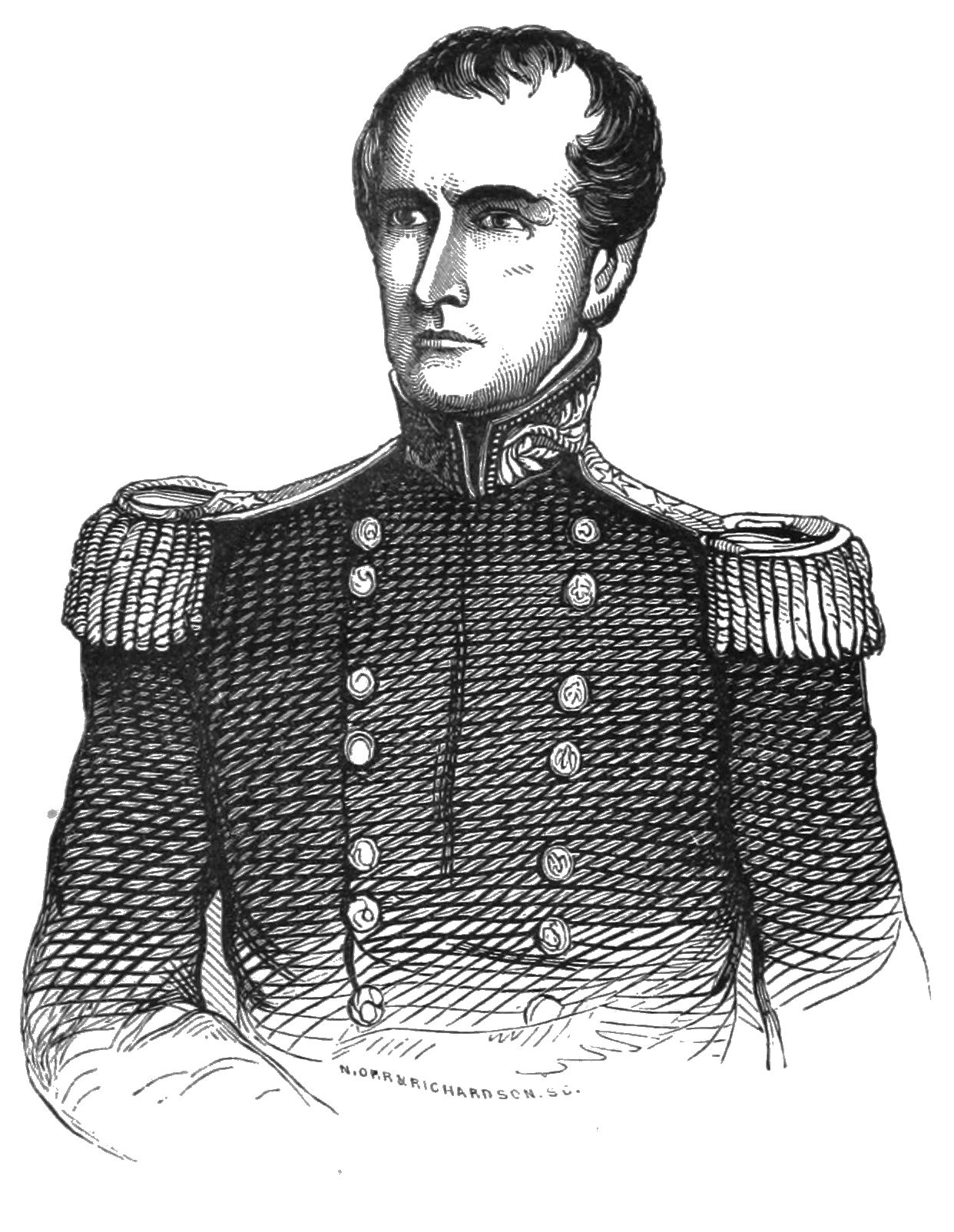


Questions people ask about Regular haircut
What is the difference between a one line and two line haircut?
A two line haircut outlines the ears and neck separately, tapering the nape to the skin. A one line haircut, or block cut, shaves the nape outline to create an immediate transition, connecting the sideburn outlines across the neck in a squared or rounded pattern.
How do sideburns affect face shape appearance?
Longer sideburns can make a face appear shorter, while shorter sideburns can lengthen the appearance of the face. This allows barbers to normalise the look of faces that are shorter or longer than average, particularly those with distinct chin or lower face lengths.
What tools are used for the topping section?
Topping primarily uses shears over finger techniques, where hair is lifted with a comb and cut between fingers. Shears over comb methods like up and over or shear lifting are also used. Thinning shears or razors may blend thickness, and clipper guards control length.
Good reading and sources
- A Haircut Returns From the 1930s (Published 2011)The New York Times, Article
- Steven Gerrard's Liverpool career in stickersBBC, Article
- Regular haircut on WikipediaEncyclopedia
- More photos on Wikimedia CommonsPhotos
- Wikidata recordOpen data
The facts on this page come from the Wikipedia article "Regular haircut", written by its contributors and used under the CC BY-SA 4.0 licence, and from its Wikidata record (CC0). EveryHairstyle rewrote the text in its own words, with AI assistance, and compares every page with the article to make sure no passage is copied. It may be reused under the same CC BY-SA 4.0 licence with a link back.
It may contain mistakes, and figures change over time. Nothing here is investment or buying advice. If something is wrong, tell us. Last refreshed 2026-11-15.
Like Regular haircut
All cuts WorldFlattop
Short sides with a flat, upright top.Cut · Any hair
 🇺🇸 United StatesIvy League haircut
A side-parted crew cut with graduated top length.Cut · Any hair
 WorldBrush cut
A very short, uniform haircut following the head shape.Cut · Any hair
 🇷🇸 Serbia and 4 moreBuzz cut
A very short, uniform haircut made with clippers.Cut · Any hair · 1890