
Devilock
A punk style featuring short sides and a long front section combed forward.
Created by a punk bassist in the late seventies, this look features short back and sides with a long front section swept forward. It later gained mainstream popularity across Asia during the nineties, moving beyond its punk roots into retail and music events.
- Created by a punk bassist in the late seventies.
- Features short sides and a long front combed forward.
- Gained mainstream popularity in Asia during the nineties.
- Inspired by 1970s skateboarding and 1950s surf rock looks.
What it is
This punk rock look features a stark contrast in length. The hair at the back and along the sides is clipped close to the head. Meanwhile, the front section is left much longer. Wearers comb this forward fringe over their face. The style requires enough length at the front to drape down, while the shorter sides keep the overall silhouette neat. It is primarily worn by men in alternative music scenes, though it eventually crossed over into everyday fashion in certain regions.
Where it comes from
The look emerged in the late seventies within the American punk scene. Bassist Jerry Only is credited with creating it, drawing inspiration from a tidal wave look popular with skateboarders. Bandmate Glenn Danzig based his own take on a classic television monster. Similar long-front quiffs appeared decades earlier in the fifties and sixties among surf rock musicians. During the late nineties, the style found new life in Asian markets. It transitioned from underground punk clubs to mainstream youth culture, heavily promoted by rock bands in Japan and China.
What it means
Originally, this hairstyle served as a bold marker of punk rock identity and rebellion. Its striking, asymmetrical shape helped musicians stand out on stage and reject conventional grooming norms. As it spread to East Asia in the nineties, its meaning shifted from underground protest to mainstream youth fashion. The look became so culturally prominent that the name was adopted by retail clothing brands and used to market music events, turning a subcultural symbol into a commercial lifestyle brand.
How it is made
Achieving this look requires cutting the hair into two distinct lengths. A stylist trims the back and sides very short, often using clippers. The hair on top, particularly at the front, is left to grow much longer. To style it, the wearer applies product to the long front section and combs it straight forward over the forehead. The shorter sides require regular trimming to maintain the sharp contrast, while the long front needs occasional washing and styling to keep it lying flat.
Who and what it suits
The provided material does not specify which face shapes or hair textures suit this look best. It simply notes that the front section must be kept long enough to comb forward, while the sides and back remain short.
Versions
Several earlier styles share a similar silhouette. The elephant trunk look from the fifties featured a comparable long front section. Surf rock groups in the sixties also sported devilock-like quiffs. Additionally, the creator noted that a tidal wave look popular among skateboarders served as a direct inspiration, while another band member based his version on a classic television monster's hair.
In culture
This hairstyle is deeply tied to punk rock music and skateboarding culture. It helped define the visual identity of influential horror punk bands in the late twentieth century. Decades later, its cultural footprint expanded into Asian pop culture and retail. A clothing entrepreneur adopted the name for a chain of stores, and the brand now sponsors regional music festivals, cementing its place in contemporary youth entertainment.


Questions people ask about Devilock
Who created the devilock hairstyle?
Misfits bassist Jerry Only created the look in the late 1970s. He based it on a tidal wave style popular with skateboarders, while his bandmate Glenn Danzig based his version on Eddie Munster.
How is the devilock styled?
The hair at the back and sides is kept very short. The front section is left long and combed straight forward over the face to create a distinct fringe.
Did the devilock become popular outside of punk rock?
Yes, it experienced a major resurgence in the late 1990s across Asian markets. It moved from punk rock into mainstream culture, inspiring retail clothing brands and music events in Southeast Asia.
Good reading and sources
The facts on this page come from the Wikipedia article "Devilock", written by its contributors and used under the CC BY-SA 4.0 licence, and from its Wikidata record (CC0). EveryHairstyle rewrote the text in its own words, with AI assistance, and compares every page with the article to make sure no passage is copied. It may be reused under the same CC BY-SA 4.0 licence with a link back.
It may contain mistakes, and figures change over time. Nothing here is investment or buying advice. If something is wrong, tell us. Last refreshed 2026-11-15.
Like Devilock
All cuts 🇻🇳 VietnamCurtained hair
A parted fringe with short sides and back.Cut · Any hair · 1980
🇨🇳 China and 3 moreRattail
A long strip of hair at the napeCut · Any hair · 1980
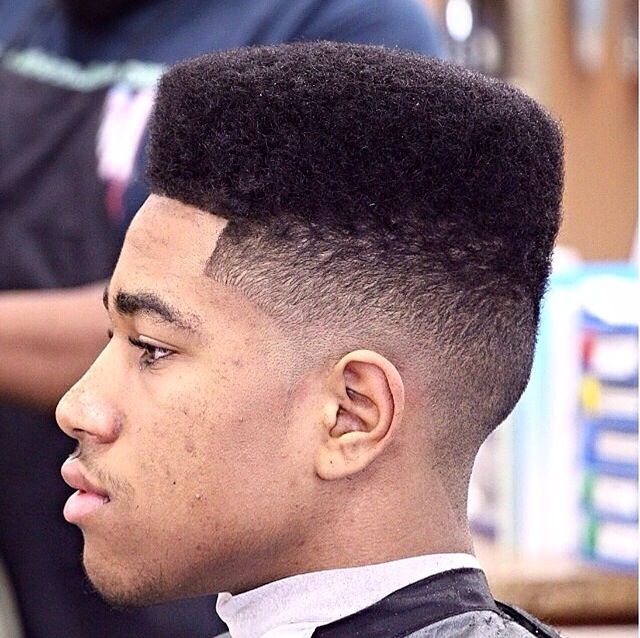 🇺🇸 United StatesHi-top fade
Tall flat top with shaved sides from hip hop cultureCut · Coily and kinky hair · 1984
WorldFrosted tips
Short spiky hair with bleached ends.Cut · Any hair · 1998